Skip to content
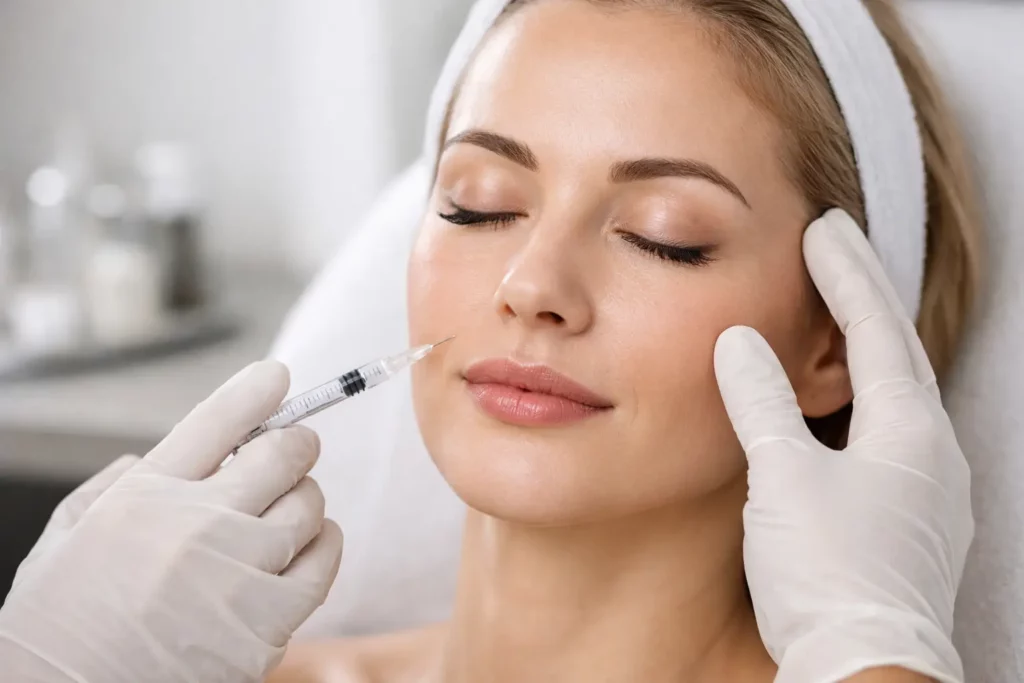
A little pinkness right after injections is expected. A dark bruise that lingers for days is what most patients want to avoid. If you are planning filler, neurotoxin, or another facial injectable, knowing how to prevent bruising after injectables can make your treatment experience feel smoother, more predictable, and easier to fit into real life.
Table of Contents
ToggleBruising is not always a sign that something went wrong. It is usually a simple response to a tiny blood vessel being nicked during treatment. The face is highly vascular, and some areas are more prone to bruising than others. Lips, under-eyes, and around the nose tend to bruise more easily than areas like the forehead.
What matters most is that bruising risk can often be reduced with the right plan. That starts before your appointment, continues with careful injection technique, and depends on how you treat the area afterward.
Why bruising happens after injectables
Any injectable treatment involves a needle or cannula passing through tissue. Even with expert placement, small capillaries can be disrupted. When that happens, blood leaks under the skin and creates a bruise.
Some people bruise more easily than others. If you have naturally delicate vessels, fair or thin skin, a history of easy bruising, or are being treated in a high-movement area like the lips, your chances are higher. Timing matters too. If you come in right after an intense workout, during allergy flare-ups, or after taking certain supplements or medications, bruising can become more likely.
This is one reason personalized treatment planning matters. A medically trained injector does not just focus on where the product goes. They also consider your anatomy, medical history, event timeline, and recovery goals.
How to prevent bruising after injectables before your appointment
The best bruise prevention starts several days before treatment. If your prescribing physician says it is safe, avoid blood-thinning medications and supplements that can increase bleeding risk. Common examples include aspirin, ibuprofen, fish oil, vitamin E, ginkgo biloba, garlic supplements, and certain herbal blends. This does not mean you should stop any medication on your own. If something has been prescribed for your health, always check with the doctor who manages that medication first.
Alcohol is another common factor. Drinking within 24 to 48 hours of your appointment can increase the chance of bruising because it temporarily dilates blood vessels. For patients who want the cleanest possible recovery, it is smart to skip wine night right before injectable day.
It also helps to avoid strenuous exercise the day of treatment before your visit. Elevated circulation can make bleeding and post-treatment swelling more noticeable. If you can, schedule your appointment on a day when you do not need to rush from a workout straight into the treatment chair.
If you have an important event coming up, give yourself a cushion. Even when everything is done correctly, some bruising is still possible. Planning injectables at least two weeks before a wedding, photos, or travel is often the safer move.
The injector’s technique matters more than most people realize
If you are serious about preventing bruising after injectables, provider selection is one of the biggest factors you can control. Advanced training, deep knowledge of facial anatomy, and a conservative, precise approach all matter.
A skilled injector assesses where major vessels are likely to be, chooses the right product for the area, and uses the most appropriate technique for your anatomy. In some cases, a cannula may reduce trauma compared with a needle, though it depends on the treatment area and clinical goal. Slower placement, gentle handling of the tissue, and thoughtful pressure after injection can also help limit bruising.
This is where the difference between a transactional appointment and a one-on-one medical aesthetic plan becomes clear. The best results are not just about product choice. They are about judgment, customization, and an injector who knows when to adjust the plan for safety and recovery.
What to do right after treatment
The first 24 hours can influence how noticeable bruising becomes. Gentle icing can help, especially in the first several hours after treatment. Use a clean cold pack wrapped in a soft cloth and apply it in short intervals rather than pressing hard on the area.
Keep your hands off the treatment area unless your provider gives specific instructions to massage it. Extra pressure, rubbing, and unnecessary touching can irritate the tissue and increase inflammation.
Try to stay upright for several hours and avoid lying flat immediately after certain injectable treatments if your provider recommends that. It can also help to sleep with your head slightly elevated the first night, especially if swelling tends to show up easily on your face.
For the first day, skip heavy exercise, saunas, steam rooms, and anything else that raises your body temperature significantly. Heat increases circulation, which can make bruising and swelling more visible. A quiet evening is not glamorous, but it often pays off.
Simple aftercare habits that support faster recovery
Once a bruise has formed, the goal shifts from prevention to helping it resolve cleanly. Cold therapy is most useful early on. After that, some patients find that gentle warmth later in the recovery process helps circulation and fading, but timing matters. Too much heat too soon can make things worse.
Arnica is commonly used after injectables, though results vary from person to person. Some patients feel it helps reduce bruise visibility and tenderness. Others notice little difference. It can be a reasonable option when approved by your provider, but it should not replace proper treatment planning or aftercare.
Makeup can usually help camouflage small bruises, but only use it when your injector says it is safe to do so. Right after treatment, freshly injected skin may be more sensitive than usual.
Hydration, light movement, and good sleep also support recovery. These are not flashy tips, but they matter. Skin tends to recover better when your body is not run down.
Areas that bruise more easily
Not all injectables carry the same bruising risk. Lip filler is one of the most common culprits because the lips have a dense blood supply and move constantly. Under-eye filler can also bruise more easily because the skin is thin and the area is delicate. Nasolabial folds and marionette lines may bruise in some patients as well.
Neurotoxins such as Botox, Dysport, Xeomin, and Jeuveau can cause bruising too, but it is often smaller and less obvious than with filler. That said, there are no guarantees. Even a tiny injection point can leave a visible mark if a capillary is hit.
This is why realistic expectations matter. The goal is to reduce the chance and severity of bruising, not promise that it will never happen.
When bruising is normal and when to check in
Most bruising after injectables is mild and fades over several days to about two weeks, depending on the area and your body’s healing response. It may change color as it resolves, moving from purple or blue to green, yellow, or light brown.
What deserves a closer look is bruising paired with severe pain, unusual blanching, worsening discoloration, or skin changes that do not feel typical. Those symptoms are not the same as an ordinary bruise and should be reported to your provider promptly. A reputable medical aesthetics practice will tell you exactly what to watch for and how to reach the office if you have concerns.
The best strategy is a personalized one
There is no single trick that works for everyone. Some patients need medication review and timing adjustments. Others benefit most from choosing a lower-risk day on their calendar, avoiding alcohol, or treating a sensitive area more conservatively. For patients with a history of easy bruising, the treatment plan itself may need to be adapted.
At DermAlign Medical Aesthetics, that level of customization is part of the standard of care. When treatment is guided by advanced training, transparent education, and a clear understanding of your goals, even small details like bruise prevention are handled with intention.
If you want to prevent bruising after injectables, think beyond aftercare alone. Preparation, provider expertise, and thoughtful follow-through all work together. The most polished results often begin with the quiet choices no one sees – the right timing, the right injector, and the right plan for your face and your life.
A smoother recovery is never just luck. It is usually the result of careful hands and smart decisions made before the first injection ever happens.