
If you are asking, are PDO threads better than a facelift, the honest answer is no treatment is universally better – it depends on how much lifting you need, how long you want results to last, and how much downtime you are willing to accept. For some patients, threads are the smarter choice because they offer a visible refresh without surgery. For others, a facelift is the only option that can deliver the level of correction they want.
That distinction matters. Many people are not looking to look different. They want to look rested, firmer, and more like themselves, just less tired or less heavy through the cheeks, jawline, and neck. The right treatment starts with matching the procedure to the anatomy, not forcing every face into the same solution.
Are PDO Threads Better Than a Facelift for Everyone?
No, and that is actually good news. It means there are multiple ways to approach facial aging based on your goals, schedule, and comfort level.
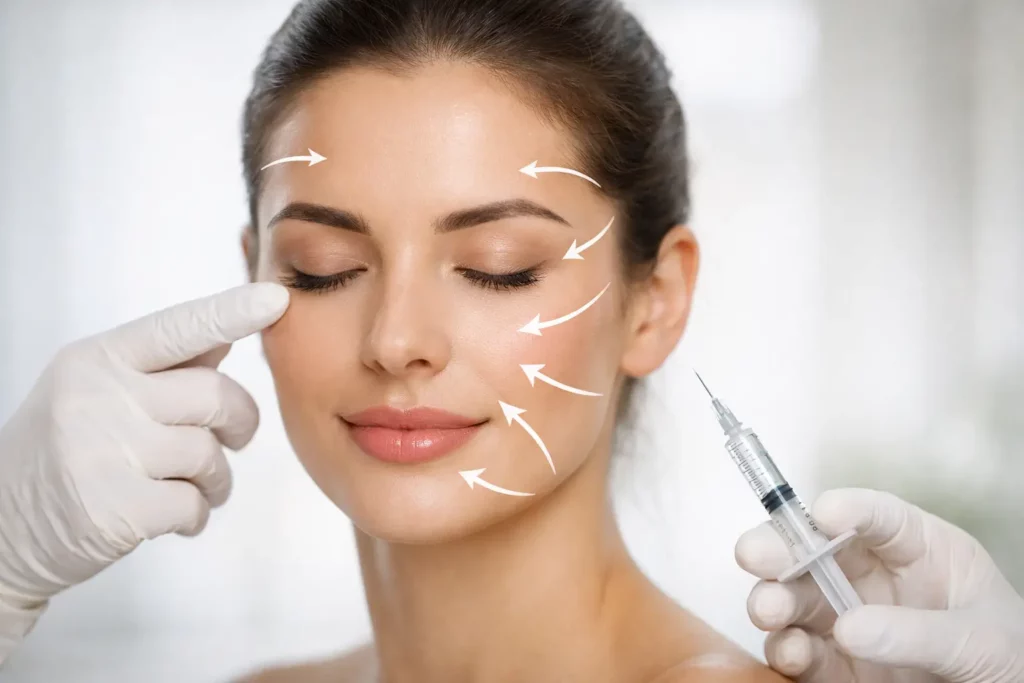
PDO threads are dissolvable sutures placed under the skin to create a subtle lifting effect while also stimulating collagen over time. A facelift is a surgical procedure that repositions deeper facial tissues and removes excess skin. One is minimally invasive. The other is much more comprehensive.
If you are in your late 30s to early 50s with mild to moderate skin laxity, early jowling, or a softening jawline, PDO threads may give you enough lift to feel refreshed without the commitment of surgery. If you have significant sagging, deeper folds, loose neck skin, or heavier tissue descent, a facelift will usually produce stronger and longer-lasting results.
The key is not asking which treatment is trendy. It is asking which treatment is appropriate.
What PDO Threads Do Well
PDO threads work best when the goal is refinement rather than dramatic correction. They can offer a gentle lift in areas like the cheeks, jawline, brows, and neck while supporting collagen production as the threads dissolve.
For many patients, the appeal is clear. Treatment is performed in-office, recovery is usually shorter than surgery, and the result can look natural when done with precision. Threads can be especially attractive for busy professionals, parents, or anyone who wants improvement without taking significant time away from work or social life.
There is also a middle-ground benefit here. Some people are not ready for surgery, either emotionally, financially, or practically. Threads can help bridge that gap. They may delay the need for a facelift or simply provide a meaningful refresh during the years when aging changes are present but not severe.
That said, PDO threads are not a substitute for surgery in every face. They are best thought of as a targeted, non-surgical lift for the right candidate.
Where threads tend to shine
Threads are often a strong option when skin quality is still fairly good, facial volume loss is mild to moderate, and the patient wants subtle but noticeable lifting. They can also pair well with other non-surgical treatments such as dermal fillers, biostimulators, neurotoxins, and medical-grade skincare for a more complete result.
This combination approach is often where non-surgical rejuvenation becomes especially effective. Laxity, volume loss, texture changes, and dynamic lines do not all come from the same cause, so they should not always be treated with a single tool.
When a Facelift Is the Better Choice
A facelift is the better option when the concern is advanced sagging, deeper structural descent, or excess skin that threads cannot realistically correct. Surgery addresses more than surface-level support. It allows for repositioning of deeper tissues and can create a more dramatic and durable outcome.
If someone says they want a sharper jawline, smoother lower face, and a meaningful neck improvement that lasts for years, a facelift often makes more sense. Threads can lift tissue, but they do not remove loose skin. They also cannot replicate the degree of correction surgery can achieve in patients with more advanced aging.
This is where unrealistic expectations can create disappointment. A patient who needs surgical correction but chooses threads hoping for facelift-level results may end up underwhelmed, even if the thread procedure itself was performed well.
A good provider should be comfortable saying when non-surgical treatment is not enough. That kind of honesty protects both your results and your trust.
Comparing Results, Downtime, and Cost
When patients compare threads and facelifts, they are usually weighing three things: result, recovery, and investment.
In terms of visible lift, a facelift wins. It is more powerful, more comprehensive, and longer lasting. Depending on the individual and surgical technique, facelift results can last many years. PDO thread results are shorter term, often around 12 to 18 months, with some variation based on the type of threads used, your tissue quality, and how your body responds.
Downtime is where threads usually have the advantage. Most patients can expect swelling, tenderness, possible bruising, and temporary tightness, but recovery is generally much easier than surgical healing. A facelift involves anesthesia, a more involved recovery period, and post-operative restrictions.
Cost is more nuanced than it seems. Threads are less expensive upfront, which makes them accessible to many patients who want meaningful improvement without the price of surgery. But because they are maintenance-based, repeat treatments may add up over time. A facelift costs more initially, but the longevity can make it feel more efficient for someone seeking a major correction that lasts.
So which is the better value? That depends on whether you want modest improvement with lower commitment or a larger transformation with a higher initial investment.
Are PDO Threads Better Than a Facelift for Natural-Looking Results?
They can be, if natural means subtle.
Many patients worry that surgery will look too obvious or that any lifting treatment will make them appear overdone. In reality, both threads and facelifts can look natural when the treatment plan is thoughtful and the provider is skilled. Both can also look unnatural when done aggressively or on the wrong candidate.
Threads often appeal to patients who want friends to notice they look refreshed but not know exactly why. Because the change is typically softer, it can fit beautifully into a natural-aging plan. Facelifts can also look elegant and understated, especially when they focus on restoring youthful contours rather than pulling the face tight.
The real difference is scale. Threads offer a lighter touch. A facelift offers a larger reset.
Who Is a Good Candidate for PDO Threads?
The best candidate is usually someone with mild to moderate laxity, decent skin elasticity, and realistic expectations. If you can gently lift your cheeks or jawline with your fingers and like that effect, threads may be worth discussing. If you are pulling the skin significantly to get the result you want, surgery may be the more realistic path.
Age matters less than anatomy. A healthy 58-year-old with moderate laxity and good skin support may still be a better thread candidate than a younger patient with heavier tissue descent. That is why personalized assessment matters so much.
At a consultation, a strong injector should look at facial proportions, skin thickness, volume loss, laxity, and movement patterns, not just the area you point to in the mirror. A customized plan may include threads, but it may also involve collagen-stimulating treatments, filler, skin tightening, or a surgical referral when appropriate.
The Best Choice Is the One That Fits Your Face
There is no prize for choosing the most aggressive treatment, and there is no benefit in forcing a non-surgical option to do a surgical job. The best results happen when the plan is honest, individualized, and grounded in what your face actually needs.
For patients who want subtle lift, less downtime, and a non-surgical approach, PDO threads can be an excellent option. For patients who want major correction and longer-lasting structural improvement, a facelift is often the stronger answer. Neither choice is better by default.
At DermAlign Medical Aesthetics, that is exactly how treatment decisions should be made – with education, transparency, and a plan tailored to your anatomy and goals. If you are weighing threads versus surgery, the most helpful next step is not guessing. It is getting a professional assessment that tells you what is possible, what is not, and what will help you look better while still looking like yourself.
A well-chosen treatment does more than lift the face. It gives you the confidence of knowing you made the right decision for where you are now.