Skip to content
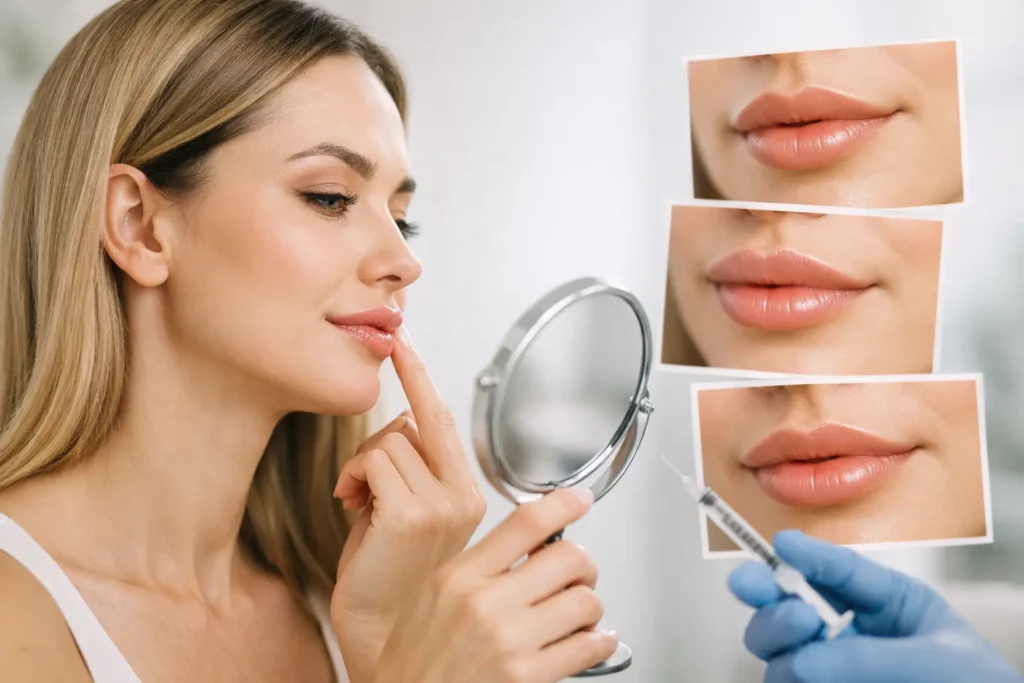
A lip flip can look beautifully subtle on the right person – and underwhelming or frustrating on the wrong one. That is why understanding how to choose a lip flip matters more than choosing a trend. If your goal is a slightly fuller upper lip, a softer gummy smile, or a more defined lip shape without adding filler, the best decision starts with knowing what this treatment can and cannot do.
Table of Contents
ToggleWhat a lip flip actually does
A lip flip uses a small amount of neurotoxin, such as Botox or a similar product, placed around the upper lip. The goal is not to add volume. Instead, it relaxes the muscles just enough for the upper lip to roll outward slightly, which can make more of the pink part of the lip visible.
That distinction is where many people get stuck. If you want a dramatically fuller lip, a lip flip alone will usually feel too subtle. If you like your natural lip shape and just want a touch more upper lip show when your face is at rest or when you smile, it can be a very elegant treatment.
For many patients, the appeal is simple: refined enhancement without heaviness, puffiness, or the look of added product. But subtle results only feel satisfying when subtle is what you actually want.
How to choose a lip flip based on your goals
The easiest way to figure out how to choose a lip flip is to start with your mirror, not social media. Look at what specifically bothers you. Is your upper lip disappearing when you smile? Do you feel like your lip line turns inward? Are you hoping for more definition without changing your overall facial balance?
A lip flip tends to work best for people who want a small improvement, not a full transformation. It may be a good fit if your upper lip looks tucked under, if you want to soften the appearance of a gummy smile, or if you are lip filler-curious but not ready to commit to added volume.
It may be the wrong fit if your main concern is that your lips are thin overall, uneven in volume, or lacking structure. In those cases, filler may be more appropriate, or sometimes a combination approach delivers the best result. This is where treatment planning matters. The right choice is not about what is popular. It is about matching the treatment to your anatomy and your expectations.
Signs you may be a good candidate
You may be a strong candidate if you already have some upper lip tissue but it hides when you smile. Patients with a mild to moderate gummy smile often like the effect because relaxing the upper lip muscles can reduce how much gum shows. You may also appreciate a lip flip if you want a lower-commitment option, since results are temporary and generally wear off sooner than many other injectable treatments.
That said, your day-to-day habits matter too. If you use a straw constantly, play a wind instrument, or rely heavily on precise lip movement for your profession, even a small muscle adjustment may feel more noticeable to you than it does to someone else.
Signs you may want a different treatment
If you are looking for added projection, stronger border definition, correction of asymmetry, or a noticeably plumper look, a lip flip may leave you disappointed. It does not build shape the way filler can. It also does not correct volume loss from aging in the same way that a carefully placed hyaluronic acid filler can.
There is also a practical trade-off. Some patients love the subtle effect but do not love the temporary changes in drinking from a straw, pronouncing certain words, or controlling the upper lip for a few weeks. Those effects are usually mild, but they are real enough that they should be part of your decision.
Lip flip vs lip filler
This is one of the most important comparisons when deciding how to choose a lip flip. A lip flip changes muscle movement. Lip filler changes volume and shape.
If your upper lip curls under when you smile, a flip may help reveal more of it. If your lips are naturally thin or have lost fullness over time, filler is often the more direct option. Some patients benefit from both – a conservative filler treatment for structure and volume, plus a lip flip for upper lip show and smile refinement.
Neither treatment is automatically better. The better treatment is the one that matches your anatomy, comfort level, and desired outcome. Patients who ask for “just enough” often do best when the plan is conservative and customized rather than copied from someone else’s before-and-after photo.
Why injector skill matters so much
A lip flip is a small treatment, but it is not a casual one. Placement, dosing, and product choice all affect the outcome. Too little may do almost nothing. Too much, or toxin placed too broadly, can affect lip function more than you expected.
This is why your injector should assess your smile in motion, not just your lips at rest. The upper lip is dynamic. It moves when you talk, smile, drink, and eat. An experienced medical injector pays attention to that movement pattern, your dental show, your natural lip proportions, and whether your goals are realistic for toxin alone.
A consultation should feel educational, not rushed. You should understand what product is being used, how many units may be recommended, how long the effect may take to appear, and what the limitations are. Transparent pricing and honest guidance matter here because the best providers are not trying to force every patient into the same treatment menu.
Questions to ask before booking
The most useful consultation questions are often simple. Ask whether your goals are best treated with a lip flip, filler, or both. Ask how subtle the result will be on your specific anatomy. Ask what side effects are common, how long results typically last, and what changes in lip movement you may notice.
It is also fair to ask how often the injector performs lip flips and what their approach is when a patient wants natural-looking enhancement. A polished result usually comes from restraint, precision, and a willingness to say no when a treatment is not the right fit.
If the consultation feels vague or overly sales-driven, pay attention to that. In aesthetic medicine, trust is part of the treatment.
What to expect after treatment
A lip flip is quick, but the results are not instant. Most patients begin to notice changes within several days, with fuller effect appearing around the two-week mark. The result is usually modest, which can be a positive if you want something refined and low-key.
You may notice that your upper lip sits a little differently when smiling or speaking. Some patients also notice minor adjustments in drinking from a bottle or using a straw. Those effects are typically temporary, but they should still be part of an informed decision.
Longevity varies, but a lip flip often wears off sooner than treatment in larger facial muscles. If you love the result, maintenance may be part of your long-term plan. That is worth factoring into both your budget and your expectations.
A personalized approach gets the best result
There is no single answer to how to choose a lip flip because the right decision depends on your facial anatomy, your comfort with temporary muscle changes, and how much enhancement you want to see. For some patients, it is the perfect finishing touch. For others, filler or a combined approach makes more sense.
At DermAlign Medical Aesthetics, that decision should never feel like guesswork. The most satisfying aesthetic results happen when treatment is individualized, medically guided, and built around your features rather than a passing trend.
If you are considering a lip flip, think less about whether it is popular and more about whether it is precise for you. The best cosmetic treatment is the one that still looks like you – just more balanced, refreshed, and confident.