You usually notice it somewhere between week two and month three – your lips still look beautifully refreshed, but you start wondering how long do lip fillers last and when that just-right fullness might begin to fade. It is a smart question, and the honest answer is not the same for everyone.
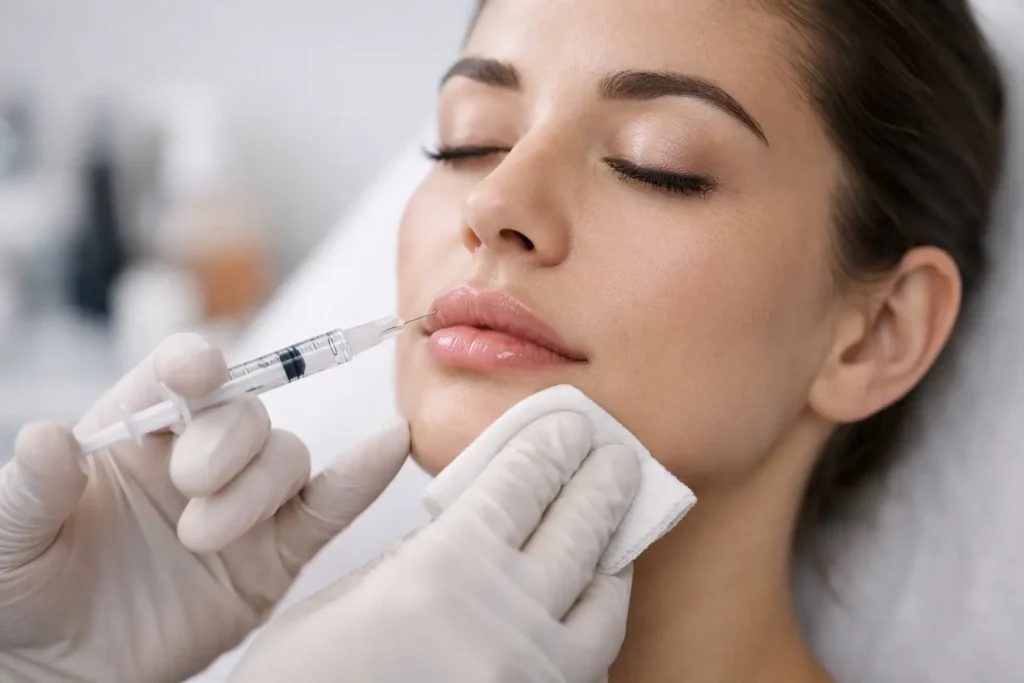
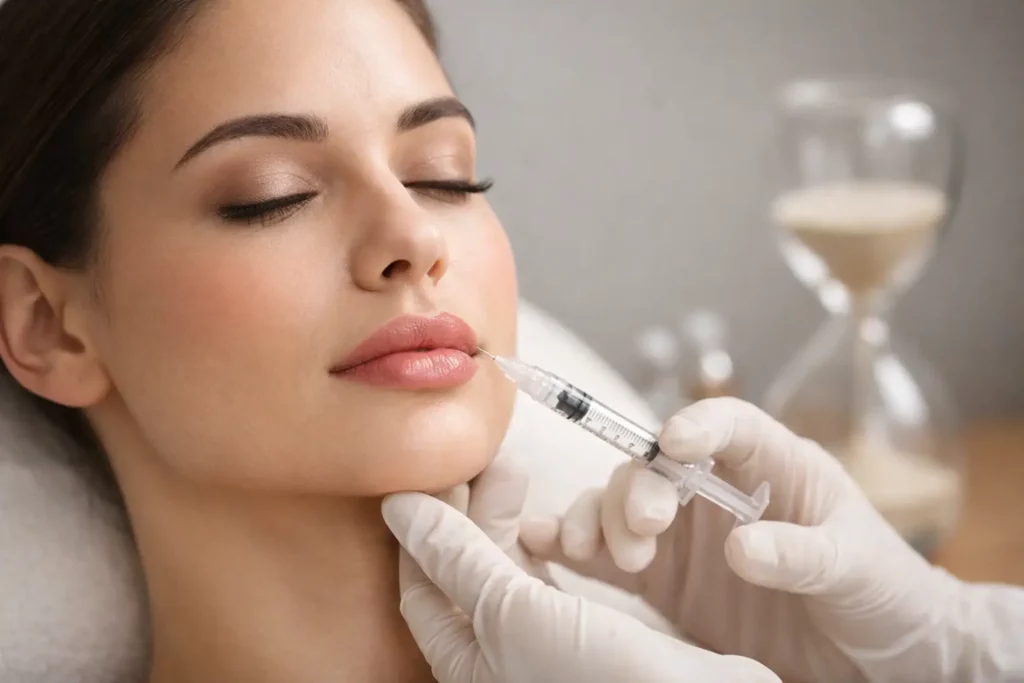
Most lip fillers last about 6 to 12 months. Some patients metabolize filler more quickly and notice a visible change closer to the 6-month mark. Others keep a nice result for closer to a year, especially when the product, technique, and maintenance plan are well matched to their anatomy and goals.
The reason this question matters is simple. Lip filler is not a one-time decision. It is a treatment that works best when it is planned thoughtfully, with realistic expectations, proper placement, and a long-term approach that protects both your appearance and your lip tissue.
How long do lip fillers last in real life?
In clinical practice, most lip filler results fall into a range rather than a fixed expiration date. For many patients, the initial fullness softens gradually over time instead of disappearing all at once. You may still have some filler present months later, even if your lips do not look as plump as they did right after treatment.
Hyaluronic acid fillers are the most common choice for lips because they feel soft, integrate well into the tissue, and can be adjusted with precision. They also tend to fade in a predictable way. That said, longevity depends on what was used, how much was placed, and how your body processes it.
If you are looking for a subtle, hydrated look, your treatment plan may involve less filler and a softer finish. That can be beautiful and natural, but it may also mean you notice fading earlier than someone who started with more structure or volume. More product does not always mean better results, but it can affect how long a visible result lasts.
What affects how long lip fillers last?
Your metabolism plays a major role. Lips are highly mobile, and that constant movement from talking, smiling, eating, and drinking can contribute to faster breakdown compared with filler placed in areas that move less. Some people simply metabolize hyaluronic acid more quickly than others.
The product itself also matters. Different fillers have different textures, densities, and intended uses. A filler designed for soft flexibility in the lips may not last as long as a firmer filler used in the cheeks or jawline. For lips, longevity has to be balanced with feel and appearance. A product that lasts longer is not automatically the best choice if it compromises softness or natural movement.
Injection technique matters more than many patients realize. Precise placement by a trained medical injector helps filler integrate more evenly and look balanced as it settles. Poor placement can lead to uneven fading, migration, or a look that feels overdone. This is one reason consultation and injector experience matter just as much as the syringe itself.
Your starting anatomy matters too. Naturally thin lips, asymmetry, prior filler, scar tissue, and age-related volume loss can all influence both the result and how long it appears to last. A personalized plan tends to outperform a one-size-fits-all approach every time.
The first two weeks are not your final result
One of the biggest mistakes patients make is judging longevity too early. Right after treatment, swelling can make lips look fuller than the final outcome. Over the first several days, that swelling starts to settle. By around two weeks, you usually have a much clearer idea of your true result.
This is why experienced injectors often recommend waiting before deciding whether you need more filler. What looks perfect on day one may feel too full once swelling peaks, and what looks smaller after the swelling drops may actually be your ideal long-term shape. Patience in those early days leads to better decisions.
If you are asking how long do lip fillers last because your lips look smaller a few days after treatment, that does not necessarily mean the filler has already worn off. It usually means the post-treatment swelling has resolved.
Signs your lip filler is starting to fade
Lip filler tends to wear off gradually. Most patients first notice a soft decrease in volume, less border definition, or a return of fine lines around the mouth. The lips may still look good, just less enhanced.
That fading can be subtle. In fact, many patients only realize how much they enjoyed their result once it starts to diminish. Photos can help. Comparing your lips at two weeks, three months, and six months often gives a much more accurate picture than relying on memory alone.
A touch-up does not have to mean starting over. Sometimes a small maintenance appointment is enough to refresh shape and hydration before the filler fully dissipates. This often creates a more natural, consistent look than waiting until everything is gone and then rebuilding from scratch.
Can you make lip fillers last longer?
There is no safe trick that permanently extends filler, but thoughtful maintenance can help your results stay looking better for longer. The most effective strategy is choosing the right amount of filler from the beginning and avoiding the urge to overcorrect too quickly.
Good injector technique, realistic goals, and appropriate follow-up matter more than internet hacks. Staying hydrated and maintaining healthy skin may support overall lip appearance, but they do not stop filler from metabolizing. Likewise, expensive gadgets and aggressive massage are not reliable ways to preserve results.
What does help is consistency. Patients who return at appropriate intervals for reassessment often maintain a smoother, more balanced result over time. That does not always mean more product. Sometimes it means waiting. Sometimes it means a small touch-up. Sometimes it means dissolving poorly placed filler and starting fresh with a better plan.
When should you schedule a touch-up?
A touch-up timeline depends on your goals. If you prefer a softly enhanced, understated look, you may be happy coming in once or twice a year. If you like a fuller look or you metabolize filler quickly, you may want maintenance closer to every 6 to 9 months.
The best timing is based on what your lips look like, not just the calendar. An experienced provider will assess whether you actually need more filler, whether the existing product is still supporting the tissue well, and whether your current shape remains balanced with the rest of your face.
This is where one-on-one planning makes a difference. At DermAlign Medical Aesthetics, the goal is not to keep adding volume at every visit. It is to protect a natural-looking result and help patients make informed choices about timing, product selection, and long-term maintenance.
Why some lip filler lasts less than expected
Sometimes the issue is not true longevity. It is mismatch. A patient may expect dramatic fullness from a conservative treatment, or may compare a healed result to the swollen immediate post-treatment look. In other cases, the product chosen may prioritize softness over duration, which can still be the right clinical choice.
There are also situations where filler should not simply be added again and again. If the lips feel firm, look puffy above the border, or seem uneven, more product may not be the answer. Assessment comes first. Safe, beautiful results depend on knowing when to enhance, when to pause, and when to correct.
The best question is not just how long do lip fillers last
A better question is whether your lip filler will age well on your face. Lasting longer is only useful if the result stays balanced, soft, and appropriate for your features. The most successful lip treatments are not the ones that chase maximum volume. They are the ones that respect anatomy, movement, and proportion.
For some patients, that means a subtle hydration-focused enhancement that needs earlier maintenance. For others, it means building shape gradually over time. Both can be excellent outcomes when the treatment plan is customized and medically guided.
If you are considering lip filler, the right consultation should leave you with more than a timeline. You should understand what product is being used, why it is being recommended, what your lips can realistically support, and what maintenance may look like over the next year. That kind of clarity tends to lead to better results and a much better experience.
The best lip filler result is not the one that lasts forever. It is the one that still looks like you, just more refreshed, confident, and in balance with the rest of your features.