Tired eyes can make you look older, stressed, or rundown even when you feel perfectly fine. If you have been searching for How to Get Rid of Bags under Your Eyes, the first step is understanding that not all under-eye bags are the same – and the right solution depends on what is causing them.
For some people, under-eye bags are mostly fluid retention. For others, they are caused by volume loss, skin laxity, fat pad prominence, allergies, or a combination of aging and genetics. That is why quick fixes do not work for everyone, and why a personalized treatment plan usually delivers the best-looking, most natural result.
What causes bags under your eyes?
Under-eye bags often develop as the tissues around the eyes weaken over time. The skin becomes thinner, the supporting structures loosen, and fat that once sat higher in the face can begin to shift forward. This creates puffiness, shadowing, and a heavier look under the eyes.
Lifestyle factors can make the problem more noticeable. Poor sleep, high sodium intake, dehydration, seasonal allergies, and alcohol can all increase swelling. In other cases, what looks like puffiness is actually volume loss in the tear trough area, which creates a hollow that casts a shadow and makes the eye area look tired.
This distinction matters. If the issue is fluid, cooling and lifestyle changes may help. If the issue is hollowness or age-related structural change, topical products alone are unlikely to create a meaningful improvement.
How to get rid of bags under your eyes at home
At-home care can help when under-eye bags are mild or temporary. A cold compress in the morning may reduce puffiness by constricting blood vessels and calming swelling. Sleeping with your head slightly elevated can also help limit fluid pooling overnight.
Skincare plays a supporting role, but expectations should stay realistic. A quality eye product with caffeine may temporarily reduce puffiness, while ingredients like hyaluronic acid can improve hydration and make the area look smoother. Daily SPF matters too, because sun exposure accelerates collagen loss and thinning skin around the eyes.
You may also notice improvement by addressing common triggers. Better sleep consistency, less salt late in the day, staying hydrated, and managing allergies can all make a visible difference. Still, these strategies help most when puffiness fluctuates. They do less for bags caused by genetics, fat displacement, or significant volume loss.
When skincare is not enough
If you have tried eye creams, ice rollers, and better sleep habits but still look tired, the issue may be deeper than the surface of the skin. This is where a medical aesthetic evaluation becomes valuable.
A clinically trained provider can determine whether your under-eye concern is true puffiness, a hollow tear trough, crepey skin, or a combination of multiple factors. That matters because treating the wrong problem can leave the area looking unchanged or, in some cases, worse. Under the eyes, precision is everything.
Professional treatments for under-eye bags
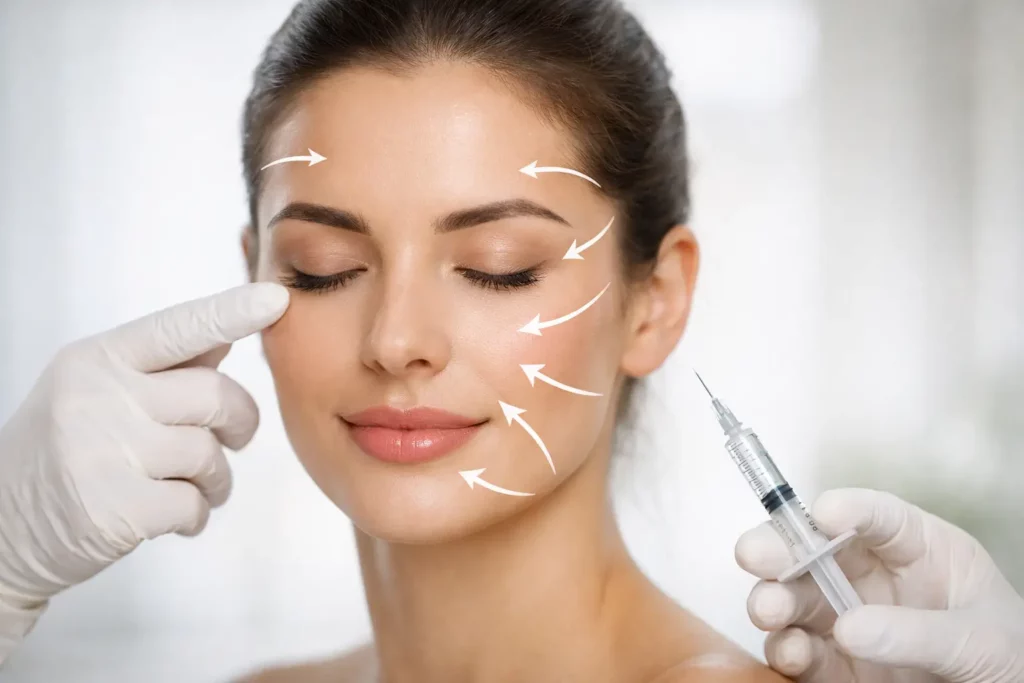
For patients with hollowness or shadowing, dermal filler may be appropriate in carefully selected cases. When performed with advanced technique and a conservative approach, filler can restore lost support and soften the tired appearance under the eyes. This treatment is not right for everyone, especially if swelling is already a major issue, which is why consultation and facial assessment are essential.
If the skin under the eyes looks thin, crepey, or lax, collagen-stimulating treatments may be a better fit. Microneedling and PRP-based rejuvenation can help improve skin quality over time by supporting texture and firmness. Results are more gradual, but they can be very effective for patients who want a refreshed look without surgery.
In some cases, the appearance of under-eye bags is made worse by cheek volume loss. Restoring support in the midface can improve the transition between the lower eyelid and cheek, creating a smoother, more rested appearance. This approach often looks more natural than focusing only on the under-eye itself.
Choosing the right treatment plan
The best answer to How to Get Rid of Bags under Your Eyes is rarely a one-size-fits-all product or trending treatment. The eye area is delicate, and the most effective results usually come from matching the treatment to your anatomy, skin quality, and goals.
A thoughtful plan should consider your age, facial structure, degree of puffiness, skin laxity, and whether you want improvement that is subtle, immediate, gradual, or long-lasting. It should also include honest guidance about what non-surgical treatment can improve and when a surgical referral may be more appropriate.
At DermAlign Medical Aesthetics, that level of customization matters. Patients want to look better and feel better, but they also want transparency, safety, and results that still look like them.
What to avoid
Be cautious with overcorrecting the under-eye area. Too much filler, aggressive treatment, or chasing a dramatic change can create an unnatural look. The goal is not to erase every line or contour. It is to restore a brighter, smoother, more rested appearance in a way that fits your face.
You should also avoid assuming every under-eye concern is cosmetic. Persistent swelling, sudden asymmetry, or changes that appear quickly deserve medical attention to rule out allergy, sinus, thyroid, or other health-related causes.
If your under-eye bags are starting to affect how you see yourself in photos, meetings, or the mirror, the right next step is not guessing – it is getting a personalized assessment that identifies what is actually causing the problem and what will truly help.