 Skip to content
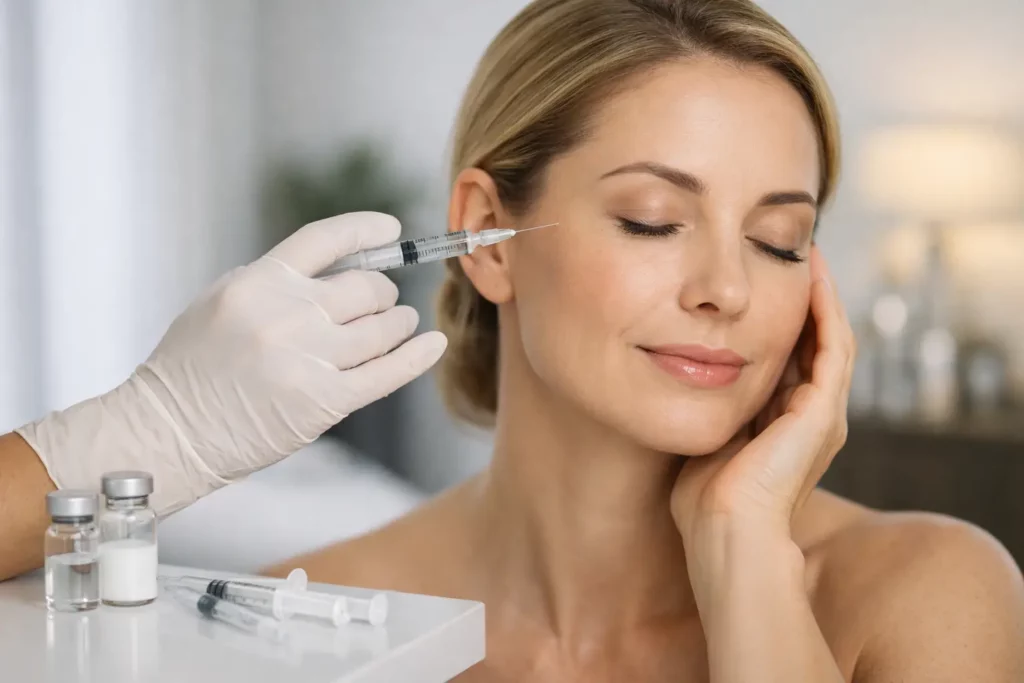
A smoother forehead is not the same goal as a more defined jawline, and better skin quality is not the same as restoring lost facial volume. That is why learning how to choose injectable treatments starts with one simple shift – stop thinking in product names and start thinking in outcomes.
Table of Contents
ToggleMany patients come in asking for Botox or filler because those are the terms they know. But the best treatment plan is rarely built around a trend, a friend’s recommendation, or a single before-and-after photo. It is built around your facial anatomy, your concerns, your tolerance for downtime, and the kind of result you actually want to live with every day.
How to choose injectable treatments based on your real goal
The first question is not which injectable is best. The first question is what you want to improve.
If your concern is movement-related lines, such as crow’s feet, forehead lines, or the vertical lines between the brows, neurotoxins are often the most appropriate place to start. These treatments work by relaxing targeted muscles, which softens expression lines and can help prevent them from becoming more etched over time. Options in this category may include Botox, Dysport, Jeuveau, or Xeomin. For many patients, the differences between them matter less than proper dosing, placement, and injector skill.
If your concern is volume loss, hollowing, or contour, filler may make more sense. Dermal fillers can be used to support the cheeks, soften nasolabial folds, refine the lips, improve under-eye hollowing in the right candidate, and create more structure along the chin or jawline. But filler is not the answer to every aging concern. If the issue is skin laxity or poor skin quality, adding volume without a clear strategy can make the face look heavier rather than fresher.
If your concern is collagen loss, crepey texture, or overall skin quality, biostimulatory or regenerative treatments may be more appropriate. Sculptra, Skinvive, microneedling with PRP, or other collagen-focused options can improve the look of skin over time rather than simply filling space. These treatments tend to be better for patients who want gradual, natural-looking improvement and are willing to be patient.
If your concern is fullness under the chin or localized stubborn fat, a treatment such as Kybella or another injectable fat-reduction option may be discussed. That is a different category entirely from wrinkle relaxers or filler, and it works on a different timeline.
Not every injectable is right for every face
One of the biggest mistakes people make when choosing injectable treatments is assuming that a popular treatment will translate well to their own features. It may not.
A younger patient with strong bone structure and early expression lines may benefit from a light touch with neurotoxin and excellent skincare. A midlife patient with temple hollowing, cheek deflation, lower-face heaviness, and texture changes may need a more layered plan that combines different types of injectables over time. Someone else may not be a filler candidate at all if their main issue is skin laxity that would respond better to collagen stimulation or threads.
This is where anatomy matters. Your face is not a flat surface. It is a balance of movement, support, proportions, and tissue quality. Good injectables respect that balance. They do not chase every line. They create harmony.
That is also why a consultation should feel personalized, not scripted. If someone recommends the same syringe count or the same treatment menu to every patient, that is a red flag.
How to evaluate your provider before you choose a treatment
If you are wondering how to choose injectable treatments, the provider matters just as much as the product. A great injector does more than perform injections. They assess anatomy, explain options clearly, discuss what not to do, and build a plan that fits your comfort level.
Look for a medical provider with advanced training in facial aesthetics, a strong understanding of facial anatomy, and a conservative eye. You want someone who can explain why one treatment is a better fit than another, not just someone who can list what is on the menu.
Ask how they approach natural-looking outcomes. Ask what happens if you do not love a result. Ask how they handle complications, bruising, swelling, asymmetry, or migration. Ask whether they recommend treatment in stages. Thoughtful injectors often do.
Transparent pricing matters too. A reputable practice should be able to explain how treatments are priced, what maintenance may look like, and whether your goals are realistic within your budget. Good aesthetic medicine is never about pressure. It is about clarity.
Understand the trade-offs before saying yes
Every injectable category comes with benefits and trade-offs. That does not mean you should feel nervous. It means you should feel informed.
Neurotoxins are effective and widely loved, but results are temporary and require maintenance. Filler can create beautiful structure and softness, but it should be placed carefully and selectively. Biostimulatory treatments can look incredibly natural, but they are not instant. Fat-dissolving treatments may help a stubborn area, but they usually require multiple sessions and patience.
There is also the question of downtime. Some patients want a lunch-break appointment and a quick return to normal life. Others are comfortable with swelling or bruising if it means working toward a bigger change. There is no right answer. The right choice depends on your schedule, your goals, and your preferences.
Budget is another practical piece of the decision. The least expensive option is not always the most cost-effective if it does not address the problem well. At the same time, more treatment is not always better treatment. A responsible plan should prioritize what will make the biggest difference first.
What natural-looking results actually require
Most patients say they want to look refreshed, not overdone. That sounds simple, but natural-looking results require restraint, precision, and a long view.
Sometimes the best treatment plan starts with less. A few units of neurotoxin, subtle lip balancing instead of dramatic volume, or gradual collagen stimulation rather than immediate correction can produce a more elegant result. The most flattering work often does not announce itself.
Natural results also depend on treating the right issue. If smile lines are caused partly by cheek volume loss, treating the cheeks may be more effective than placing product directly into the fold. If tired eyes are caused by brow position and skin quality rather than just hollowness, under-eye filler may not be the best first step. Good planning prevents that cycle of chasing symptoms instead of solving the source.
At DermAlign Medical Aesthetics, this kind of one-on-one planning is what helps patients feel confident moving forward. The goal is not to sell a syringe. It is to build a treatment strategy that looks refined, feels appropriate, and supports long-term results.
Questions to ask at your consultation
A strong consultation should leave you feeling educated, not rushed. Ask what treatment is being recommended and why. Ask what alternatives were considered. Ask how long results typically last, what side effects to expect, and how often maintenance is needed.
You should also ask what result is realistic for your face right now. Sometimes patients need to hear that one treatment will help, but not completely fix, a concern. Honest expectations are part of good care.
If you are new to injectables, it is reasonable to start conservatively. You can always add more in many cases. Undoing overcorrection is a different conversation.
Choosing treatments for where you are now
The best injectable plan at 29 may be completely different from the best plan at 49 or 69. Prevention, correction, maintenance, and rejuvenation are not the same thing.
In your late 20s and 30s, treatment may focus on early expression lines, subtle lip enhancement, skin quality, or prevention. In your 40s and 50s, concerns often shift toward volume loss, contour changes, skin texture, and lower-face aging. Later on, the goal may be restoring support while keeping the face soft, balanced, and believable.
That is why choosing injectable treatments should never be about copying someone else’s plan. It should reflect where your face is today, how you want to age, and how much treatment feels right to you.
A well-chosen injectable should not make you look like a different person. It should make you look more like yourself on a well-rested, confident day – and that is usually the smartest place to begin.


