Skip to content
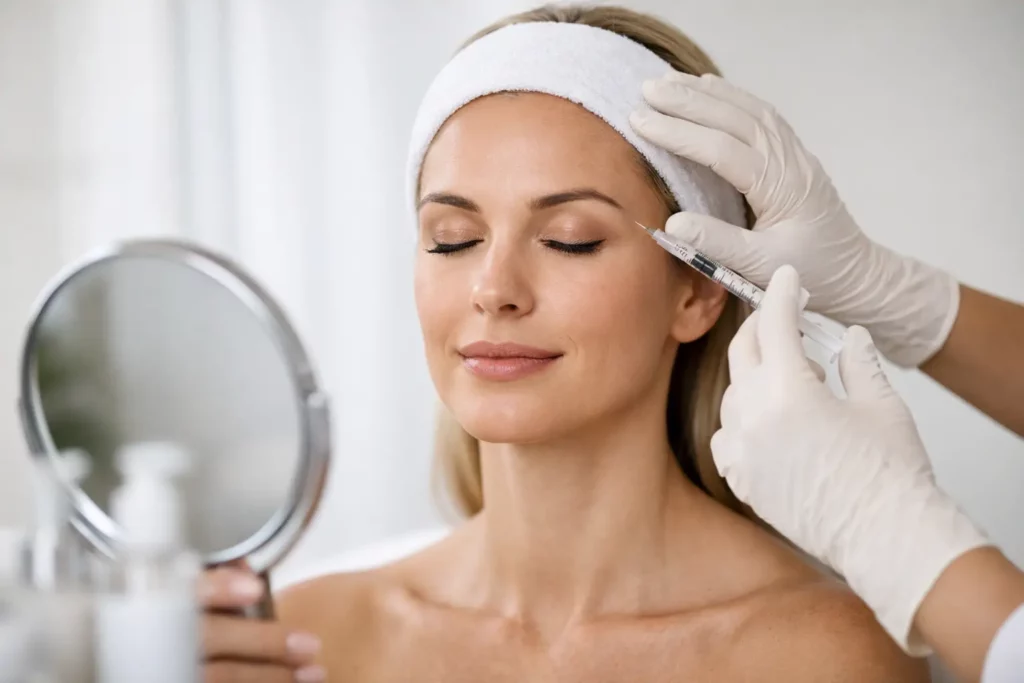
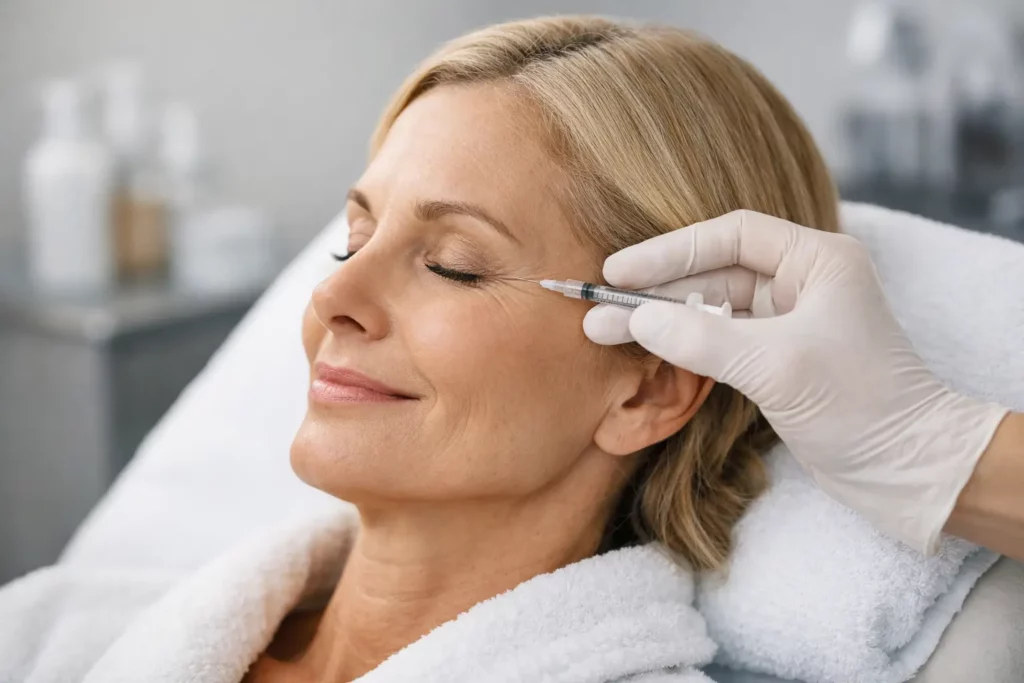
A great Botox appointment starts before you ever sit in the treatment chair. If you are wondering how to prepare for botox, the goal is simple – make treatment day smooth, minimize the chance of bruising, and give your provider the clearest picture of your facial movement, goals, and medical history.
Table of Contents
ToggleFor many first-time patients, the biggest surprise is how little prep is actually required. Botox does not demand the kind of planning that surgery does, but a few smart adjustments in the days leading up to your appointment can make a real difference. The right preparation supports safety, comfort, and natural-looking results.
How to prepare for botox before your appointment
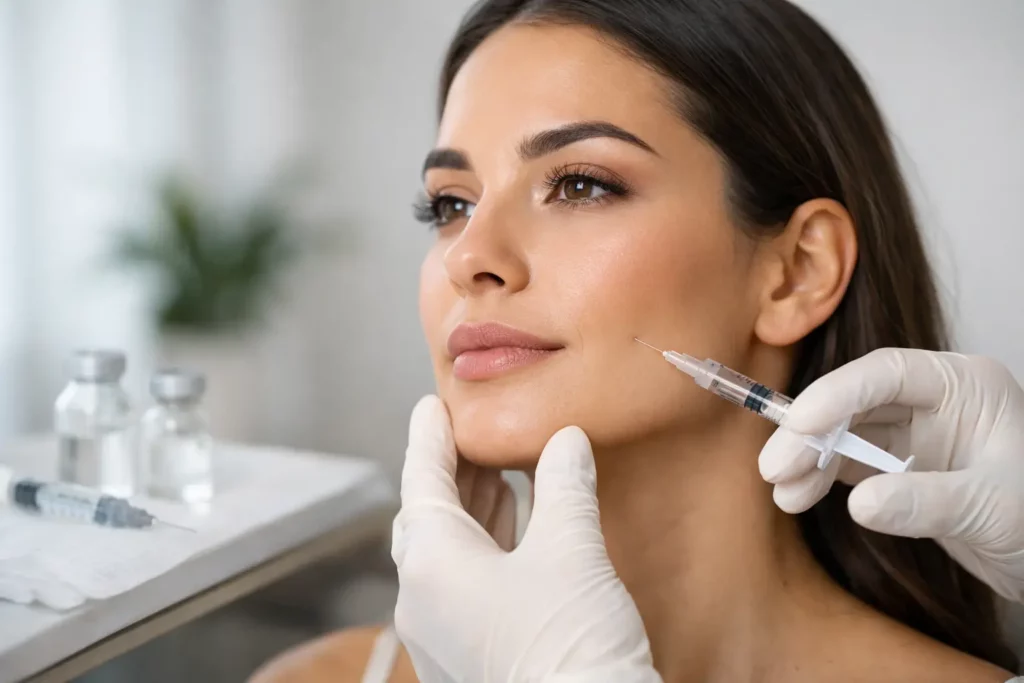
The first step is choosing a qualified medical provider who takes time to assess your facial anatomy, expressions, and treatment goals. Botox is not one-size-fits-all. The amount used, the injection points, and even whether Botox is the best option all depend on your muscle activity, your features, and the result you want.
This is why a consultation matters. A strong injector will ask about previous treatments, allergies, medications, pregnancy or breastfeeding status, neurologic conditions, and any recent dental work or facial procedures. They should also talk with you about what Botox can do well and where expectations need to stay realistic. If your goal is softer lines with preserved expression, say so. If you want a stronger brow lift effect or relief from jaw tension, that should shape the plan.
A few days before treatment, take a close look at anything that could increase bruising. Many providers recommend avoiding blood-thinning medications and supplements when medically appropriate and only with clearance from the prescribing physician if needed. That may include aspirin, ibuprofen, naproxen, fish oil, vitamin E, ginkgo biloba, garlic supplements, and certain herbal blends. This does not mean you should stop a prescribed medication on your own. It means you should disclose everything you take, including over-the-counter products, and let your provider guide you safely.
Alcohol is another common issue. It can increase the risk of bruising, so it is usually best to avoid it for at least 24 hours before your visit. The same general idea applies to anything that makes blood vessels more reactive right before injections.
What to avoid the day before and day of treatment
If you are planning how to prepare for botox, think in terms of reducing irritation and keeping your skin calm. Try not to schedule aggressive facials, chemical peels, waxing, threading, or laser treatments immediately before your appointment unless your provider has specifically coordinated the timing. Skin that is inflamed or freshly treated may be more sensitive.
On the day of your appointment, arrive with a clean face if possible. Skip heavy makeup, thick moisturizers, or anything occlusive in the treatment area. Your provider will cleanse the skin anyway, but coming in fresh makes the process easier.
It also helps to avoid intense workouts right before your visit. Exercise increases circulation and can make you flushed, warm, and sometimes a bit more prone to swelling. A morning walk is usually fine, but a high-intensity class right before injections is not ideal.
If you are prone to feeling lightheaded during needles or medical appointments, eat a normal meal beforehand and stay hydrated. Botox appointments are quick, but no one feels their best walking in dehydrated or running on coffee alone.
What your injector needs to know
Botox is quick, but it should never feel rushed. One of the best ways to prepare is to come ready to talk openly. Bring a list of medications and supplements if you are unsure you will remember them. Be honest about prior Botox experiences, including results you loved and results you did not.
This is also the time to mention if you have had filler, PDO threads, facial surgery, or recent dental procedures. These details can influence placement and timing. If you have an important event coming up, say that too. Botox results are not instant. Most patients start noticing changes within a few days, with fuller results developing around 10 to 14 days after treatment. If your schedule matters, your provider needs that information before they map out your plan.
Photos are often part of the process, and they are helpful. Your resting face and animated expressions give valuable information about muscle movement, asymmetry, and line formation. Do not try to “help” by holding tension in your forehead or exaggerating a frozen look. Natural expression leads to better planning.
Planning around events and downtime
One of the reasons Botox is so popular is that there is little to no true downtime. Still, timing matters. Tiny bumps at the injection sites, mild redness, or minor bruising can happen. These effects are usually short-lived, but they are worth planning around.
If you have a wedding, photoshoot, reunion, or major work event, do not schedule your first Botox appointment the day before. Give yourself at least two weeks, and if it is your first treatment, a little more cushion can be helpful. That allows time for the product to settle, for any touch-up discussion if appropriate, and for your provider to assess the final result.
This matters even more if you are combining Botox with other aesthetic treatments. A personalized timeline often creates the best outcome, especially when skin treatments, fillers, or wellness services are part of a broader plan.
What to wear and bring to your Botox appointment
Comfort counts more than people expect. Wear something easy and comfortable, especially if your treatment includes the forehead, frown lines, crow’s feet, jawline, or neck. You do not need to dress up for injections.
Bring your ID, any forms your office requests, and a clear idea of your goals. It can help to think beyond one line or one wrinkle. Are you hoping to look more rested? Soften a tense expression? Reduce forehead creasing while keeping movement? The most refined results usually come from treating the face as a whole, not chasing a single crease in isolation.
If it is your first visit to a practice like DermAlign Medical Aesthetics, expect a more detailed conversation than you might anticipate. That is a good thing. Personalized aesthetic medicine should feel thoughtful, not transactional.
Aftercare starts with good preparation
Part of learning how to prepare for botox is understanding what happens after treatment. When you know the aftercare ahead of time, you are less likely to accidentally do something that interferes with your results.
Most providers recommend staying upright for several hours after injections and avoiding rubbing, massaging, or putting pressure on the treated area that same day unless specifically instructed otherwise. It is also common advice to skip strenuous exercise, saunas, steam rooms, and excessive heat for the rest of the day. These steps are simple, but they matter.
You should also know what not to expect. Botox does not erase every etched line immediately, and it does not act like filler. Dynamic lines caused by muscle movement usually soften first. Deeper static lines may improve gradually or may need a combination approach depending on your skin quality and anatomy.
Common mistakes people make before Botox
The most common mistake is treating Botox like a casual beauty errand instead of a medical aesthetic procedure. It may be fast, but it still requires proper assessment, dosing, and technique.
Another mistake is booking too close to a big event. The next is forgetting to mention medications, supplements, or recent procedures. Some patients also come in focused on a trend or a social media result that does not fit their own facial structure. The best outcome is rarely the most dramatic one. It is the one that looks balanced, refreshed, and still like you.
There is also a practical mistake people overlook – waiting until they are in the chair to ask basic questions. Ask beforehand about timing, pricing, aftercare, and whether your goals are a fit for Botox or better suited to another neurotoxin or a different service entirely. Clear communication creates a better experience on both sides.
When to reschedule instead of pushing through
Sometimes the smartest preparation is knowing when to pause. If you have an active rash, infection, cold sore near the area, or you are not feeling well, call your provider. The same goes if you are pregnant, think you may be pregnant, or are breastfeeding and have not yet discussed that with the practice.
Rescheduling may also be the better option if you recently had a major dental appointment, facial surgery, or another treatment that could affect the area being injected. A reputable provider would rather adjust the plan than move forward when the timing is off.
Botox works best when the process is personalized from the first conversation to the final result. Preparation is not about doing a lot. It is about doing the right few things, asking thoughtful questions, and choosing a provider who values safety as much as aesthetics. When you walk in informed and well-prepared, treatment feels easier, more comfortable, and far more aligned with the result you actually want.