Skip to content
A sharper jawline can make the nose look softer. A little support in the chin can make lips look more proportional. And sometimes the under-eyes are not the real issue at all – it is midface volume loss changing the way the whole face reads. That is why the best fillers for facial balancing are not about chasing one feature. They are about creating proportion, support, and harmony across the face.
Table of Contents
ToggleFacial balancing is one of the most customized treatments in aesthetic medicine. It looks at how each feature relates to the others, rather than treating the lips, cheeks, or chin in isolation. For some patients, that means restoring age-related volume loss. For others, it means refining profile balance, strengthening structure, or softening asymmetry. The filler itself matters, but the injector’s judgment matters just as much.
What facial balancing really means
Facial balancing is the art and science of improving overall facial harmony with strategic placement of filler, sometimes combined with other treatments. The goal is not to make every feature larger. In fact, overfilling one area often makes the face look less balanced, not more.
A well-balanced face usually depends on support in the midface, proportion between the lips and chin, definition along the jawline, and a profile that feels cohesive from forehead to nose to chin. Age, genetics, bone structure, and skin quality all affect the plan. So does movement. A face at rest can look very different when smiling, speaking, or turning in profile.
This is why a consultation should feel thorough. Good facial balancing starts with assessment, not syringes.
The best fillers for facial balancing depend on the area
There is no single product that wins for every patient. The best fillers for facial balancing are chosen based on the treatment area, how much structure is needed, the thickness of the skin, and whether the goal is lift, contour, or soft refinement.
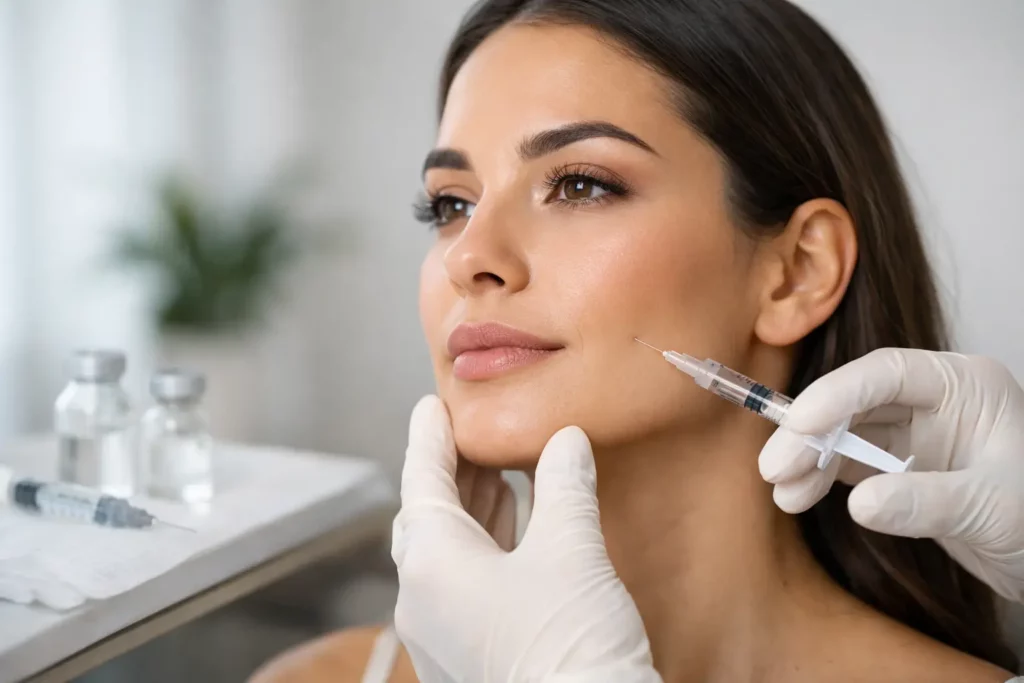
Most facial balancing treatments use hyaluronic acid fillers because they are versatile, precise, and reversible. Within that category, different fillers behave differently. Some are firmer and better for structure. Others are softer and better for delicate areas or smooth blending.
Chin and jawline
When the chin is recessed or the jawline lacks definition, a firmer filler is often preferred. These products hold shape better and can create the kind of projection needed to support the lower face. Chin filler can improve profile balance dramatically, especially when the nose or lips seem more prominent simply because the chin is underprojected.
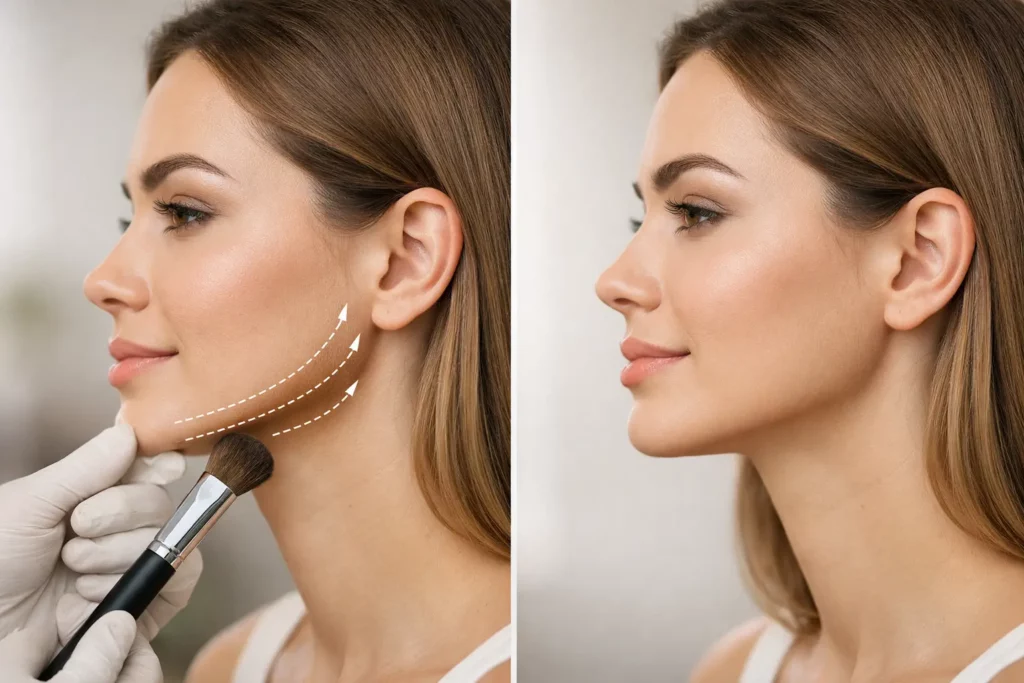
Jawline filler can sharpen contour, camouflage early jowling, and create a cleaner transition from face to neck. It works best when there is still enough skin support to define. If significant heaviness or laxity is present, filler alone may not be the right answer.
Cheeks and midface
Cheek filler is often less about making the cheeks look bigger and more about restoring foundational support. As we age, volume loss in the midface can flatten the cheeks, deepen the nasolabial folds, and make the under-eye area look tired. Replacing support here can improve multiple areas at once.
For facial balancing, cheek filler is often one of the most strategic tools because it affects the whole facial frame. A subtle amount can lift and refine without looking obvious. Too much, however, can create width or an overdone look. This is where restraint matters.
Lips
Lip filler can absolutely play a role in facial balancing, but it should match the rest of the face. Full lips are not the goal for everyone. In many patients, the best result is hydration, border definition, or modest shape correction rather than major volume.
A softer filler is often chosen here because the lips need to move naturally and feel supple. If the chin is weak or the lower face lacks support, adding more lip volume without addressing those areas can throw off facial proportion. This is one reason lip filler should be planned in context.
Under-eyes
Under-eye filler is one of the most technique-sensitive options in aesthetics. In the right patient, it can soften hollowing and reduce a tired appearance. In the wrong patient, it can add puffiness or draw attention to the area.
This is not always the first place to treat for facial balancing. Sometimes improving the cheeks does more for the under-eyes than placing filler directly into the tear trough. When under-eye filler is appropriate, product selection and conservative dosing are critical.
Temples and other support areas
Temple hollowing can make the upper face look skeletal and can subtly age the whole face. Restoring volume here can create a softer, more youthful contour and improve facial continuity from the forehead to the cheekbone.
These support areas are often overlooked, but they can make a major difference in full-face balance. The best plan is not always the most obvious one.
How providers choose the best fillers for facial balancing
Product choice is based on much more than brand preference. A trained injector looks at tissue thickness, facial movement, degree of volume loss, bone support, and the level of projection needed. They also consider whether the area needs sharp definition or soft integration.
For example, the chin often benefits from a filler with stronger structural capacity. The lips usually need something more flexible. The cheeks may require a product that lifts without feeling heavy. Even within the same face, several fillers may be used to achieve one balanced result.
That is why facial balancing should not be sold as a one-size-fits-all package. The most natural outcomes come from individualized planning, careful layering, and a willingness to say no to unnecessary filler.
When filler is the right answer – and when it is not
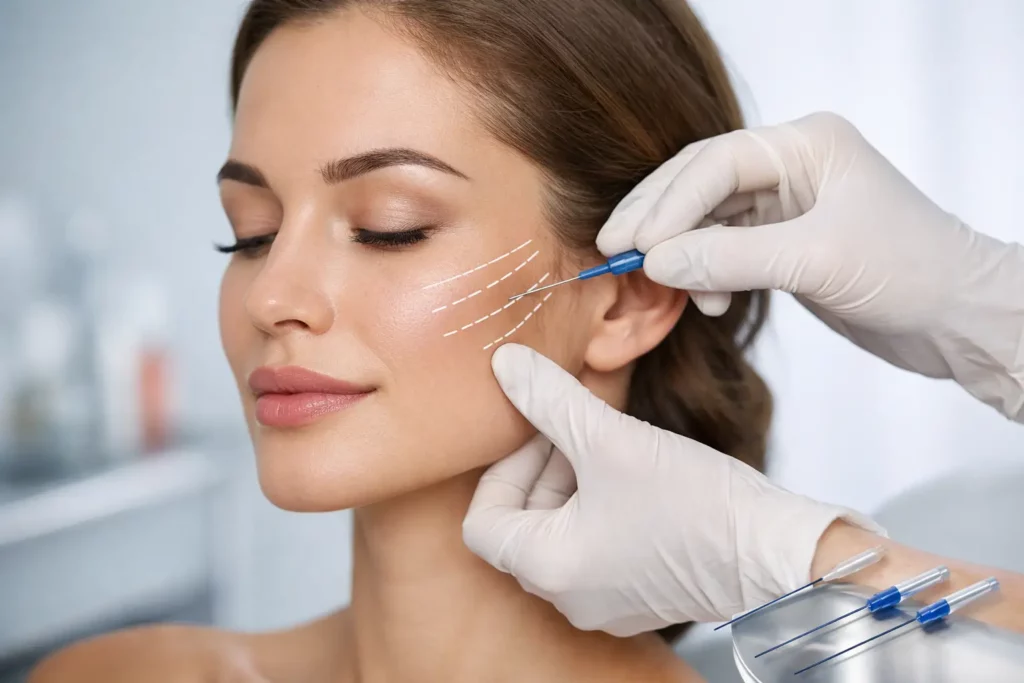
Filler can do a lot, but it cannot do everything. If your concern is skin laxity, heaviness under the chin, or significant lower-face descent, filler may help only partially. In some cases, biostimulatory treatments, threads, skin tightening, or fat-reduction treatments may be more appropriate. Neurotoxins can also support balancing by relaxing muscles that pull features downward or create asymmetry.
There is also the question of timing. Some patients benefit from gradual treatment over multiple visits rather than trying to correct everything at once. This often leads to better integration and more refined decisions along the way.
A medically guided consultation should include these trade-offs. The right provider will explain what filler can improve, what it cannot, and how to build a treatment plan that aligns with your anatomy and comfort level.
What natural-looking results actually look like
The best facial balancing does not announce itself. People may notice that you look more refreshed, more proportionate, or somehow more polished, without being able to pinpoint why. That is usually a sign the treatment was done well.
Natural-looking filler respects facial identity. It does not erase character or make every face fit the same trend. A balanced result still looks like you – just with better support, cleaner contour, or softer transitions where aging or asymmetry disrupted harmony.
This is especially important for patients who are new to injectables or worried about looking overdone. Conservative treatment can still create meaningful improvement. In many cases, less product in the right place creates a better result than more product in the most obvious place.
Questions worth asking before treatment
If you are considering filler for facial balancing, ask how your provider evaluates the full face, not just the area that bothers you most. Ask whether the plan is focused on structure, volume restoration, contour, or profile refinement. Ask what type of filler is being recommended and why.
It is also reasonable to ask about reversibility, longevity, swelling, downtime, and whether your result may require staged treatment. A consultation should leave you informed, not pressured. At DermAlign Medical Aesthetics, that kind of one-on-one planning is what helps patients feel confident saying yes only when the plan feels right.
The best filler is never just the one with the biggest name or the longest list of social media before-and-afters. It is the one that fits your anatomy, your goals, and your provider’s strategy for creating balance. When treatment is customized with precision and restraint, facial balancing can be one of the most elegant ways to look better, feel better, and still look fully like yourself.