Skip to content
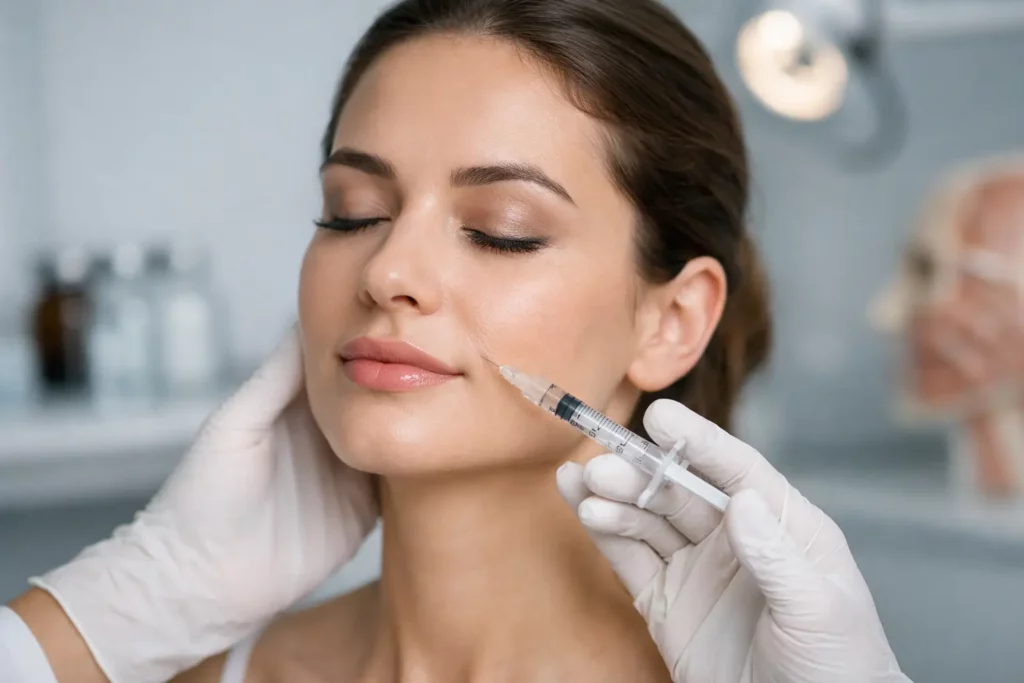
A smoother smile line, softer under-eyes, a more defined jawline – the appeal of filler is easy to understand. But before any treatment, the real question is the right one: are dermal fillers safe? The honest answer is yes, dermal fillers can be safe when they are selected appropriately, injected correctly, and performed by a highly trained medical professional. They are not risk-free, though, and that distinction matters.
Table of Contents
ToggleFor anyone considering filler, safety should not start with the syringe. It starts with the consultation, the injector’s medical judgment, and a treatment plan built around your anatomy rather than a one-size-fits-all trend. The safest filler treatment is the one that fits your face, your goals, and your health history.
Are Dermal Fillers Safe? The Short Answer
Dermal fillers are FDA-approved for specific cosmetic uses and have a long track record in aesthetic medicine. Most modern fillers are made with hyaluronic acid, a substance naturally found in the body, which is one reason they are widely used for lips, cheeks, smile lines, chin enhancement, and facial balancing.
That said, safe does not mean casual. Fillers are medical treatments, not beauty shortcuts. Results depend heavily on product choice, injection technique, sterile handling, and careful knowledge of facial anatomy. A qualified injector understands where filler belongs, where it does not, and how to reduce risk while preserving natural expression.
What Makes Dermal Fillers Safe or Unsafe?
The biggest factor is who is doing the treatment. An experienced medical injector evaluates skin quality, facial structure, movement, previous filler history, and the blood vessel patterns that make certain areas more advanced than others. This level of assessment helps prevent avoidable problems such as poor placement, overfilling, asymmetry, and more serious vascular complications.
Product selection also matters. Not every filler is designed for every area. Some are softer and better suited for lips or fine lines, while others are firmer and used to support cheeks, jawline definition, or chin projection. Using the wrong product in the wrong place can affect both safety and outcome.
Patient selection is another major part of the equation. Pregnancy, active skin infection, certain autoimmune conditions, recent dental work, bleeding disorders, and a history of severe allergic reactions may change the timing or appropriateness of treatment. A responsible provider does not push ahead when the safest choice is to wait or choose a different option.
Common Side Effects vs Real Complications
Most filler side effects are temporary and expected. Mild swelling, tenderness, bruising, redness, and a feeling of firmness at the injection site are common in the first few days. Lips tend to swell more than other areas, and under-eye filler often requires especially thoughtful follow-up because that area shows small irregularities more easily.
These short-term effects are very different from a true complication. Lumps that do not settle, prolonged swelling, significant asymmetry, infection, delayed inflammatory reactions, or filler migration may require evaluation and sometimes correction. Rare but serious complications can happen if filler is placed into or compresses a blood vessel. That can compromise blood flow and, in extremely rare cases, lead to tissue damage or vision problems.
This is exactly why filler should be treated as a medical procedure. The provider should know how to recognize early warning signs, respond quickly, and use dissolving medication such as hyaluronidase when appropriate for hyaluronic acid fillers.
Why the Injector Matters More Than the Brand Name
Many patients research filler brands first, but the injector matters more. Well-known products can still produce poor results in inexperienced hands. On the other hand, a skilled injector can often create subtle, elegant improvement because they understand restraint, proportion, and precision.
A good consultation should feel educational, not rushed. You should understand what product is being used, why it was chosen, how much is recommended, what risks apply to your treatment area, what aftercare looks like, and what to do if something feels off after you leave. Transparency is part of safety.
An experienced aesthetic provider will also tell you when filler is not the best answer. Sometimes skin laxity, poor hydration, volume loss, or collagen decline are better addressed with biostimulatory treatments, skincare, neuromodulators, microneedling, or a combination approach. The safest and most natural result often comes from treating the real cause of the concern, not just filling the visible line.
Are Dermal Fillers Safe for Lips, Cheeks, and Under-Eyes?
Some areas are more straightforward than others. Lip filler is popular and can be very safe in qualified hands, but it is also one of the easiest places to overdo. The lips swell, shape changes quickly, and social media has normalized results that do not always age well. A conservative approach usually creates the best balance between beauty and safety.
Cheek filler is often used to restore structure and support. When placed well, it can lift the midface subtly and improve overall facial harmony. Because the cheeks can influence lower-face heaviness and under-eye appearance, this area often rewards thoughtful planning rather than treating isolated spots.
Under-eye filler is one of the more nuanced uses of filler. It is not ideal for everyone. Thin skin, puffiness, fluid retention, and certain anatomical features can make this area less forgiving. In the right patient, it can soften hollowness beautifully. In the wrong patient, it can look puffy or uneven. This is a prime example of why candid recommendations matter.
How to Lower Your Risk Before Treatment
Safety improves when patients ask better questions. You should know your injector’s medical credentials, experience with the specific area being treated, and plan for managing complications. You should also discuss prior filler, allergies, medications, supplements that increase bruising, and any recent illness or dental procedures.
It is equally wise to avoid bargain shopping. Filler pricing varies for valid reasons, including product quality, injector expertise, appointment time, and follow-up care. A lower price can come with shortcuts in consultation, technique, or complication preparedness. When the treatment affects your face, value and safety tend to go together.
Following pre- and post-care instructions matters too. Patients are often advised to avoid alcohol, certain supplements, strenuous exercise right after treatment, and pressure on the treated area. These details may seem small, but they can affect bruising, swelling, and healing.
Natural Results Are Usually Safer Results
One of the most overlooked truths in aesthetics is that moderation supports safety. Chasing dramatic change in a single appointment can put more stress on tissue, distort proportions, and create a look that is harder to maintain. Conservative treatment allows the face to respond gradually and gives both patient and injector time to assess what is actually needed.
That is especially important for first-time patients. Starting with less does not mean settling for less. It often leads to better balance, fewer regrets, and a more refined result. The goal should be to look refreshed, not filled.
At DermAlign Medical Aesthetics, that philosophy aligns with how modern aesthetic medicine should feel – personalized, medically guided, and centered on long-term confidence rather than quick fixes.
When Filler May Not Be the Right Choice
A safe treatment plan sometimes means saying no to filler. If facial fullness is already present, adding volume may not create the improvement a patient expects. If skin laxity is the main issue, filler can occasionally make the face look heavier rather than tighter. If a patient wants surgical-level lifting, filler may not deliver the right result.
There are also patients who are better served by dissolving old filler before adding more. Filler can linger longer than expected in some areas, and layering new product over old product is not always the best strategy. A careful assessment of what is already there is part of safe planning.
So, Are Dermal Fillers Safe?
They can be very safe when approached with the right mindset: medical oversight, honest consultation, individualized planning, and conservative technique. They are less safe when chosen impulsively, performed by underqualified injectors, or used to chase trends instead of supporting facial harmony.
If you are considering filler, the smartest next step is not asking how many syringes you need. It is asking whether the treatment is right for you, whether the injector has the training to perform it safely, and whether the plan respects both your features and your long-term goals.
The best aesthetic work does not make you look like someone else. It helps you look like yourself, rested, refined, and well cared for.