Skip to content
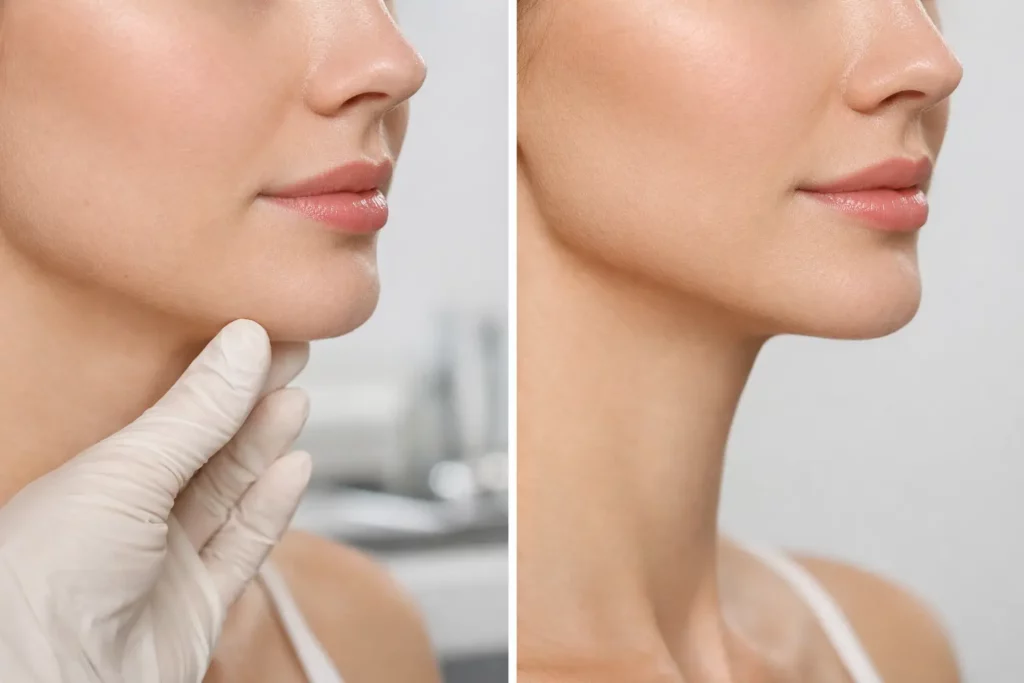
A sharper jaw can change more than one angle in the mirror. For many patients, the appeal of jawline filler before and after results is not about looking dramatically different. It is about creating cleaner definition, better facial balance, and a more refreshed profile without surgery.
Table of Contents
ToggleJawline enhancement is one of the most requested non-surgical treatments because it can address several concerns at once. Some patients want a stronger, more sculpted lower face. Others are noticing early jowling, age-related volume loss, or a softer profile that no longer feels in proportion with the rest of their features. The right filler plan can improve contour in a way that still looks natural, precise, and fully your own.
What jawline filler before and after really shows
Online photos can be helpful, but they do not always tell the full story. A true jawline filler before and after comparison reflects more than a single syringe and a dramatic lighting change. It shows how structure, anatomy, and technique come together to enhance the lower face while respecting the patient’s natural proportions.
In younger patients, the goal is often definition. Filler can create a cleaner line from the chin to the angle of the jaw, improve side profile balance, and reduce the appearance of a weak or recessed lower face. In mature patients, the focus may be support. Strategic placement can soften the appearance of jowls, restore contour that has blurred with age, and create a firmer-looking transition between the face and neck.
The best results do not look puffy, stiff, or overbuilt. They look intentional. People may notice that you look more polished or rested, but they should not immediately notice filler.
Who tends to benefit most from jawline filler
Jawline filler is not one-size-fits-all, and that is where consultation matters. Patients with mild to moderate volume loss, soft jawline definition, facial asymmetry, or a less projected chin often respond very well to treatment. Men and women can both be excellent candidates, although the design goals are usually different.
Many women want a sleeker, refined contour. Many men prefer a broader, stronger, more angular result. Neither approach is better. The point is customizing the treatment to the face in front of you.
It also helps to be realistic about what filler can and cannot do. If fullness under the chin is caused mainly by excess fat, skin laxity, or heavier jowling, filler alone may not create the result you want. In those cases, a more comprehensive plan may be appropriate, sometimes combining jawline contouring with treatments that address the neck, skin quality, or submental fullness.
The consultation shapes the result
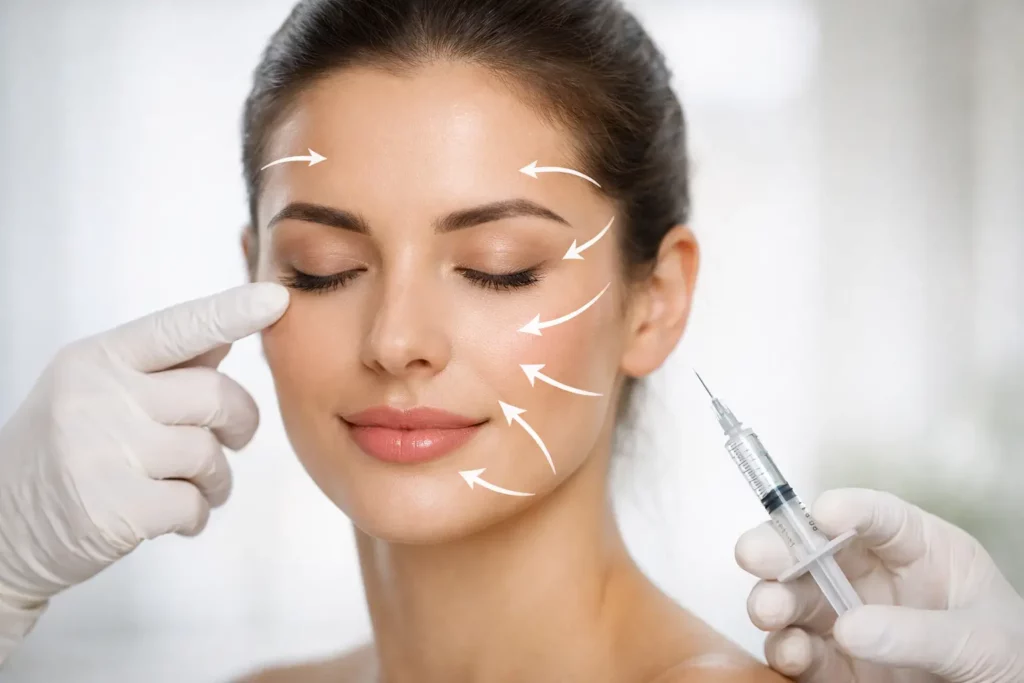
A strong outcome starts long before the first injection. The provider should evaluate your facial structure from the front, side, and three-quarter view. The jawline does not exist in isolation. Chin projection, cheek support, skin thickness, muscle activity, and even the way your neck meets the underside of the jaw all affect the final result.
This is why personalized planning matters so much. Some patients need definition near the angle of the jaw. Others need support along the prejowl area, where volume loss can create shadowing and an uneven contour. In some cases, the chin needs enhancement for the jawline to look balanced at all.
At DermAlign Medical Aesthetics, this kind of one-on-one planning is central to treatment. A polished before and after is rarely about more product. It is usually about better assessment, better placement, and better restraint.
What to expect during treatment
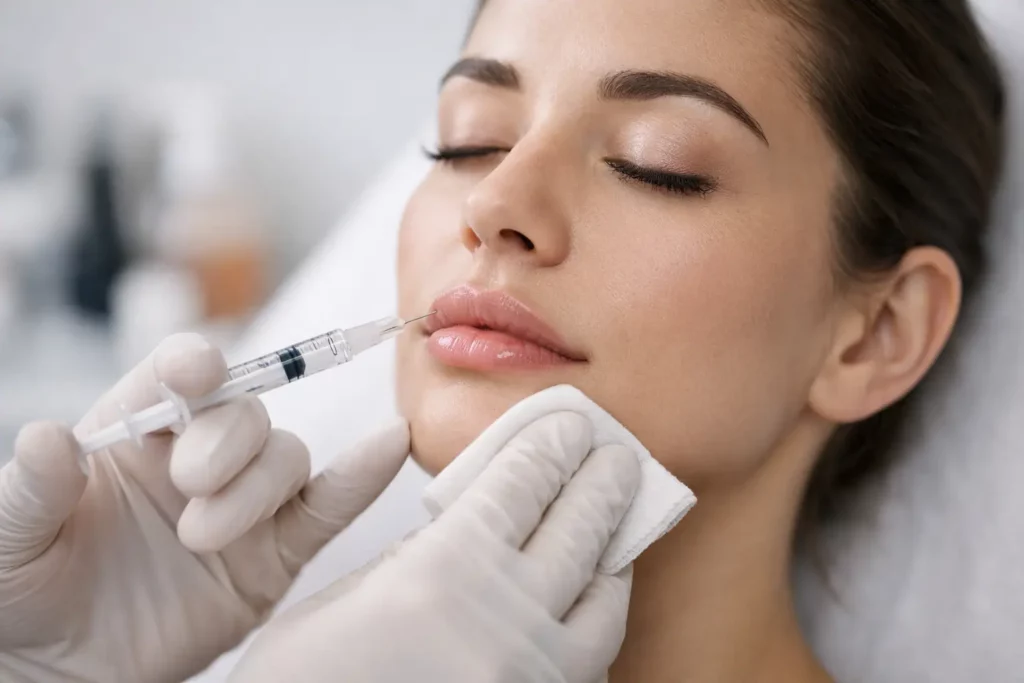
Jawline filler appointments are typically straightforward, but they are still medical treatments that require precision. After your anatomy is assessed and the plan is confirmed, the area is cleansed and marked. Depending on the product and technique, your provider may use a needle, a cannula, or both.
Most patients describe the treatment as very manageable. You may feel pressure, pinching, or a deep pushing sensation in areas where structural support is being created. The appointment itself is usually relatively quick, although careful shaping takes time.
One detail many patients appreciate is that you can often see improvement immediately. That said, immediate results are not the final results.
Jawline filler before and after: day 1 vs week 2
This is where expectations need to be clear. Right after treatment, the jawline often looks more defined, but there may also be swelling, tenderness, or minor asymmetry that settles over several days. Some patients bruise. Others barely do. Both can be normal.
During the first 24 to 72 hours, the treated area may feel firm or slightly uneven to you. That does not mean something is wrong. Filler needs time to integrate, and soft tissue needs time to calm down. In most cases, the jawline looks more refined after the initial swelling resolves.
By around two weeks, you usually have a much more accurate sense of your result. This is when the contour looks cleaner, the filler has settled more naturally, and any small touch-up decisions can be made thoughtfully. When patients compare their true before and after photos at this point, they often notice improvement not only in the jawline itself but in the overall harmony of the face.
How long results usually last
Longevity depends on the product used, your metabolism, the amount injected, and the movement in the area treated. In general, jawline filler can last anywhere from around 9 to 18 months, sometimes longer. Firmer fillers placed deeply for structure often have more staying power than softer fillers used in highly mobile areas.
That said, longer-lasting does not always mean better if the product is not right for your anatomy. The goal is durable support with a natural feel and look. Maintenance is often easier than starting over, so many patients return for reassessment before the result fully fades.
When before and after photos can be misleading
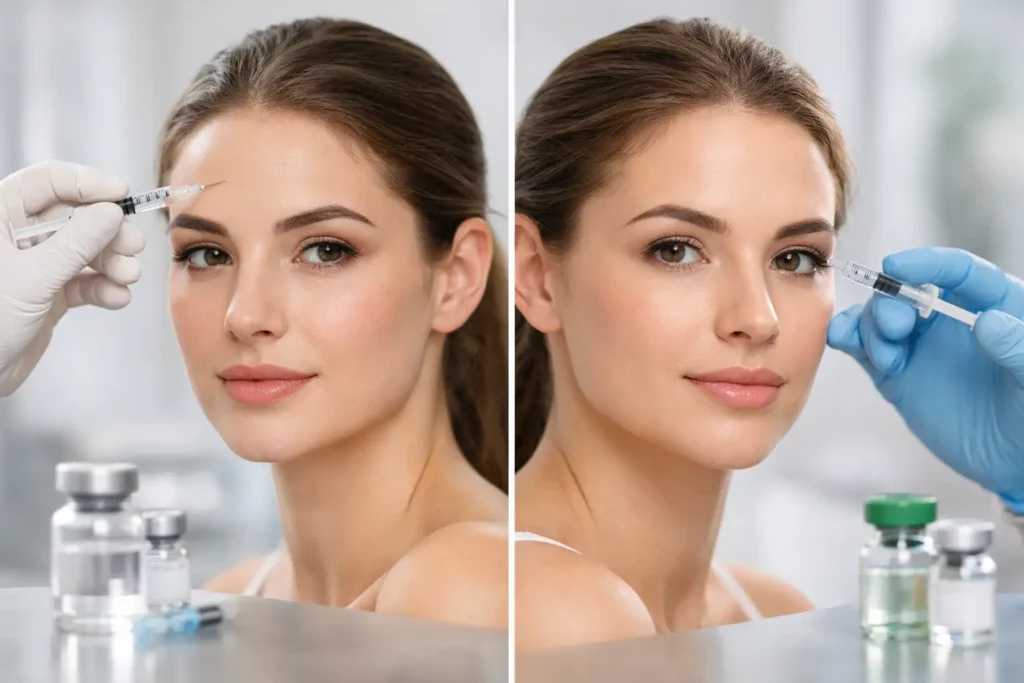
Good aesthetic medicine is not about chasing the most dramatic image. It is about choosing the result that fits your face. Some online before and after galleries show patients with makeup changes, different head positions, or altered lighting, which can exaggerate improvement.
There is also the issue of overfilling. A very sharp jawline may look impressive in a photo but feel heavy or unnatural in everyday life, especially if the rest of the face is softer or more delicate. A responsible injector should be honest if your goals would be better served by a gradual approach.
The most trustworthy results are the ones that still look believable up close, in motion, and from every angle.
Risks, trade-offs, and what patients should know
Jawline filler is widely performed, but it is not casual. Swelling, bruising, tenderness, and temporary irregularity are common short-term effects. More serious complications, while less common, are the reason training and anatomy knowledge matter so much.
There are also aesthetic trade-offs to consider. More filler can create more definition, but it can also create bulk if used too aggressively. A hyper-snatched jawline may not age as gracefully as a softer, balanced correction. For some patients, less really is more.
This is especially true if skin laxity is significant. Filler can support and contour, but it does not replace surgery when excess tissue is the main issue. The right provider will explain that clearly instead of forcing filler to do a job it cannot do well.
Getting the most natural-looking result
Natural-looking jawline enhancement usually comes down to three things: the right candidate, the right product, and the right amount. It should support your existing anatomy, not compete with it.
If you are considering treatment, bring inspiration carefully. It is fine to share examples of what you like, but your own bone structure, tissue quality, and facial proportions should guide the final plan. The goal is not to copy someone else’s jawline. It is to create a stronger version of your own.
Patients who are happiest with their results tend to approach treatment as refinement, not reinvention. They want to look better, feel more confident, and still look like themselves when they catch their reflection in natural light.
A good jawline filler result should not ask people to notice the treatment. It should simply make the face look more balanced, more supported, and more intentional. If you are curious about what your own before and after could look like, the smartest first step is a personalized consultation with a provider who values safety, precision, and a result that still feels like you.