Skip to content
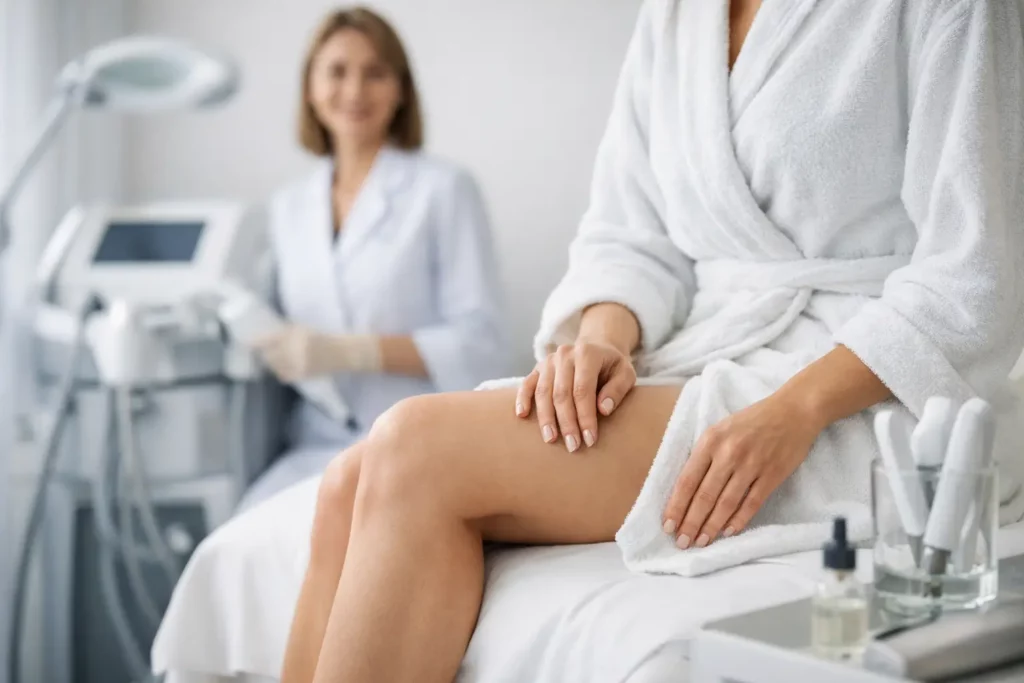
Changes in vaginal comfort can be deeply personal, but they are also extremely common. Childbirth, menopause, hormonal shifts, aging, weight changes, and certain medical treatments can affect lubrication, tissue elasticity, pelvic support, and sexual confidence. Vaginal rejuvenation without surgery offers a discreet, medically guided way to explore those concerns without committing to an operation or lengthy recovery.
Table of Contents
ToggleThe right treatment is never one-size-fits-all. A thoughtful consultation should begin with what you are feeling, what you want to improve, and whether a nonsurgical option is appropriate for your anatomy, health history, and goals.
What Does Vaginal Rejuvenation Without Surgery Mean?
Vaginal rejuvenation without surgery is an umbrella term for noninvasive or minimally invasive treatments designed to support vaginal and vulvar wellness. Depending on the treatment plan, patients may seek help with vaginal dryness, reduced sensation, mild laxity, discomfort during intimacy, urinary leakage with coughing or exercise, or changes in the appearance of the external genital tissue.
It is helpful to separate two concerns that are often grouped together. Vaginal treatments focus on internal tissue health, comfort, and function. Vulvar or labial treatments focus on the external area. A provider may recommend different approaches depending on whether your primary concern is dryness, pelvic-floor weakness, urinary symptoms, intimacy, or labial appearance.
Nonsurgical care can be an appealing option for patients who want to feel better without anesthesia, incisions, or the extended downtime associated with surgical procedures. Still, “nonsurgical” does not mean casual. These treatments involve intimate health and deserve the same clinical screening, privacy, and informed consent as any other medical aesthetic service.
Concerns a Nonsurgical Plan May Address
Many patients first bring up vaginal wellness because something no longer feels like it used to. For some, the change is physical: irritation, dryness, reduced lubrication, or pain with penetration. Others notice urine leakage during workouts, laughing, sneezing, or lifting a child. Some simply want to feel more confident after pregnancy, childbirth, or menopause.
A carefully selected nonsurgical plan may help support tissue quality and comfort for appropriate candidates. Results vary widely because symptoms can have different causes. Dryness related to menopause, for example, may respond differently than laxity after vaginal delivery or leakage related to pelvic-floor dysfunction.
This is why a medical provider should ask detailed questions before recommending a treatment. Symptoms such as bleeding, persistent pain, recurrent infections, new pelvic pressure, or a noticeable bulge require evaluation by a gynecologist or other qualified medical professional. Aesthetic and wellness care should complement appropriate medical care, not replace it.
Treatment Options and How They Differ
Energy-Based Vaginal Treatments
Some nonsurgical vaginal rejuvenation treatments use radiofrequency or laser-based technology to deliver controlled energy to tissue. The intended goal is to stimulate a tissue response that may support collagen remodeling and improve local circulation. Treatment sessions are typically performed in the office, with little or no downtime for many patients.
Comfort, treatment protocol, and recovery guidance depend on the device and the area being treated. Some patients report temporary warmth, sensitivity, spotting, or discharge afterward. Providers commonly recommend avoiding intercourse, tampons, and hot baths for a short period when indicated.
Energy-based treatments are not a guarantee for every concern. The FDA has issued communications regarding the marketing of energy-based devices for certain vaginal “rejuvenation” claims, particularly when devices are promoted as proven treatments for sexual function, urinary incontinence, or menopausal symptoms without adequate evidence. A credible provider will explain the specific device, its intended use, expected benefits, alternatives, possible risks, and the limits of current evidence before moving forward.
Pelvic-Floor Support
If leakage, pressure, or a feeling of reduced support is the main concern, pelvic-floor function should be part of the conversation. Pelvic-floor physical therapy can be highly valuable for many patients, especially after pregnancy or during midlife. It may involve guided exercises, breathing strategies, posture work, and techniques to improve coordination of the pelvic-floor muscles.
Not everyone with urinary symptoms has weak muscles. Some people have an overly tense pelvic floor, which can contribute to pain or difficulty with intimacy. That distinction matters. More tightening exercises are not automatically the answer, and an accurate assessment can prevent frustration.
Hormonal and Moisture Support
Vaginal dryness, burning, and irritation are common during perimenopause and menopause, when estrogen levels change. Depending on your medical history, a gynecologist may recommend vaginal moisturizers, lubricants, prescription local hormone therapy, or other medical options. These approaches can be especially relevant when tissue changes are driven primarily by genitourinary syndrome of menopause.
A medical spa consultation can help identify your concerns, but it should also recognize when gynecologic management is the most appropriate first step. The best plan may include both wellness-based treatments and care from your OB-GYN.
Nonsurgical Labial Rejuvenation
When patients ask about “rejuvenation,” they may be referring to external concerns such as changes in labial texture, laxity, color, or fullness. Nonsurgical labial rejuvenation may involve carefully selected technologies or regenerative approaches, depending on candidacy and local clinical standards.
It is important to have realistic expectations. Nonsurgical options may improve tissue quality or appearance for some patients, but they do not produce the same structural change as surgical labiaplasty. If substantial reduction, reshaping, or correction of asymmetry is the goal, surgery may be the more predictable option. A good provider will say so directly rather than overpromise what a nonsurgical treatment can deliver.
What a Personalized Consultation Should Include
Intimate wellness deserves a private, respectful setting where you can speak openly. At DermAlign Medical Aesthetics, that means beginning with one-on-one education rather than assuming that a particular treatment is right for everyone.
Your consultation should cover your symptoms, goals, pregnancies and delivery history, menstrual or menopausal status, medications, prior procedures, and relevant medical conditions. Be prepared to discuss whether you have active infections, unexplained bleeding, a history of pelvic surgery, implanted devices, cancer treatment, or concerns about pregnancy. These factors may affect whether treatment should be postponed, modified, or avoided.
You should also receive clear information about cost, the anticipated number of sessions, maintenance needs, recovery instructions, and realistic outcomes. For example, some people notice changes after one session, while others need a treatment series and periodic maintenance. Others may decide that pelvic-floor therapy, gynecologic care, or a surgical referral better matches their needs.
Safety, Comfort, and Choosing the Right Provider
The provider matters as much as the technology. Look for a clinician who takes a complete history, uses appropriately maintained medical equipment, discusses risks without minimizing them, and knows when to refer you to a gynecologist, urogynecologist, or pelvic-floor physical therapist.
Avoid offices that promise guaranteed tightening, dramatic sexual enhancement, or a cure for urinary incontinence. Intimate wellness is not a place for exaggerated before-and-after claims. Your comfort, safety, and ability to make an informed decision should remain central throughout the process.
After treatment, follow the recommended aftercare and contact your provider if you develop severe pain, fever, heavy bleeding, foul-smelling discharge, or symptoms that worsen rather than improve. Those signs require prompt medical attention.
Is Nonsurgical Rejuvenation Right for You?
The best candidates are generally adults with specific, realistic concerns who want to explore conservative options before surgery. You may be a strong candidate if you are bothered by mild tissue changes, dryness, comfort concerns, or early symptoms of laxity and understand that improvement can be gradual.
It may not be the right first choice if you have significant prolapse, severe incontinence, unexplained pelvic symptoms, active infection, or goals that require substantial anatomical change. In those situations, a specialist evaluation can provide a clearer path forward.
Feeling comfortable in your body is not a luxury or an embarrassing topic. The most helpful next step is a candid conversation with a qualified provider who listens carefully, explains every option plainly, and helps you choose care that supports your health, comfort, and confidence on your terms.