Skip to content
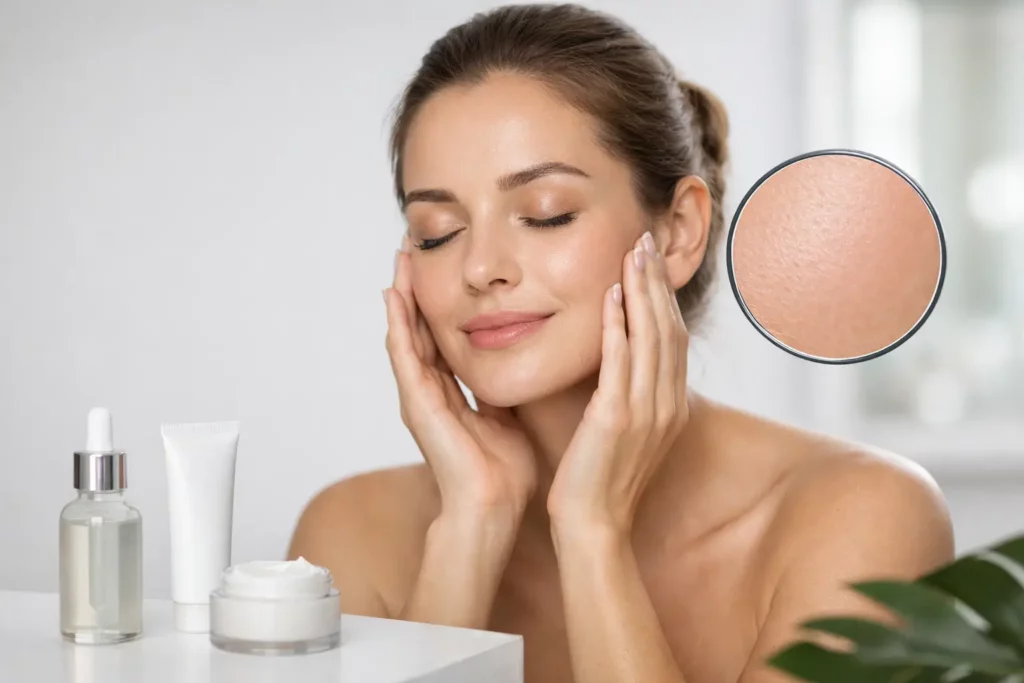
Skin can look dull, feel rough, or seem uneven even when you are doing all the “right” things. Fine lines, enlarged pores, acne marks, dehydration, sun exposure, and a buildup of dead skin cells can all change the way light reflects off the face. Learning how to improve skin texture starts with identifying what is actually causing the concern, rather than adding more products or chasing the latest treatment.
Table of Contents
ToggleFor many people, smoother-looking skin is not about a dramatic transformation. It is about restoring healthy function, supporting collagen, and choosing treatments that make sense for your skin, lifestyle, and goals.
What Skin Texture Really Means
Skin texture describes how smooth, even, and refined the skin looks and feels. It is often confused with skin tone, but they are different concerns. Tone relates to discoloration, such as dark spots or redness. Texture relates to the physical surface of the skin, including roughness, pores, fine lines, scars, bumps, and crepey areas.
Texture changes for many reasons. Natural collagen production declines with age, which can make pores appear more noticeable and skin less firm. Breakouts can leave behind uneven areas or acne scars. Sun exposure can thicken the outer layer of skin while accelerating collagen loss beneath it. Even a compromised moisture barrier can make the complexion look rougher and less luminous.
The right solution depends on whether your primary concern is dryness, congestion, scarring, early laxity, or a combination of concerns. That is why a one-size-fits-all routine rarely delivers the polished, healthy-looking result people want.
How to Improve Skin Texture at Home
A thoughtful home routine creates the foundation for every professional treatment. It will not erase deep acne scars or replace collagen-building procedures, but it can improve hydration, clarity, and the skin’s ability to respond well to in-office care.
Cleanse without stripping your skin
A tight, squeaky-clean feeling is not a sign that your cleanser is working better. It can mean the skin barrier has been stripped of protective oils, leaving skin more vulnerable to irritation and dehydration. Choose a cleanser appropriate for your skin type and use lukewarm water rather than hot water.
If you wear makeup, sunscreen, or live an active lifestyle, cleansing thoroughly in the evening matters. In the morning, some dry or sensitive skin types may do better with a gentle cleanse or a simple rinse, depending on their provider’s recommendation.
Use exfoliation with restraint
Exfoliation can help remove dull surface cells and make skin feel smoother, but more is not better. Overusing scrubs, acids, or exfoliating pads can trigger redness, flaking, breakouts, and a texture that looks worse instead of better.
Chemical exfoliants, such as alpha hydroxy acids or beta hydroxy acids, may be helpful for the right candidate. Alpha hydroxy acids are often used for dullness and surface roughness, while beta hydroxy acids can be useful for oily or congestion-prone skin. The ideal formula and frequency depend on your skin sensitivity, current routine, and whether you are receiving professional treatments.
Prioritize hydration and barrier support
Dehydrated skin can make fine lines, pores, and rough patches look more prominent. A quality moisturizer helps hold water in the skin and supports the barrier that protects it from environmental stressors. Look for a formula selected for your skin type rather than assuming oily skin does not need moisture.
Ingredients such as hyaluronic acid, ceramides, glycerin, and peptides may support a smoother, more comfortable appearance. Medical-grade prescription skincare can be especially valuable when concerns such as acne, pigmentation, or visible aging require a more targeted approach.
Wear sunscreen every day
Daily broad-spectrum SPF is one of the most meaningful ways to protect skin texture over time. UV exposure contributes to collagen breakdown, uneven texture, fine lines, discoloration, and loss of elasticity. Sunscreen is not only for beach days. It belongs in your daily routine, including during cloudy weather and while driving.
For best protection, use enough product to cover the face, neck, and other exposed areas, then reapply when you are outdoors for extended periods. If you are investing in skin rejuvenation, consistent sun protection helps protect that investment.
When Skincare Alone Is Not Enough
Topical products work primarily at or near the skin’s surface. They are valuable, but deeper concerns such as acne scarring, pronounced pores, laxity, and collagen loss may need a professional approach. The best treatment is not necessarily the most aggressive option. It is the one that addresses your specific concern while respecting your skin’s tolerance, downtime preferences, and long-term plan.
Microneedling for collagen support
Microneedling creates controlled microchannels in the skin to encourage the body’s natural collagen response. It can be an excellent option for patients who want to improve the appearance of fine lines, enlarged pores, mild textural irregularities, and certain acne scars without surgery.
Results develop gradually because collagen remodeling takes time. A series of treatments is often recommended, and the skin may look pink for a short period afterward. For appropriate candidates, PRP facial microneedling may be incorporated into a personalized plan. Platelet-rich plasma is prepared from your own blood and applied or used during treatment to support the skin’s recovery process.
Skin boosters for hydrated, radiant skin
When roughness is tied to dehydration and early changes in skin quality, a skin booster may be considered. Skinvive, for example, is designed to improve cheek skin smoothness through microdroplet injections of hyaluronic acid. It is not a volumizing filler, and it does not replace a good skincare routine. Instead, it may help the skin appear more hydrated and refined for the right patient.
This is a good example of why treatment selection matters. Someone with dehydration and fine crepiness may benefit from a different plan than someone whose main concern is pitted acne scarring or significant sun damage.
Treatments that support collagen over time
Collagen loss can contribute to thinner, less resilient skin and a less even-looking surface. Biostimulatory treatments such as Sculptra and PDO smooth threads may be considered when a provider determines that collagen support is appropriate. These treatments are not instant fixes, and they are not meant to create an overfilled appearance. Their value lies in a gradual, carefully planned approach to improving the skin’s underlying support.
A qualified medical provider should assess facial anatomy, skin quality, current volume, and your aesthetic goals before recommending injectable or thread-based treatment. Natural-looking results come from precision, restraint, and a plan tailored to the individual.
Avoid the Habits That Keep Texture From Improving
Sometimes the biggest obstacle is not a lack of treatment. It is a routine that keeps the skin in a cycle of irritation. Picking at blemishes, layering too many active ingredients, skipping moisturizer because of oiliness, and treating sunscreen as optional can all undermine progress.
Be cautious with viral skincare trends, especially aggressive at-home peels, harsh physical scrubs, and unregulated devices. A product that works beautifully for a friend may cause inflammation or breakouts for you. If your skin stings, burns, repeatedly flakes, or becomes more sensitive after adding a product, pause and seek professional guidance rather than pushing through.
Lifestyle also plays a supporting role. Quality sleep, smoking avoidance, stress management, balanced nutrition, and adequate hydration can influence the skin’s overall appearance. They cannot replace medical skincare or aesthetic treatments, but they can help create a healthier baseline.
Build a Plan Around Your Skin, Not a Trend
The most effective skin texture plan usually combines consistent home care with strategically chosen professional treatments. A person in their late 20s with post-acne texture may need a different approach than someone in their 50s concerned about thinning skin, fine lines, and loss of firmness. Skin tone, sensitivity, medical history, medication use, and upcoming events also affect what is safe and appropriate.
At DermAlign Medical Aesthetics, personalized consultations are designed to make those decisions clearer. A trained provider can evaluate what you are seeing in the mirror, explain realistic options, discuss expected recovery, and help you avoid spending money on treatments that do not match your skin’s needs.
Smooth, healthy-looking skin is rarely the result of one product or one appointment. It is the result of consistent care, thoughtful timing, and a plan that lets your skin improve without asking it to do too much at once.