Skip to content
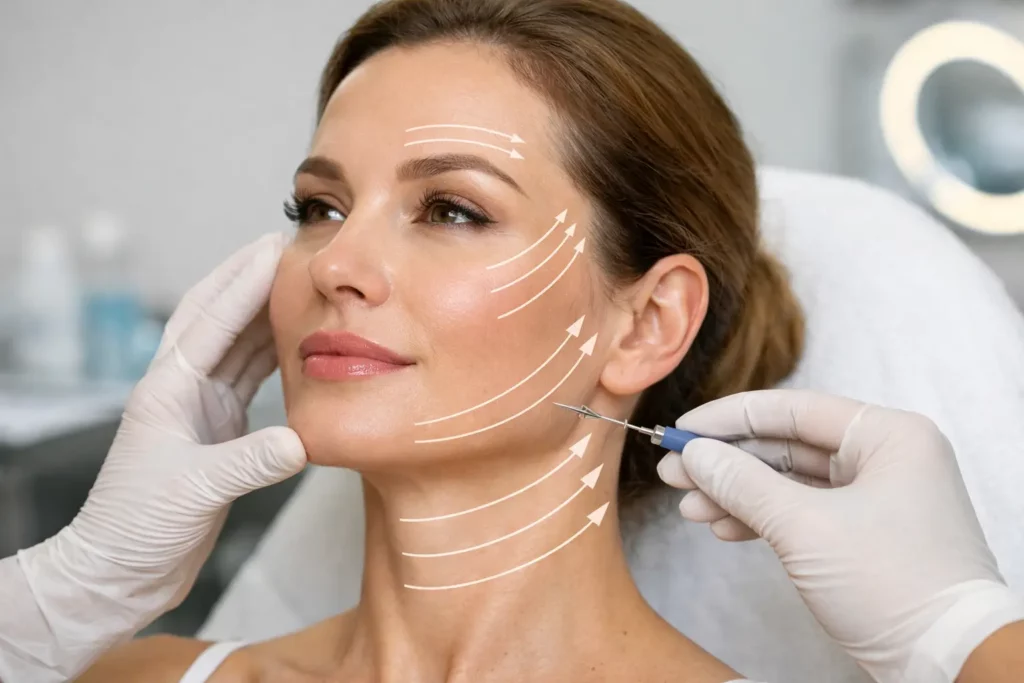
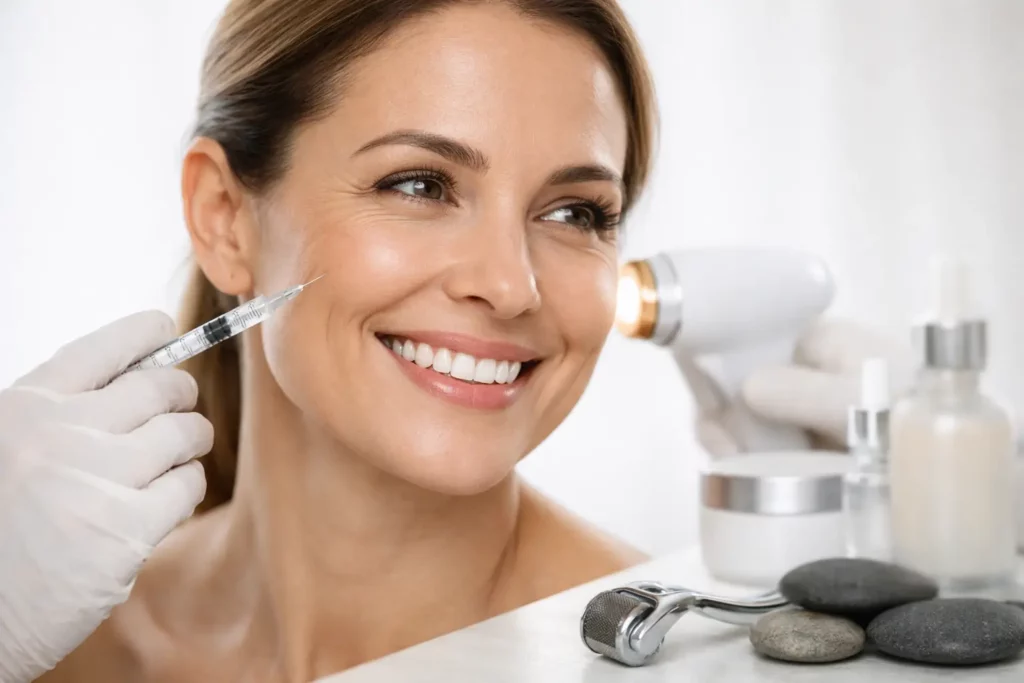
If you have looked in the mirror and thought, “I do not want surgery, but I do want a lift,” you are exactly the kind of person who asks what areas can be treated with PDO threads? It is a smart question, because threads are not a one-size-fits-all treatment. The best results come from matching the right type of thread to the right area, skin quality, and degree of laxity.
Table of Contents
TogglePDO threads are dissolvable sutures placed under the skin to create support, improve contour, and stimulate collagen over time. Some threads are designed to lift, while others are used more for skin texture and firmness. That distinction matters, because a jawline with early sagging is a different treatment plan than crepey skin under the eyes or loose skin on the neck.
What areas can be treated with PDO threads on the face?
The face is where PDO threads are most often used, and also where personalization matters most. A skilled injector will look at bone structure, skin thickness, facial movement, and how much lift is realistically possible without creating tension or an overdone result.
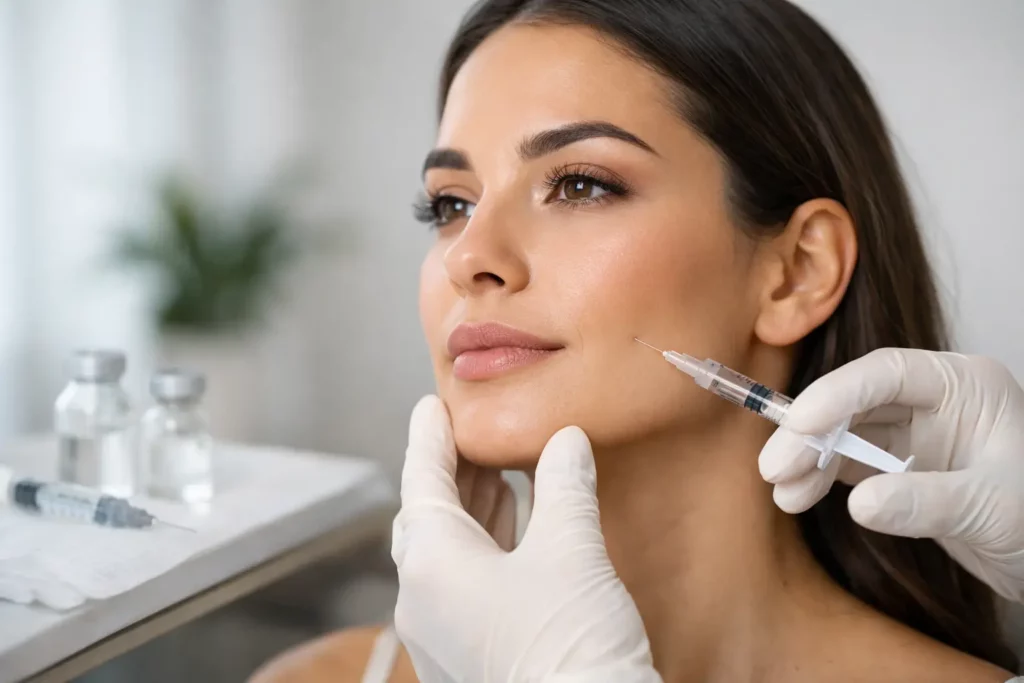
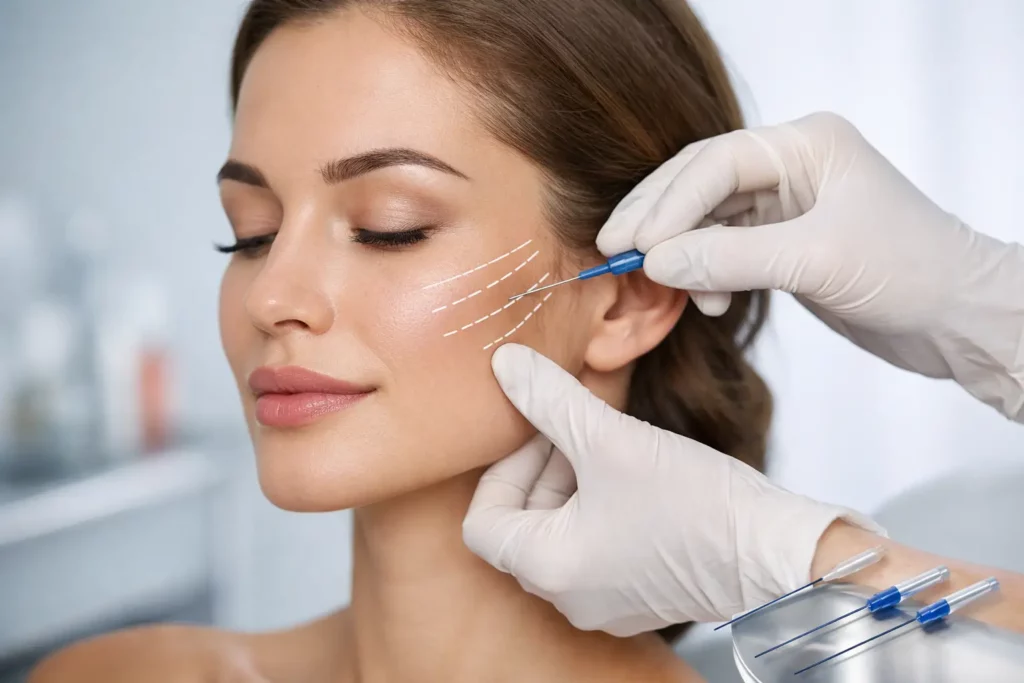
The cheeks are one of the most common treatment areas. When midface tissue begins to descend, the face can look heavier and more tired. In the right candidate, lifting threads placed through the cheek area can create a more supported, refreshed contour. This is often helpful for patients who want a subtle lift without the downtime and commitment of surgery.
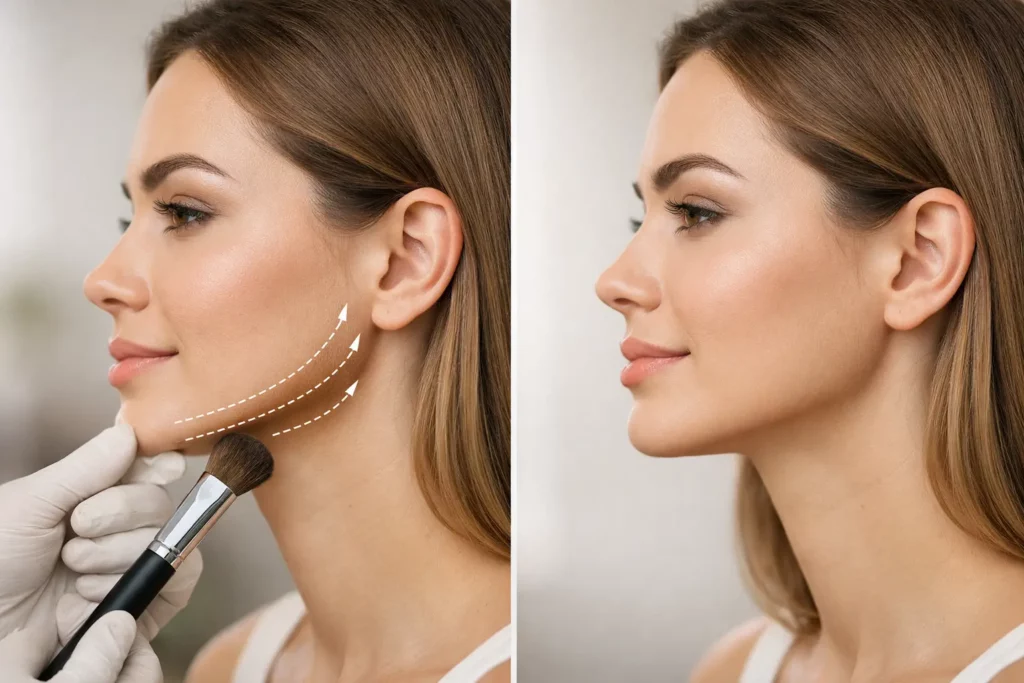
The jawline is another standout area. Threads can improve mild jowling, soften early loss of definition, and create a cleaner transition from face to neck. For many patients, this is the moment when they start noticing age-related changes, not because they look older overall, but because the lower face starts to lose structure.
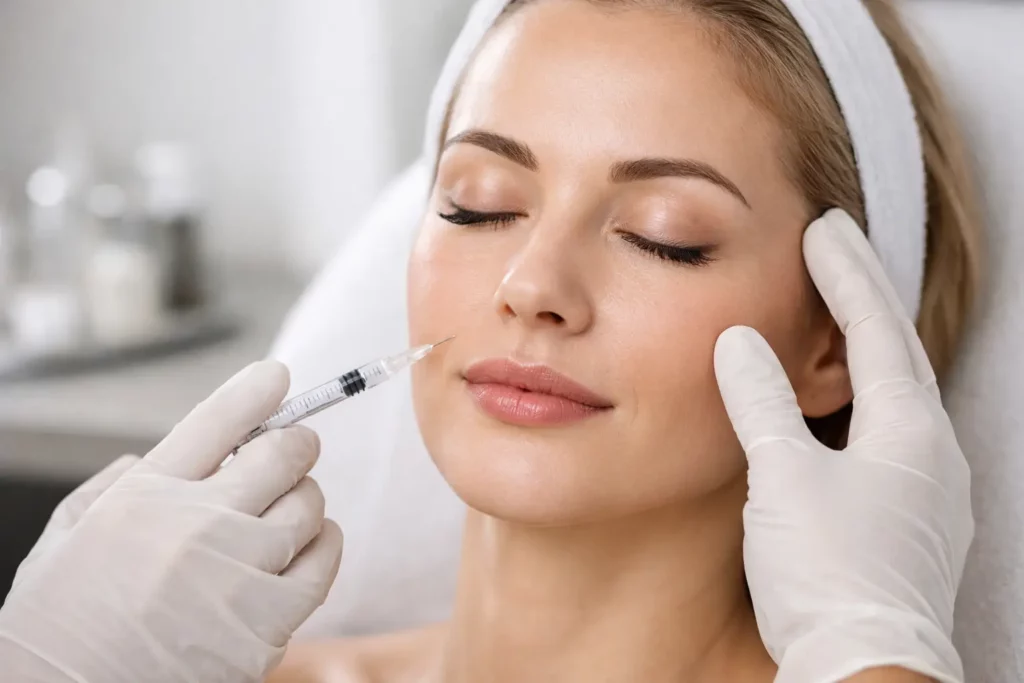
The lower face, including the marionette area and nasolabial region, may also benefit in select cases. Threads can help reposition tissue and reduce the appearance of heaviness, but they do not replace filler in every case. If the issue is more volume loss than sagging, another treatment may make more sense or work better in combination.
Brows and eyes
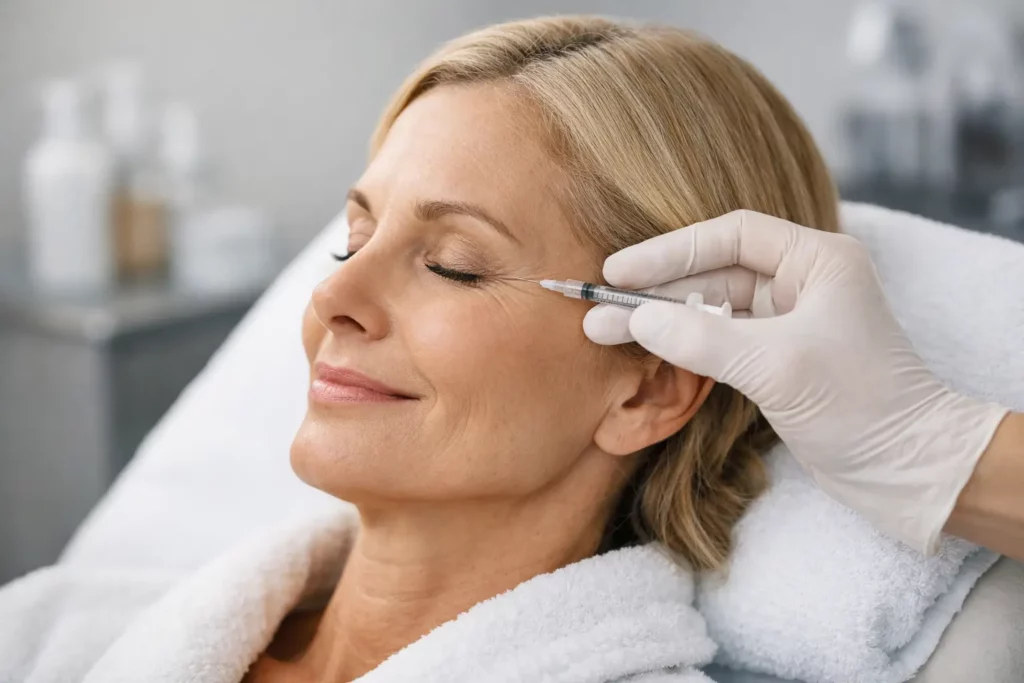
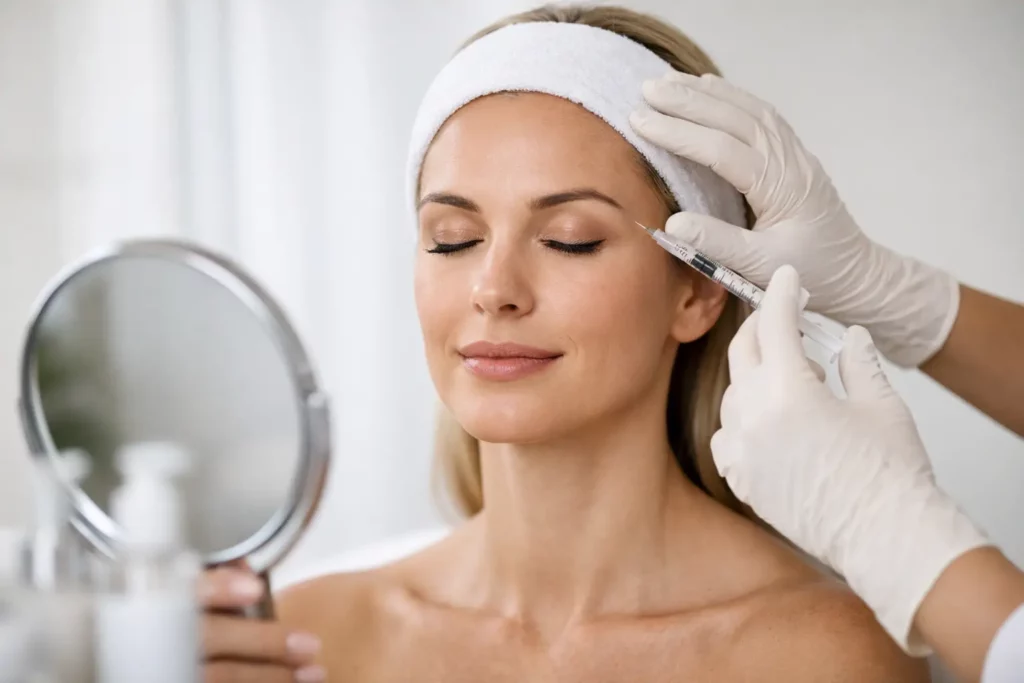
PDO threads can also be used around the upper face, especially for a subtle brow lift. This is popular with patients who feel their brows sit lower than they used to or who want a more open, rested appearance. A PDO thread brow lift can create a gentle elevation rather than a dramatic arch, which is often exactly the goal.
Around the eye area, smooth threads may be used to support collagen and improve fine crepey skin. This area requires precision and careful patient selection. The under-eye region is delicate, so the treatment plan must be conservative and anatomy-based.
Nose and upper lip area
In some practices, PDO threads are used to create subtle support in the nose or improve contour in very specific situations. That said, this is a highly specialized use and not appropriate for every patient. The same goes for the upper lip area, where smooth threads may sometimes be used to support fine lines, but expectations need to stay realistic.
What areas can be treated with PDO threads beyond the face?
The neck is one of the most requested non-surgical thread treatment areas. Loose skin, horizontal lines, and early banding can make the neck look older than the face. PDO threads may help improve firmness and create a more refined look, especially when skin laxity is mild to moderate. If someone is hoping to treat a so-called turkey neck without surgery, threads may be part of the answer, but not always the full answer.
The submental area under the chin can also be treated in the right patient. Threads can support tissue and sharpen contour, especially when paired with treatments that address excess fullness. If the concern is mostly skin laxity, threads may help. If the concern is fat under the chin, a provider may recommend another option first.
Some providers also use smooth PDO threads in areas such as the chest, around the knees, or other body zones where collagen stimulation is the primary goal. These uses are more about skin quality than lifting. They can be useful, but they are not interchangeable with a face or neck thread lift.
Lift threads vs smooth threads
When patients hear “PDO threads,” they often assume every thread does the same thing. It does not. Barbed lifting threads are designed to reposition tissue and create visible support. Smooth threads are usually placed in a mesh-like pattern to stimulate collagen and improve skin texture, crepiness, and mild laxity.
That is why treatment areas matter so much. A sagging jawline may call for lifting threads. Fine lines in the cheek or under-eye area may be better suited to smooth threads. In many cases, the most natural results come from combining approaches rather than trying to force one treatment to do everything.
Where PDO threads work best – and where expectations need to be realistic
PDO threads tend to work best for patients with mild to moderate skin laxity. If you still have decent skin elasticity and you are noticing early descent in the cheeks, jawline, brows, or neck, threads can be an excellent middle ground between injectables and surgery.
They are less effective when skin is very loose, heavy, or significantly sun-damaged. In those cases, threads may offer some improvement, but not enough to meet the patient’s goals. That is not a failure of the treatment. It simply means the anatomy calls for a different strategy.
This is where honest consultation matters. A trustworthy aesthetic provider will tell you when PDO threads are a strong option, when they should be paired with filler, biostimulators, or skin treatments, and when surgery would create a better outcome. Natural-looking results depend on that kind of transparency.
Combining PDO threads with other treatments
Threads are often most effective when they are part of a broader plan. If the cheeks have dropped and also lost volume, filler or Sculptra may help complete the result. If the neck looks crepey and sun-damaged, threads may improve support, but collagen-focused skin treatments may still be needed.
For some patients, neurotoxins help relax downward pull in certain facial muscles, which can support the final look. For others, skin quality treatments are the missing piece. The point is not to add treatments for the sake of adding them. It is to build a plan around the reason the area looks older in the first place.
At DermAlign Medical Aesthetics, that kind of one-on-one treatment planning is central to achieving results that look refined rather than obvious.
Are you a good candidate for PDO thread treatment?
A good candidate usually wants visible improvement without surgery, understands that results are not permanent, and values subtle, polished change over a dramatic transformation. Most patients considering threads want to look fresher, tighter, and more defined, not different.
You may be a strong candidate if you have early jowling, mild cheek descent, a softening jawline, a low brow, or neck laxity that is noticeable but not severe. You also need good skin quality and realistic expectations. Threads can lift and support, but they do not create the same level of correction as a surgical facelift or neck lift.
The best candidates are also comfortable with the idea that treatment may be layered. Sometimes one area improves beautifully with threads alone. Sometimes a better outcome comes from treating volume, skin texture, and muscle movement alongside the lift.
What to expect after treatment
Most thread treatments involve some swelling, tenderness, or bruising for a few days to a couple of weeks, depending on the area treated and the number of threads used. You may also feel a little tightness at first. That sensation typically settles as the tissue adjusts.
Results can be partly immediate, especially with lifting threads, but the collagen-building effect develops gradually. This is one reason patients appreciate PDO threads. The improvement often looks natural because it unfolds over time instead of changing the face all at once.
If you are asking what areas can be treated with PDO threads, the real answer is broader than many people expect: cheeks, jawline, brows, neck, under-chin area, and select areas focused on collagen support. The more useful question, though, is which of those areas should be treated for your anatomy, goals, and timeline. That is where expert assessment makes all the difference, and where a personalized plan can help you look better, feel better, and still look like yourself.