
A lot of patients ask this after hearing the word “threads” and immediately picturing a dramatic lift. That is not always what they are designed to do. If you are wondering what are smooth PDO threads, the short answer is that they are dissolvable collagen-stimulating threads placed just beneath the skin to improve texture, crepey skin, and mild laxity in a subtle, natural-looking way.
Smooth PDO threads are different from lifting threads. They do not have barbs or cones that grip tissue and reposition it. Instead, they are slender, smooth sutures made from polydioxanone, a material used safely in medicine for many years. Once placed in targeted areas, they create a supportive framework under the skin and trigger your body’s healing response, which encourages new collagen production over time.
That distinction matters because expectations matter. Smooth threads are usually chosen for skin quality and refinement, not a surgical-style lift. For the right patient, that can be exactly the appeal.
What are smooth PDO threads used for?
Smooth PDO threads are commonly used to address early to moderate signs of aging, especially when the skin looks thinner, looser, or more creased than it used to. They can be placed in areas that benefit from collagen support rather than added volume.
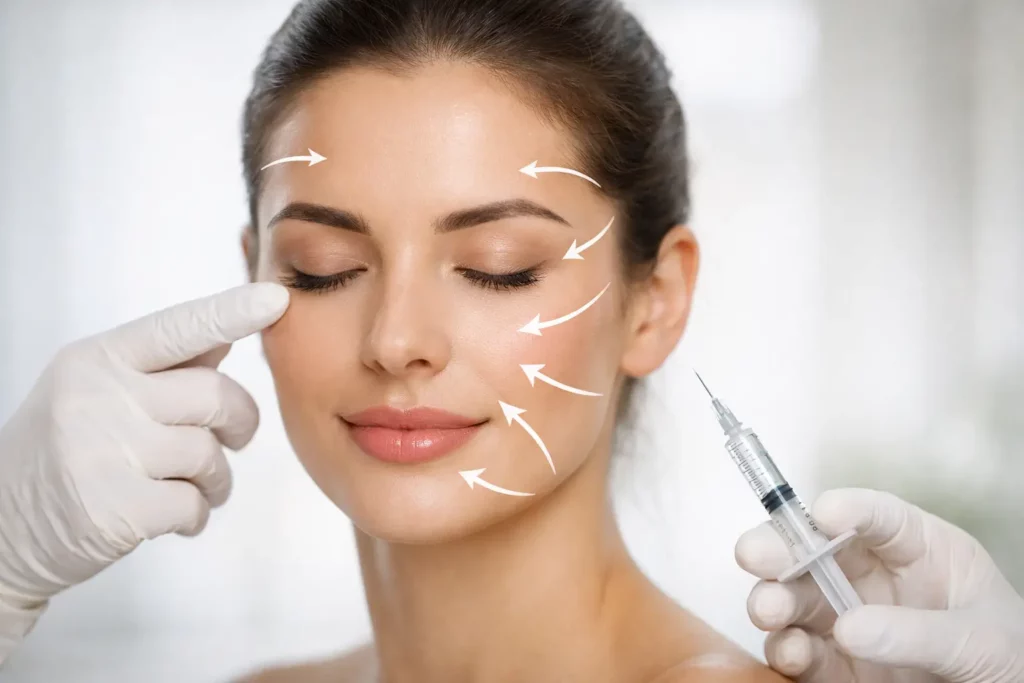
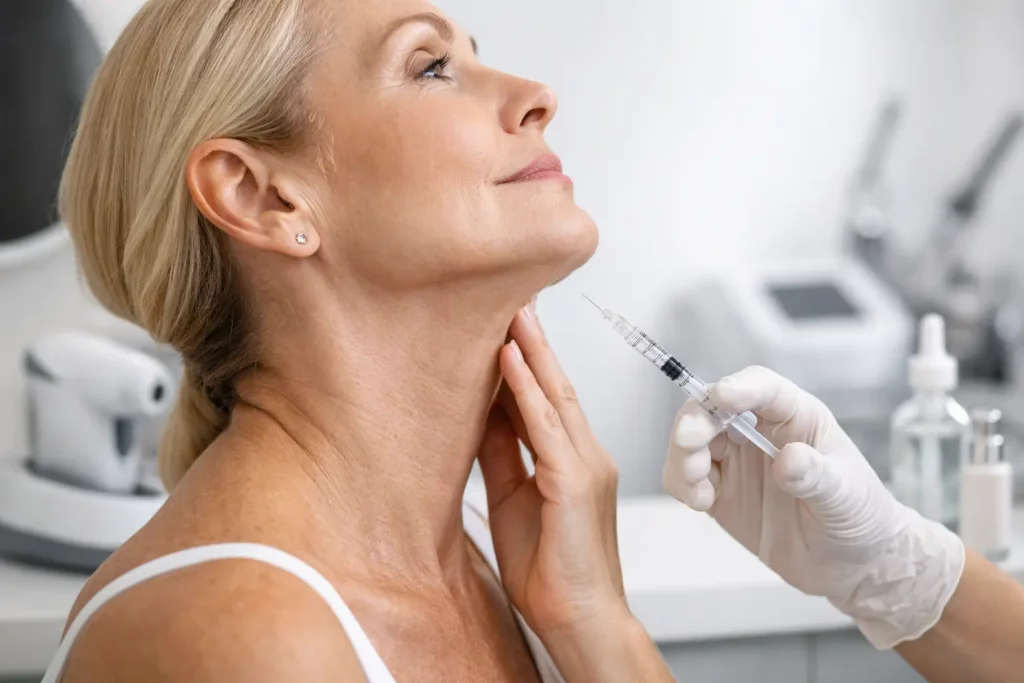
On the face, common treatment areas include the cheeks, around the mouth, jawline, under-eye area, and neck. They are also sometimes used for fine lines above the lips or to soften crepey skin in delicate areas. In some patients, smooth threads are layered in a mesh-like pattern to improve overall skin firmness and texture.
This is why they often appeal to patients who want visible improvement without looking overfilled or overdone. If your main concern is declining skin quality rather than significant sagging, smooth threads may be a better fit than filler alone.
How smooth PDO threads work
The threads themselves are temporary, but the response they create is the reason people seek them out. After the threads are inserted with a very fine needle or cannula, the body recognizes them as a stimulus for repair. Fibroblasts begin producing collagen around the area, which can gradually improve the skin’s thickness, elasticity, and firmness.
PDO threads dissolve naturally over time, usually within several months. The collagen-building effect, however, can last longer than the threads themselves. Results often continue to develop in the weeks and months after treatment, which is one reason this option tends to attract patients who prefer gradual, believable improvement.
It is not instant in the same way filler can be. You may notice a mild early improvement from tissue support and swelling, but the more meaningful change typically comes later as collagen develops.
Smooth threads versus lifting threads
This is one of the most important comparisons to understand before treatment. Both are made from dissolvable suture material, but they are designed for different goals.
Smooth PDO threads are primarily for collagen stimulation and skin rejuvenation. They help improve fine lines, crepey texture, and mild laxity. Lifting threads, on the other hand, have barbs or anchors that allow the provider to reposition tissue and create more noticeable lift in areas like the midface, jawline, or brows.
That does not mean one is better than the other. It depends on what you are trying to correct. A patient with early thinning skin and fine lines may benefit more from smooth threads. A patient with more visible descent in the cheeks or jowls may need lifting threads, filler, biostimulators, or a combination approach.
In many cases, the most natural results come from customizing treatment rather than forcing one option to do everything.
Who is a good candidate?
The best candidate for smooth PDO threads is usually someone who wants subtle rejuvenation and understands that this treatment is about improvement, not dramatic transformation. Patients in their 30s through 60s often consider smooth threads when they start noticing skin laxity, etched-in lines, or a tired texture that skincare alone is not correcting.
You may be a good fit if you want to support collagen, improve crepey or thinning skin, and maintain a refreshed appearance without surgery. You may also be a good fit if you prefer a treatment plan built around natural-looking progress.
There are also times when smooth threads may not be the best answer. If you have significant skin laxity, heavier jowling, or a lot of volume loss, threads alone may leave you underwhelmed. Patients with certain medical conditions, active skin infections, or healing concerns may need to postpone treatment or choose another option.
This is where an in-person consultation matters. A well-trained provider should tell you not only when smooth threads can help, but also when another treatment would make more sense.
What treatment feels like
Most patients are surprised by how manageable the appointment is. The treatment area is cleansed, marked, and numbed before the threads are placed. Depending on the area and the number of threads used, the appointment is often relatively quick.
You may feel pressure, tugging, or a slight pinching sensation, but it is generally well tolerated. Because smooth threads are not designed to pull tissue dramatically, the experience is often less intense than patients expect when they hear the word “thread.”
Afterward, some swelling, tenderness, bruising, or a tight feeling is normal. These effects are usually temporary. Your provider may ask you to avoid strenuous exercise, aggressive facial massage, and certain sleeping positions for a short period to protect the treatment area while it settles.
What kind of results should you expect?
Smooth PDO threads are known for subtlety. Skin may look a bit firmer, smoother, and more refreshed over time, especially in areas that appeared crepey or lax before treatment. The goal is often better skin behavior, not a dramatically altered face.
How much improvement you see depends on your starting point, skin quality, age, lifestyle, and whether the treatment is combined with other services. Patients who smoke, have extensive sun damage, or have more advanced laxity may see less dramatic change than someone treating earlier signs of aging.
In many practices, smooth threads work best as part of a broader plan. They may be paired with microneedling, PRP, neurotoxins, dermal filler, or biostimulatory treatments depending on the concern. At DermAlign Medical Aesthetics, treatment planning is individualized because skin aging rarely happens in just one layer.
How long do smooth PDO threads last?
The threads dissolve, but the collagen response continues beyond that point. Many patients enjoy improvement for several months, and some notice benefits closer to a year depending on the area treated and their body’s collagen response.
Maintenance matters. Smooth threads are often not a one-and-done treatment if your goal is long-term skin support. Some patients choose periodic follow-up sessions to maintain firmness and collagen stimulation over time.
That may sound like a drawback, but for many patients it is actually a benefit. Maintenance-based treatments can be easier to build into a realistic aesthetic plan than waiting until changes become severe.
Are smooth PDO threads safe?
When performed by a qualified medical professional with proper training, smooth PDO threads are generally considered safe. As with any aesthetic procedure, technique matters. Anatomy matters. Sterility matters. Patient selection matters.
Possible side effects include swelling, bruising, soreness, asymmetry, or temporary irregularities in the skin. More serious complications are less common but can happen, especially in inexperienced hands. That is why medical oversight and transparent consultation are so important.
A reputable provider should review your goals, medical history, expected outcome, recovery, and any limitations before recommending treatment. If a treatment is presented as risk-free or universally appropriate, that is a red flag.
What are smooth PDO threads not good at?
They are not a substitute for surgery when there is significant laxity. They are not meant to replace volume in areas that need filler or biostimulatory injectables. They are not the best treatment for every line, every fold, or every patient.
This is where honest guidance can save you time and money. Sometimes patients come in asking for threads when what they really need is volume restoration, skin resurfacing, or a lifting approach. Sometimes the opposite is true. The best outcomes usually come from matching the treatment to the actual cause of the concern.
Smooth PDO threads can be a very elegant option, but they work best when they are used for what they do well.
The real appeal of smooth PDO threads
For many patients, the appeal is not that anyone will notice they had something done. It is that they look more rested, their skin looks stronger, and makeup sits better. They still look like themselves, just less tired and less creased.
That makes smooth PDO threads especially attractive to people who want non-surgical rejuvenation with a natural finish. They offer a middle ground between topical skincare and more aggressive intervention, and for the right patient, that middle ground can be exactly where confidence starts to return.
If you have been curious about collagen-building treatments and want a plan that respects both your features and your comfort level, smooth PDO threads are worth discussing with a provider who prioritizes precision, education, and realistic results.