Skip to content

Hair usually does not thin all at once. It shows up in the brush, at the part line, around the temples, or in photos where your scalp suddenly seems more visible than it used to. If you are asking, can PRP help thinning hair, the honest answer is yes for the right patient – but it is not a one-size-fits-all fix, and the details matter.
Table of Contents
TogglePRP hair restoration has become a popular option because it is non-surgical, uses your own blood-derived growth factors, and can support stronger, healthier hair growth without the downtime of a transplant. For many patients, especially those in the earlier stages of thinning, it can be a smart part of a personalized treatment plan. The key is understanding what PRP can do, what it cannot do, and whether your pattern of hair loss makes you a strong candidate.
How PRP works for hair thinning
PRP stands for platelet-rich plasma. During treatment, a small sample of your blood is drawn and processed to concentrate the platelets. That concentrated plasma is then injected into areas of the scalp where hair is thinning.
Platelets contain growth factors that may help stimulate sluggish hair follicles, improve scalp circulation, and support a healthier environment for hair growth. In simple terms, PRP is not creating brand-new follicles. It is working with the follicles you still have and encouraging them to perform better.
That distinction is important. PRP tends to work best when hair follicles are weakened or miniaturized, not when they are completely inactive for a long period of time. If you still have thinning hair in an area, PRP may help improve density and thickness. If an area has been fully bald and smooth for years, results are usually much less promising.
Can PRP help thinning hair in every case?
No, and this is where an experienced consultation matters.
Hair thinning can happen for different reasons. Some people are dealing with androgenetic alopecia, often called male or female pattern hair loss. Others may notice shedding after stress, illness, rapid weight loss, hormone shifts, or nutritional deficiencies. Some scalp conditions can also affect growth.
PRP is often most helpful for pattern hair loss and early-to-moderate thinning, particularly when the goal is to preserve existing hair, improve thickness, and slow progression. It may also support recovery in cases of increased shedding, depending on the cause. But if thinning is driven by untreated thyroid disease, iron deficiency, active scalp inflammation, or another medical issue, PRP alone may not give you the outcome you want.
That is why a quality evaluation should never feel rushed. The treatment plan should reflect your pattern of loss, the health of your scalp, your timeline, and your expectations.
What kind of results can you realistically expect?
Most patients should think of PRP as an improvement treatment, not a miracle treatment.
The best outcomes tend to look natural. Hair may appear fuller, the part may look narrower, shedding may decrease, and styling can become easier because there is more support at the root. Some patients notice increased thickness rather than dramatic new growth, which still makes a meaningful cosmetic difference.
Results are gradual. Hair grows slowly, so visible change takes time. Many patients begin to notice less shedding first, followed by improvement in texture or density over the next few months. Full response often requires a series of treatments and maintenance over time.
The degree of improvement varies. Patients who start earlier usually do better than those who wait until thinning has advanced significantly. Your age, hormones, genetics, stress levels, and overall health also play a role.
What the treatment experience is like
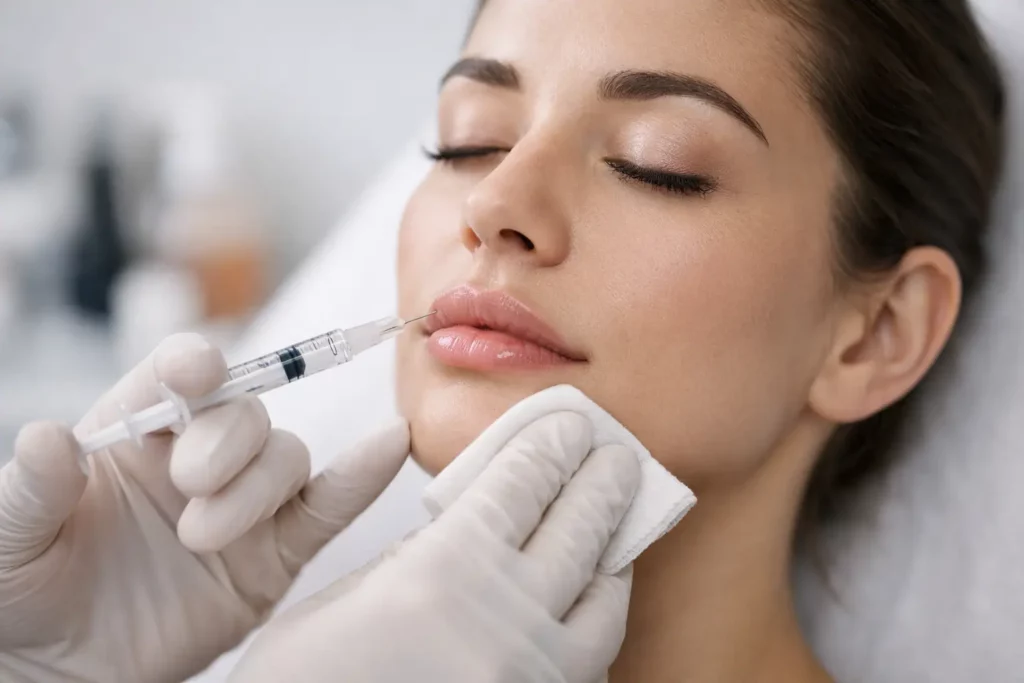
PRP hair restoration is typically performed in the office and does not require surgery or general anesthesia. The process starts with a blood draw. The blood is spun in a centrifuge to separate and concentrate the platelet-rich plasma, which is then injected into targeted areas of the scalp.
Because the scalp is sensitive, most patients describe the injections as tolerable but not exactly relaxing. Comfort measures can help. The appointment itself is usually straightforward, and downtime is minimal. You may have mild tenderness, pinpoint redness, or a tight feeling in the scalp for a day or two.
Many people return to normal activities quickly, which is part of the appeal. It fits well for busy professionals, parents, and anyone who wants a treatment plan with very little interruption to daily life.
How many sessions are usually needed?
This is one of the most common questions, and the answer depends on your starting point.
PRP is rarely a one-and-done treatment. Most patients need an initial series spaced over several weeks, followed by maintenance sessions to support results. Hair loss is ongoing for many people, especially when genetics are involved, so maintenance matters.
If someone is expecting one session to permanently reverse years of thinning, they are likely to be disappointed. If they understand PRP as a regenerative treatment that works progressively and benefits from consistency, expectations are much more realistic.
A well-designed plan should also include timing guidance, follow-up, and honest discussion about whether combination therapy would improve the outcome.
When PRP works better with other treatments
For some patients, PRP is strongest as part of a broader strategy.
Hair thinning is not always best treated with a single modality. Depending on the cause and severity, your provider may discuss combining PRP with medical-grade scalp care, microneedling, topical therapies, supplements when appropriate, or physician-guided options that support hair retention. In some cases, PRP can also complement hair transplant care rather than replace it.
This does not mean everyone needs a complicated regimen. It means personalization matters. A patient with mild postpartum shedding has different needs than someone with long-term androgenetic hair loss and temple recession. The right plan should match the biology, not just the trend.
Who is a good candidate for PRP hair restoration?
In general, PRP may be a good fit if you have early signs of thinning, visible miniaturization, or increased shedding and want a non-surgical option with minimal downtime. It also appeals to patients who want a treatment that uses their own natural growth factors.
You may be a stronger candidate if you still have active follicles in the treatment area. The earlier you address thinning, the more options you usually have.
You may be a less ideal candidate if there is extensive long-standing baldness, significant scarring alopecia, certain blood disorders, active infection, or an untreated medical reason for hair loss. Some medications and health conditions can also affect candidacy.
This is where medical oversight adds real value. A thoughtful provider should be willing to say when PRP is a good investment and when another route would serve you better.
Questions worth asking before you commit
If you are considering treatment, ask how your hair loss pattern affects expected results, how many sessions are recommended, when you should expect visible improvement, and what maintenance will likely look like. You should also ask whether PRP alone makes sense for you or whether combination therapy is more realistic.
Transparent answers matter. So does technique. The quality of the consultation, the preparation process, the injection approach, and the provider’s experience all influence the patient experience and, potentially, the outcome.
For patients in Langhorne, Bucks County, Montgomery County, and nearby New Jersey, choosing a practice that combines medical credibility with personalized care can make the process feel far less overwhelming. At DermAlign Medical Aesthetics, that one-on-one approach is central to helping patients make informed decisions about treatments that support natural-looking results.
So, can PRP help thinning hair?
Yes – when the diagnosis is right, the follicles are still viable, and the treatment plan is realistic.
PRP can be an excellent option for patients who want to address thinning before it progresses further, especially if they value a non-surgical approach and are willing to commit to a series and maintenance. It is not the right answer for every kind of hair loss, and it is not magic. But in the right setting, it can make hair look fuller, healthier, and stronger in a way that feels like you, just with more confidence.
If your hair has started to change, waiting rarely improves the situation. A personalized evaluation can give you something more useful than hope or hype – a clear plan based on what your scalp and follicles are actually telling us.