Skip to content
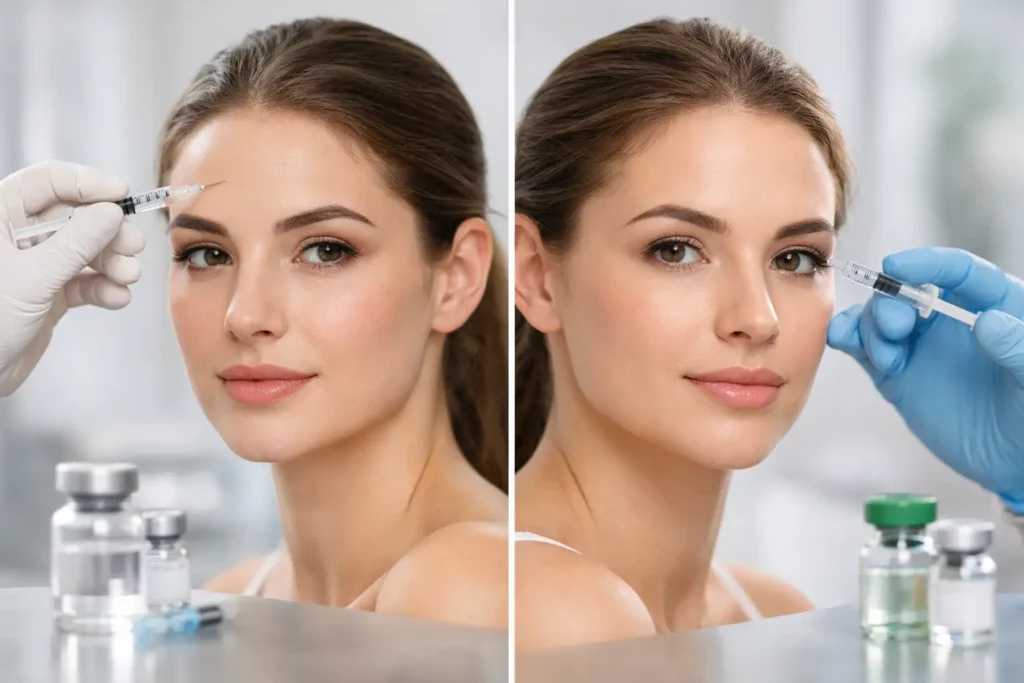
A softened frown line can make a face look more rested without changing the way it expresses joy, concern, or surprise. That is the goal behind a well-planned neurotoxin treatment. When considering Botox vs Dysport differences, the right choice is rarely about which name is “better.” It is about your facial anatomy, muscle movement, treatment history, goals, and the injector’s plan for a natural-looking result.
Table of Contents
ToggleBoth Botox Cosmetic and Dysport are trusted prescription neuromodulators used to temporarily relax targeted facial muscles. They can reduce the appearance of dynamic lines – the wrinkles formed by repeated expression – including frown lines, forehead lines, and crow’s feet. Their similarities are real, but their formulations, dosing, and treatment behavior are not identical.
Botox vs Dysport Differences at a Glance
Botox Cosmetic and Dysport are both made with botulinum toxin type A. When injected precisely, each treatment interrupts the signal between a nerve and a selected muscle. The muscle relaxes, allowing overlying expression lines to soften while helping prevent deeper creasing over time.
The main distinctions involve how the products are formulated, how their units are measured, how they may diffuse in tissue, and how quickly some patients notice early changes. These differences can influence an injector’s product selection and placement strategy, but they do not create a universal winner.
Most patients can expect results from either treatment to last roughly three to four months. Some people experience a longer or shorter duration based on their metabolism, muscle strength, dosage, treatment area, and consistency with maintenance appointments.
Units are not interchangeable
One of the most misunderstood Botox vs Dysport differences is dosing. Botox and Dysport use different unit measurements, which means one unit of Botox is not equal to one unit of Dysport. A treatment that uses a higher number of Dysport units is not automatically stronger, more expensive, or more dramatic.
For this reason, comparing services based only on the number of units can be misleading. A meaningful comparison considers the treatment area, the patient’s muscle activity, the product used, and the clinical plan. Transparent pricing should always be paired with an explanation of what is being treated and why.
Dysport may feel faster for some patients
Many patients report seeing early Dysport changes within two to three days, while Botox Cosmetic may begin to show within several days. However, both products typically continue developing over the following one to two weeks. Individual response varies enough that onset should not be the only reason to choose one over the other.
If you have an event approaching, timing matters more than chasing the fastest possible onset. Scheduling treatment about two weeks before an important occasion gives your result time to settle and allows for an assessment if an adjustment is clinically appropriate.
Diffusion can influence treatment planning
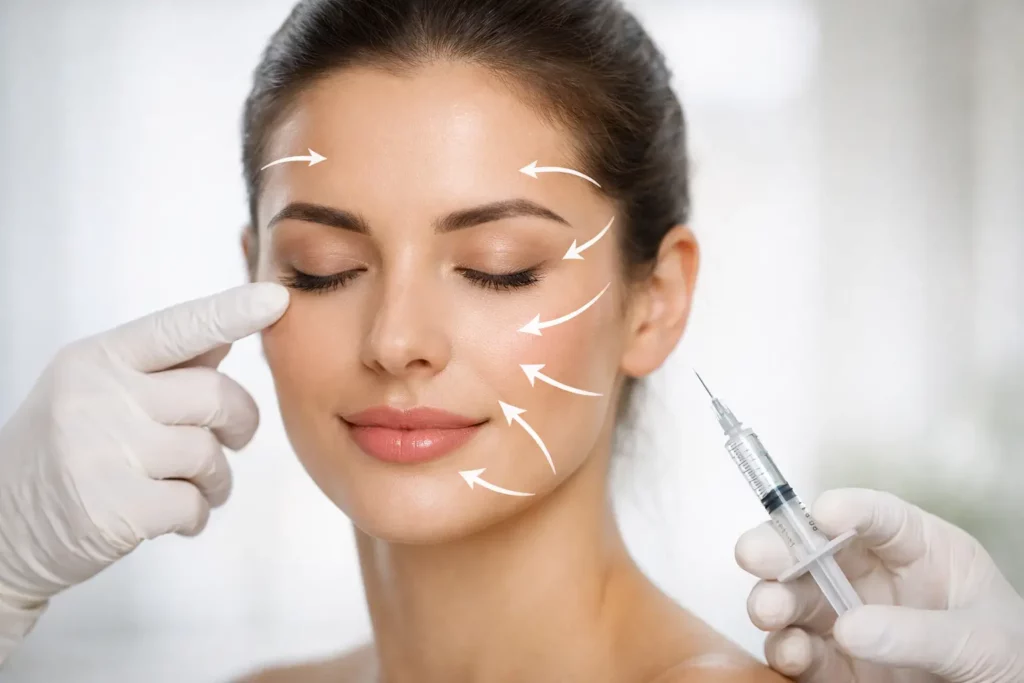
Dysport is often described as having a broader diffusion pattern. In practical terms, an experienced injector may consider it useful for a larger, strong muscle area, such as the glabella between the brows. Botox Cosmetic can also be an excellent choice across multiple facial areas when placed with precision.
Diffusion is not a shortcut to better results. Product behavior depends on dilution, dose, injection depth, placement, and the patient’s own anatomy. Around delicate areas, including the eyes and brows, thoughtful technique matters far more than a product label.
Which Areas Can Botox and Dysport Treat?
Both neurotoxins are commonly used to soften frown lines, horizontal forehead lines, and crow’s feet. Depending on the patient and provider’s clinical assessment, they may also be used for carefully selected aesthetic concerns such as a subtle brow lift effect, bunny lines, chin dimpling, lip lines, masseter muscle slimming, or a lip flip.
Not every area is appropriate for every person. For example, someone with a naturally low brow or eyelid heaviness may need a more conservative forehead approach than someone with a high, active forehead. A plan copied from a friend or social media post cannot account for those differences.
At DermAlign Medical Aesthetics, a one-on-one consultation is designed to evaluate your resting expression and your movement before selecting a product and treatment pattern. The goal is not to erase every line. It is to soften what bothers you while preserving balance and expression.
What the Appointment Feels Like
A neurotoxin appointment is typically straightforward and efficient. Your provider reviews your health history, asks about prior injectable experiences, examines your facial movement, and discusses what you would like to improve. This is the moment to be clear about whether you want a subtle refresh, a more polished appearance, or help managing a particularly strong frown.
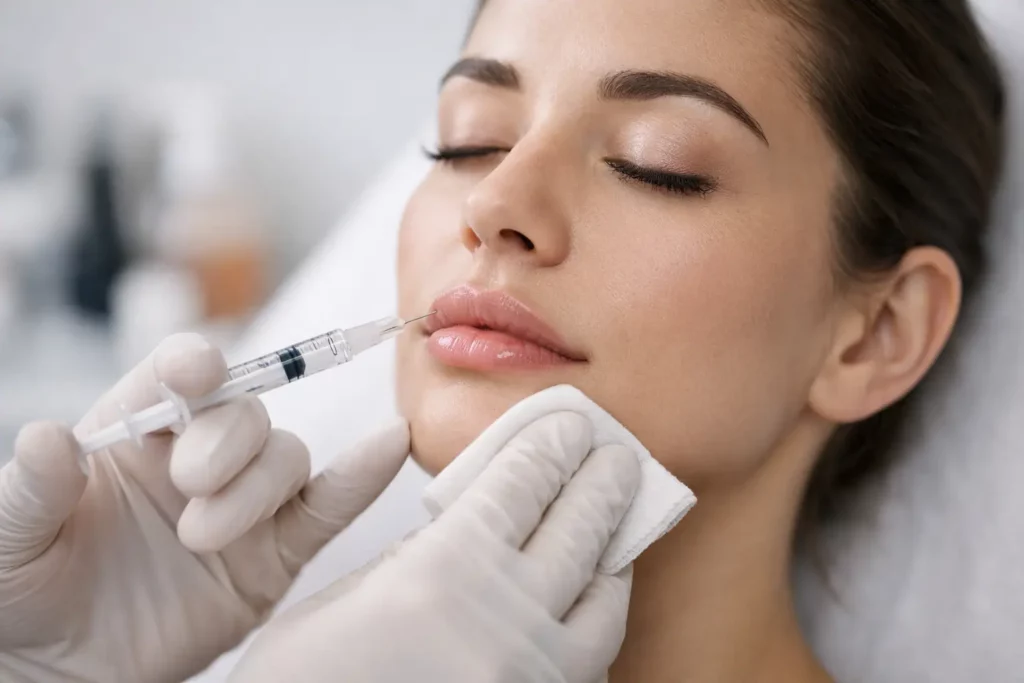
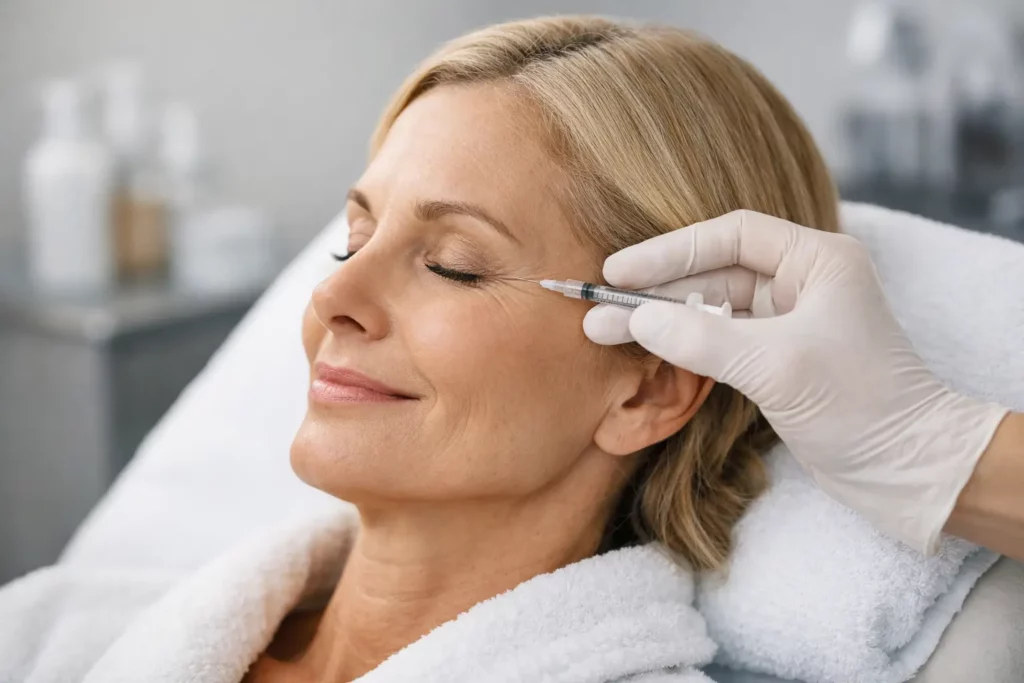
The injections themselves are performed with a very fine needle and generally take only minutes. Most patients describe brief pinching rather than significant discomfort. Small raised areas or pinpoint redness may appear immediately afterward, but they usually resolve quickly.
Your provider will give individualized aftercare instructions. In general, patients are often advised to remain upright for several hours, avoid rubbing or massaging the treated area, and postpone strenuous exercise for the rest of the day. Following your specific instructions helps protect the precision of the treatment plan.
Safety, Side Effects, and the Value of Medical Expertise
Botox Cosmetic and Dysport have established safety profiles when prescribed and administered appropriately. Still, they are medical treatments, not casual beauty services. Choosing a qualified, experienced medical injector is essential.
Common temporary effects can include redness, tenderness, swelling, or bruising at injection sites. Less common complications may include asymmetry, an unwanted brow or eyelid change, headache, or results that are weaker or stronger than expected. These outcomes are often connected to anatomy, product placement, or dose, which is why detailed assessment and conservative technique are so valuable.
Tell your provider about all medications and supplements, previous toxin treatments, allergies, neuromuscular conditions, and any history of facial surgery. Botox Cosmetic and Dysport may not be appropriate during pregnancy or breastfeeding, with certain neuromuscular disorders, or when there is an infection at the planned injection site. A medical consultation should determine whether treatment is right for you.
How to Choose Between Botox and Dysport
Your past experience can offer useful clues. If you have loved your result with Botox Cosmetic, there may be no reason to switch simply because Dysport is available. If you have found that one product takes longer to show or does not last as expected, your provider may discuss trying another option or adjusting the treatment plan.
For first-time patients, the better question is not “Which toxin should I request?” Ask, “Which option best fits my facial movement and goals?” A skilled provider may recommend Botox Cosmetic for one patient and Dysport for another, even when both are treating the same concern.
It also helps to set realistic expectations. Neurotoxins improve movement-related lines, but they do not replace lost facial volume, resurface skin texture, or fully treat etched-in wrinkles at rest. Some patients benefit from a broader plan that may include medical-grade skincare, microneedling, dermal filler, collagen-stimulating treatments, or other non-surgical options.
A Refreshed Look Should Still Look Like You
The most successful injectable result is rarely the one that announces itself. It is the one that makes you look rested, polished, and confidently like yourself. Whether Botox Cosmetic or Dysport is the better fit, the difference comes down to an individualized approach, precise technique, and an honest conversation about what your face needs – not a one-size-fits-all formula.
A thoughtful consultation gives you the space to ask questions, understand pricing and maintenance, and make a decision that feels informed before treatment begins.