Most patients do not ask first about lifting or collagen. They ask a more honest question – do PDO threads hurt? If you are considering a thread lift for the jawline, cheeks, brows, or neck, that question matters. The good news is that most people describe PDO threads as more strange than painful, especially when the treatment is performed with proper numbing, careful technique, and a personalized plan.
Do PDO threads hurt during treatment?
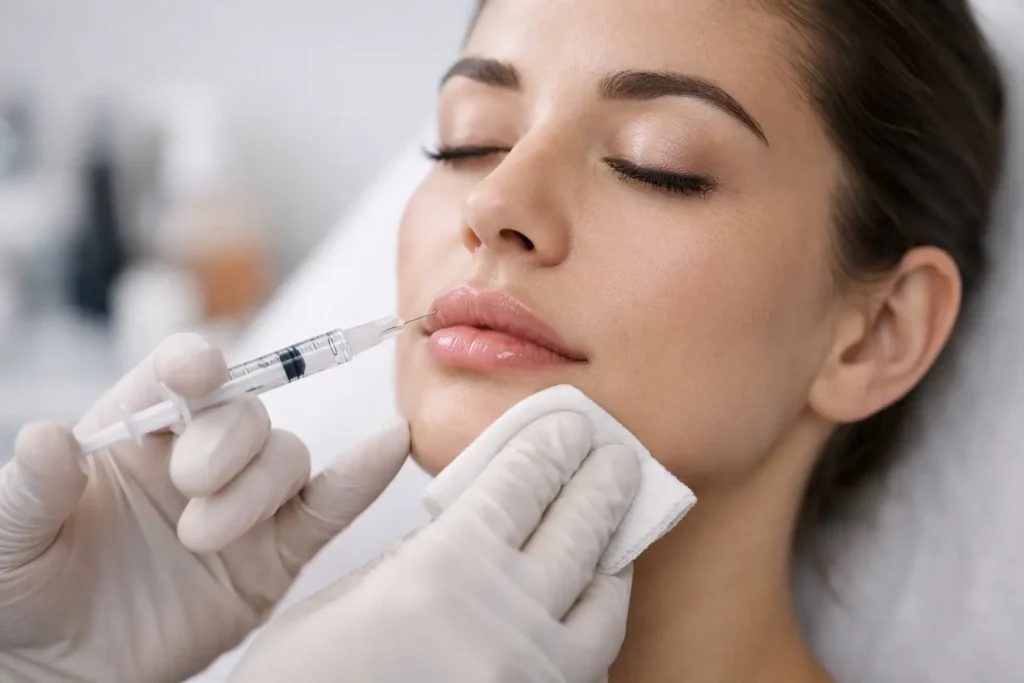
In most cases, discomfort is very manageable. Before any threads are placed, a numbing agent is used to reduce sensation in the treatment area. Depending on the area being treated and the treatment plan, your provider may use topical numbing, local anesthetic, or both. That step makes a major difference.
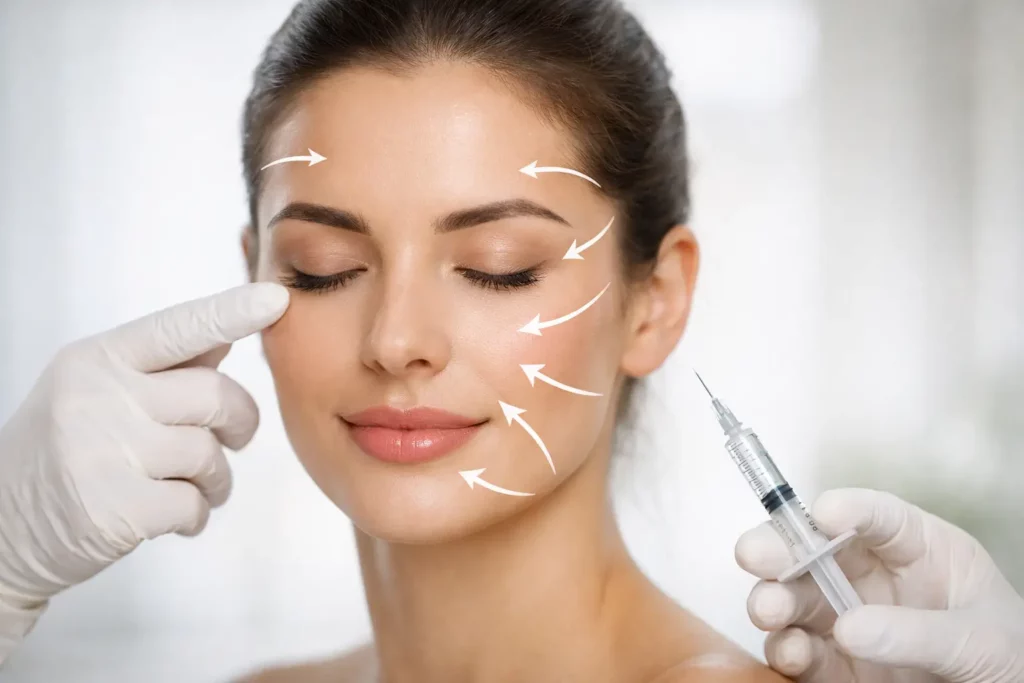
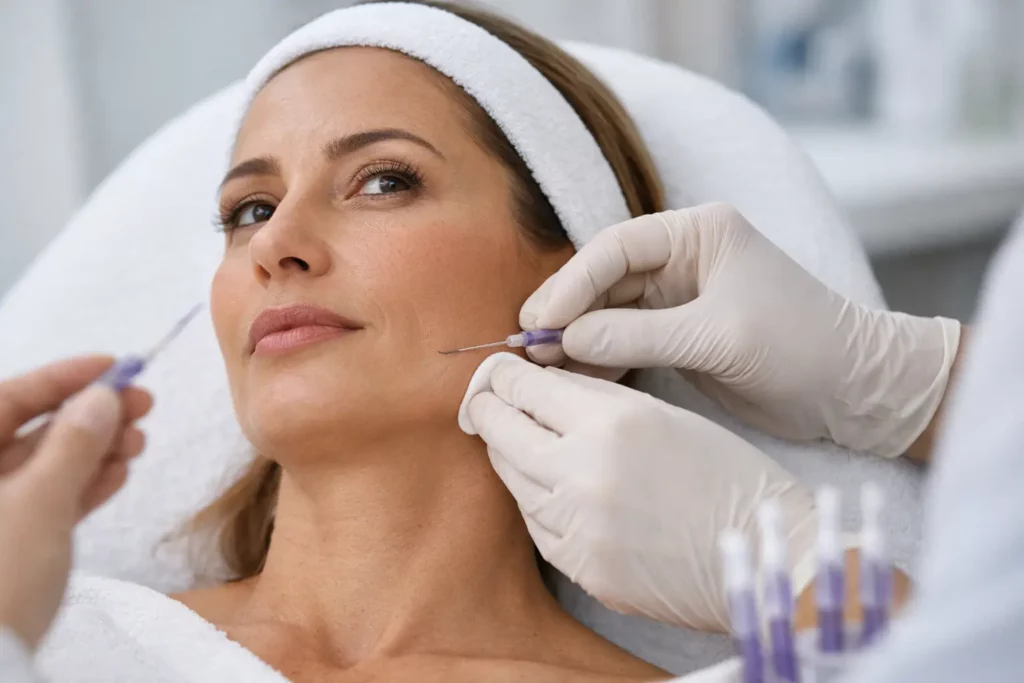
Once the area is numb, patients usually feel pressure, pulling, or a quick pinching sensation rather than sharp pain. The feeling can be unusual because threads are placed beneath the skin to create support and stimulate collagen over time. You may notice movement or tension as the thread is guided into position, particularly in areas like the lower face or brow. It can feel odd, but odd is not the same as painful.
Pain tolerance varies, of course. Someone who breezes through lip filler may still feel anxious about threads because the treatment sounds more invasive. Another patient may find PDO threads easier than expected because the numbing is effective and the procedure is relatively quick. The right answer is not that it never hurts. It is that, for most patients, the discomfort is brief and well controlled.
What PDO threads actually feel like
A realistic expectation helps people feel calmer going in. During placement, the most common sensations are pressure, tugging, tightness, and brief tenderness at entry points. If lift threads are used, you may feel more pulling than you would with smooth threads, because the goal is to create support in areas with laxity.
Different areas of the face and neck can feel different. Brow threads may create a quick, tight sensation because the skin in that region is thinner and more sensitive. Jawline or lower face threads can feel like deep pressure. Neck treatments may feel slightly more tender because that area moves often and can be more reactive afterward.
If anything feels truly sharp during treatment, you should say so. A skilled provider wants that feedback and can adjust numbing or technique right away. Good aesthetic care should never rely on patients simply tolerating avoidable pain.
Why some patients feel more discomfort than others
There is no single pain score for PDO threads because several factors affect the experience. The type of thread matters. Smooth threads that are placed to support collagen usually feel less intense than lifting threads designed to reposition tissue.
The treatment area matters too. Thin, mobile, or highly expressive areas may be more sensitive. Your anatomy also plays a role. Patients with less tissue coverage in certain areas may feel more pressure during placement, while those with inflamed or sensitive skin may notice tenderness more easily.
Anxiety can also amplify discomfort. That is not imaginary. When people are tense, every sensation feels louder. A calm setting, thoughtful pacing, and clear communication can make a treatment feel significantly easier.
This is one reason consultation quality matters. When your provider explains what you will feel, where you may feel it, and how discomfort will be managed, the experience tends to feel more predictable and less stressful.
Does the recovery hurt more than the procedure?
For many patients, soreness after the appointment is more noticeable than the procedure itself. Once the numbing wears off, it is common to feel tenderness, tightness, or mild aching for a few days. Some patients describe it as feeling like they had dental work, slept awkwardly, or did a workout with facial muscles they did not know they had.
Bruising and swelling can happen, and those side effects can make the area feel more sensitive. You may also feel a little tightness when smiling, chewing, opening your mouth wide, or turning your head if the neck was treated. That is usually temporary.
Recovery discomfort is typically most noticeable in the first few days and then gradually improves. Some tenderness can linger longer, especially if multiple threads were placed or if stronger lift threads were used. Most people are not dealing with severe pain. They are dealing with manageable soreness and temporary awareness of the treated area.
What helps make PDO threads more comfortable?
Comfort starts before the first thread is placed. Provider skill matters a great deal. Precise placement, a strong understanding of anatomy, and an individualized plan can reduce unnecessary trauma and improve the entire experience.
Good numbing is another major factor. Patients often assume all providers numb the same way, but that is not always true. Thoughtful pain management can change the treatment from intimidating to very tolerable.
After treatment, simple aftercare makes a difference. Following instructions carefully helps minimize inflammation and irritation. That usually includes avoiding pressure on the face, limiting strenuous activity for a short period, and being mindful with chewing, sleeping position, and facial movements.
It also helps to schedule treatment at a practical time. If you have a major event the next day, even mild swelling or soreness may feel more stressful than it otherwise would. Giving yourself a little recovery space is part of a comfortable experience too.
When discomfort is normal and when it is not
Some soreness, tightness, swelling, and bruising are expected. Mild asymmetry early on can happen too, since tissue settles and healing takes time. Temporary tenderness at entry points is common.
What is not normal is severe pain that worsens instead of improving, marked swelling that appears suddenly, or skin changes that concern you. Pain should trend in the right direction. If something feels distinctly off, you should contact your provider rather than guessing.
That is one advantage of choosing a medically supervised aesthetic practice that emphasizes follow-up and patient education. You want more than a procedure. You want clinical judgment before, during, and after treatment.
How PDO threads compare to other aesthetic treatments
If you have had Botox or filler, you may be wondering where threads fall on the comfort scale. Botox is usually faster and simpler, with very brief needle pinches. Filler can cause stinging or pressure, depending on the area. PDO threads often feel more involved because there is more tissue manipulation, even though the area is numbed.
That said, threads are still far less intense than surgical lifting procedures. There is no general anesthesia, no surgical dissection, and usually much less downtime. For patients who want visible support without surgery, that trade-off often feels worthwhile.
The best comparison is not whether threads are completely painless. Few aesthetic treatments are. The better question is whether the level of discomfort is reasonable for the result and manageable with proper care. For many patients, the answer is yes.
Are PDO threads worth it if you are worried about pain?
If pain is the main reason you are hesitating, it helps to separate fear from reality. PDO threads can sound intimidating because the name itself feels clinical and the idea of threads under the skin is easy to overthink. In practice, most patients tolerate treatment well when they are treated by an experienced provider who uses effective numbing and sets realistic expectations.
They may be worth considering if you want subtle lifting, better definition, or collagen support but are not ready for surgery. They may not be the right choice if you want dramatic surgical-level lifting, if you have very low tolerance for temporary tightness, or if your anatomy would benefit more from another approach.
That is why a personalized consultation matters. A strong provider will not push threads just because you asked about them. They should assess your skin quality, degree of laxity, treatment goals, and comfort level, then recommend what makes sense for you.
At DermAlign Medical Aesthetics, that conversation is part of the value of care itself. Patients want results, but they also want to feel informed, respected, and comfortable at every step.
The bottom line on pain and PDO threads
So, do PDO threads hurt? They can be uncomfortable, but for most patients they are very tolerable with the right numbing, technique, and aftercare. You are more likely to feel pressure, pulling, and short-term soreness than significant pain.
If you are curious about thread lifting, the smartest next step is not to brace for the worst. It is to ask detailed questions, understand your options, and choose a provider who treats comfort and safety as part of the result. When you know what to expect, the treatment usually feels far less intimidating – and much more approachable.