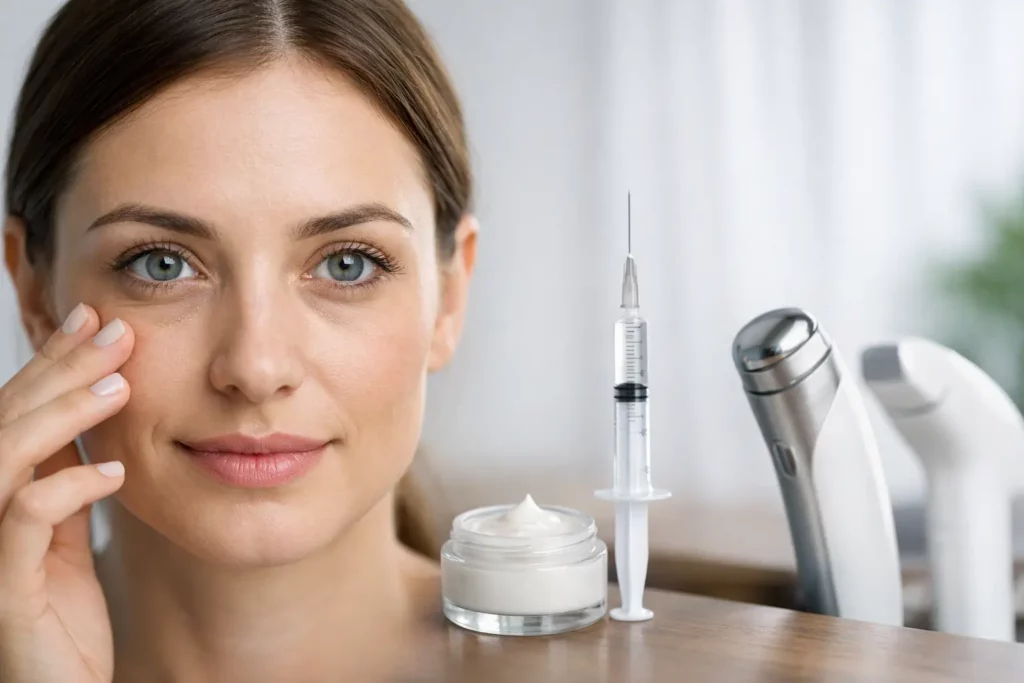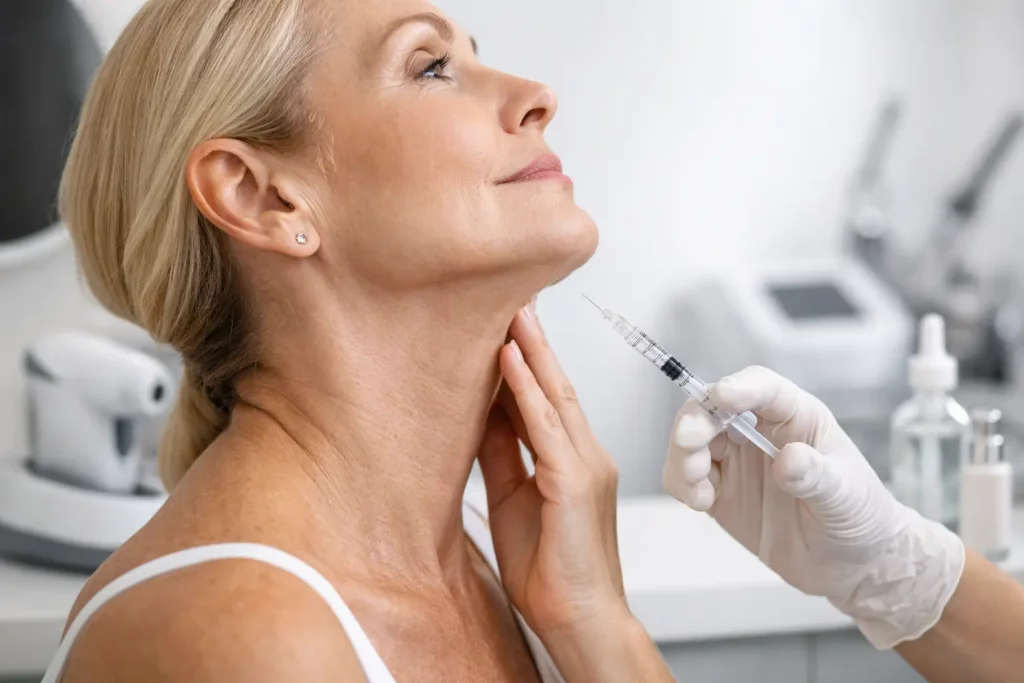

You may not feel ready for surgery, but you may also know that skincare alone is no longer doing the job. When the jawline looks softer, the cheeks seem flatter, or the lower face starts to feel heavier, a nonsurgical face lift can offer a meaningful middle ground – visible rejuvenation without the downtime, scars, or commitment of a surgical facelift.
That said, this term covers more than one treatment. A true non-surgical lifting plan is rarely a single syringe or one quick appointment. In most cases, the best result comes from combining techniques that address structure, skin quality, and facial balance in a way that looks refreshed rather than overdone.
What a nonsurgical face lift really means
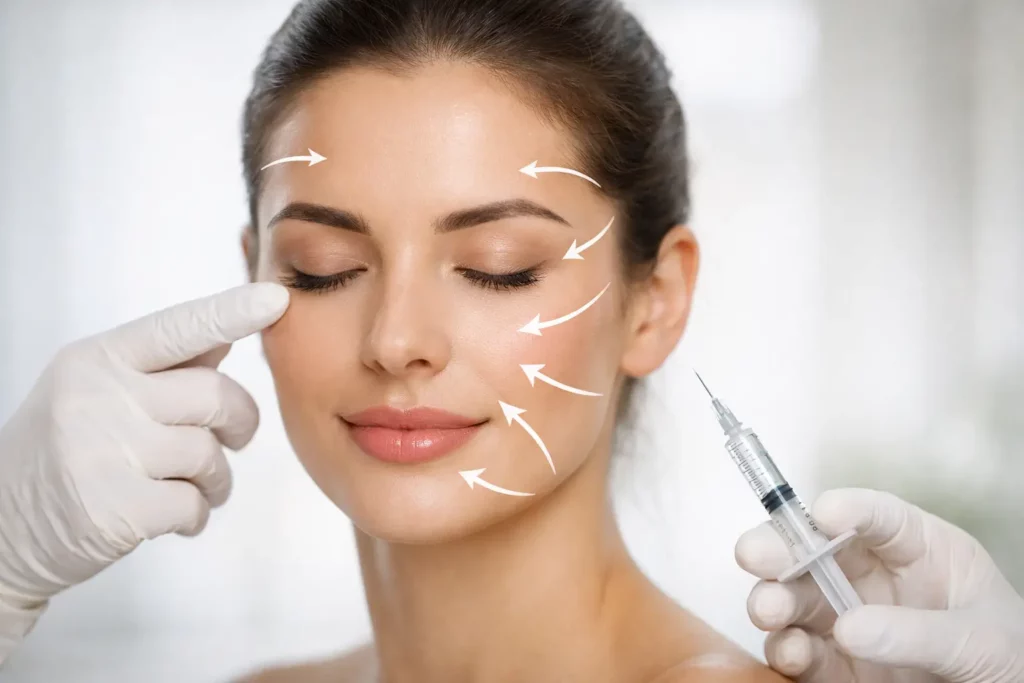
A nonsurgical face lift is a customized approach to improving facial laxity, contour, and overall definition without surgery. Depending on your anatomy and goals, that may include dermal fillers to restore support, PDO threads to create lift, biostimulators such as Sculptra to encourage collagen, neurotoxins to soften downward pull, and skin-rejuvenating treatments that improve texture and firmness.
The reason customization matters is simple. Facial aging is not just about loose skin. It often involves volume loss in the cheeks and temples, changes around the mouth, skin thinning, reduced collagen, and shifting fat pads. If only one concern is treated, the outcome can look incomplete. If the plan is designed thoughtfully, the face can look more rested, defined, and naturally younger.
For many patients, the appeal is not just avoiding surgery. It is also about control. Non-surgical options allow gradual change, strategic maintenance, and treatment plans that can evolve over time.
Who is a good candidate for a nonsurgical face lift?
The best candidates are usually people with mild to moderate signs of facial aging who want improvement but do not need, want, or are not yet ready for surgical correction. This includes early jowling, cheek deflation, loss of jawline definition, mild skin laxity, and a tired or heavy appearance that does not match how you feel.
Age alone is not the deciding factor. A patient in their 30s may want early structural support and collagen stimulation, while someone in their 60s may be more focused on softening sagging and restoring facial proportions. Skin quality, bone structure, degree of laxity, and your tolerance for downtime all matter.
The honest answer is that not everyone is an ideal candidate. If the skin is very loose or the lower face and neck have advanced sagging, surgery may provide a more dramatic and longer-lasting result. A quality consultation should make that clear. The goal is not to force a non-surgical solution where it will underdeliver. It is to recommend the option that fits your face, your timeline, and your expectations.
Treatments commonly used in a nonsurgical face lift
Dermal fillers for support and contour
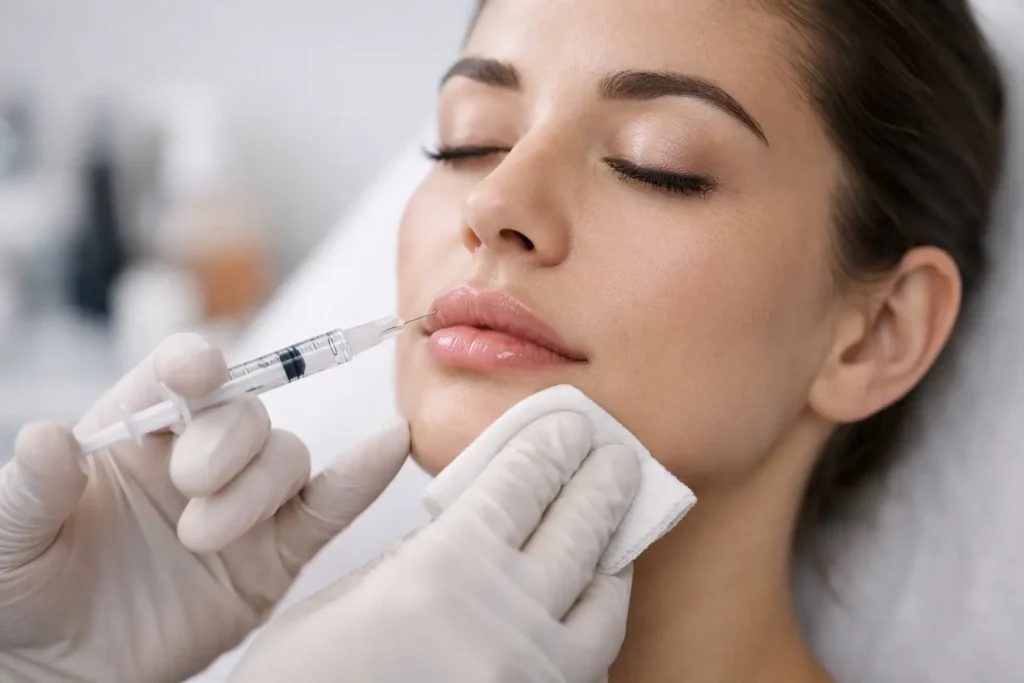
Fillers do more than add volume. When placed with precision, they can restore structural support in the cheeks, temples, jawline, and chin. That support can create a lifting effect by improving the framework of the face.
This works especially well for patients whose aging is driven in part by volume loss. A flatter midface can make the lower face appear heavier. Rebuilding that foundation often improves facial harmony without making the face look puffy. The key is restraint, anatomy knowledge, and choosing placement based on proportion rather than chasing lines one by one.
PDO threads for mechanical lift
PDO threads are often the treatment people picture when they hear the phrase non-surgical lift. These dissolvable threads are placed under the skin to reposition tissue and create a subtle but noticeable lifting effect. They can be especially helpful in the midface, jawline, brows, and certain neck concerns.
Threads are not a replacement for surgery, but they can be an excellent option for the right patient. Results tend to be most satisfying when laxity is mild to moderate and when threads are used as part of a broader treatment plan, not as a stand-alone fix for advanced sagging.
Collagen stimulators for longer-term improvement
Biostimulatory treatments such as Sculptra and smooth PDO threads work differently from traditional filler. Rather than simply filling an area, they stimulate your body to produce collagen over time. This can improve firmness, support, and skin quality in a gradual, very natural-looking way.
These treatments appeal to patients who want subtle progression instead of a sudden shift. They also pair well with other modalities because they help strengthen the skin and underlying tissue quality that contribute to a more youthful look.
Neurotoxins and skin-rejuvenation treatments
A refined nonsurgical face lift may also include Botox, Dysport, Jeuveau, or Xeomin to relax muscles that pull the face downward or create heavy expression lines. Small changes in muscle balance can open the eyes, soften the lower face, and make the overall result look more polished.
Microneedling, PRP facial treatments, and medical-grade skincare can also play an important role. They do not lift tissue the way threads or fillers can, but they improve the canvas. Better texture, tone, and elasticity often make lifting treatments look even better.
What results can you realistically expect?
A nonsurgical face lift can make you look fresher, more rested, and better defined. It can improve cheek shape, jawline contour, lower-face heaviness, and certain signs of laxity. It can also create a more balanced transition between the eyes, midface, and mouth so the face appears more youthful overall.
What it usually does not do is replicate the dramatic skin tightening of surgery. If your expectation is to remove significant loose skin from the face or neck, non-surgical treatment may feel underwhelming. If your goal is natural-looking improvement with less downtime and more flexibility, it can be a very smart choice.
This is where provider judgment matters. The best outcomes come from honest planning and from knowing when to say, this will help, but this will not do everything.
How long does a nonsurgical face lift last?
That depends on the treatments used, your metabolism, your skin quality, and how your face ages over time. Fillers may last several months to well over a year depending on the product and placement. PDO threads create an earlier lifting effect, while collagen stimulation may continue to develop after the threads dissolve. Sculptra results build gradually and can last longer with proper maintenance.
Most patients should think in terms of maintenance rather than a one-time fix. The advantage is that upkeep can often be tailored. Some people prefer small, periodic appointments instead of a major procedure with a longer recovery.
Why treatment planning matters more than trends
The biggest mistake in aesthetic medicine is treating a trend instead of treating a face. One patient may benefit most from cheek support and chin balancing. Another may need thread lifting and skin tightening support. Someone else may be better served by dissolving old filler and starting fresh with a more strategic plan.
At DermAlign Medical Aesthetics, that individualized approach is what makes non-surgical rejuvenation feel elevated rather than transactional. A consultation should never feel like a preset package. It should feel like a clear, one-on-one conversation about anatomy, options, pricing, timing, and what kind of result will look beautiful on you.
Questions to ask before moving forward with a nonsurgical face lift
Before booking treatment, ask how the provider plans to address lift, volume, and skin quality together. Ask what result is realistic in one session and what may require staged treatment. Ask how long results typically last, what downtime to expect, and whether your anatomy makes you a better candidate for filler, threads, collagen stimulation, or a combination.
Most importantly, ask what the provider would not recommend for you. That answer says a great deal about their clinical judgment.
A well-designed nonsurgical face lift is not about chasing a different face. It is about restoring shape, support, and confidence in a way that still looks like you – just more rested, more defined, and more in sync with how you want to show up.