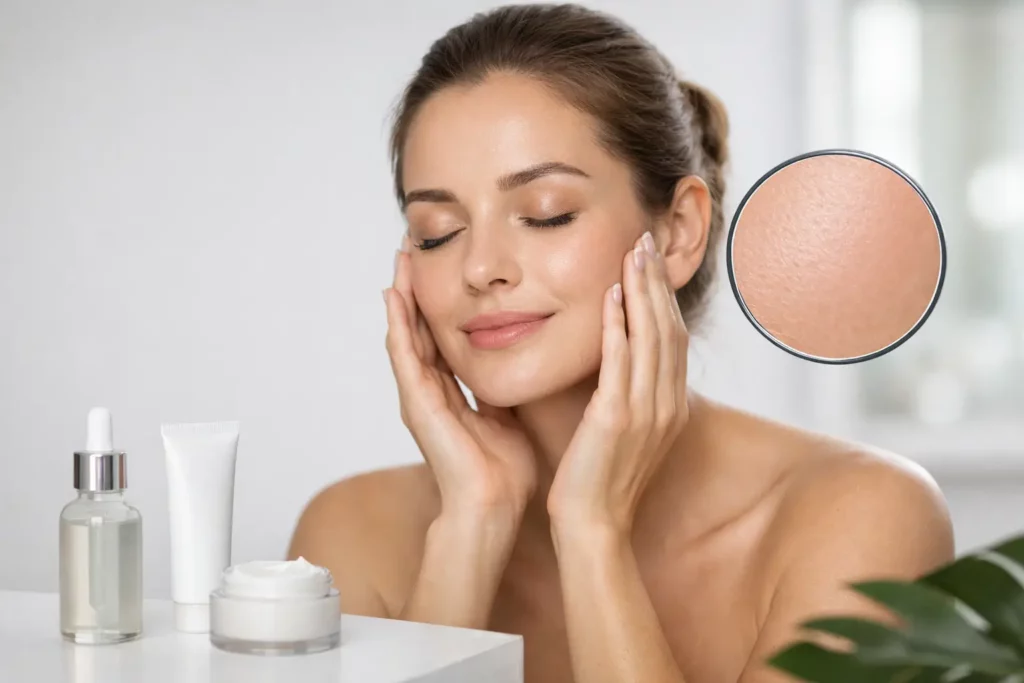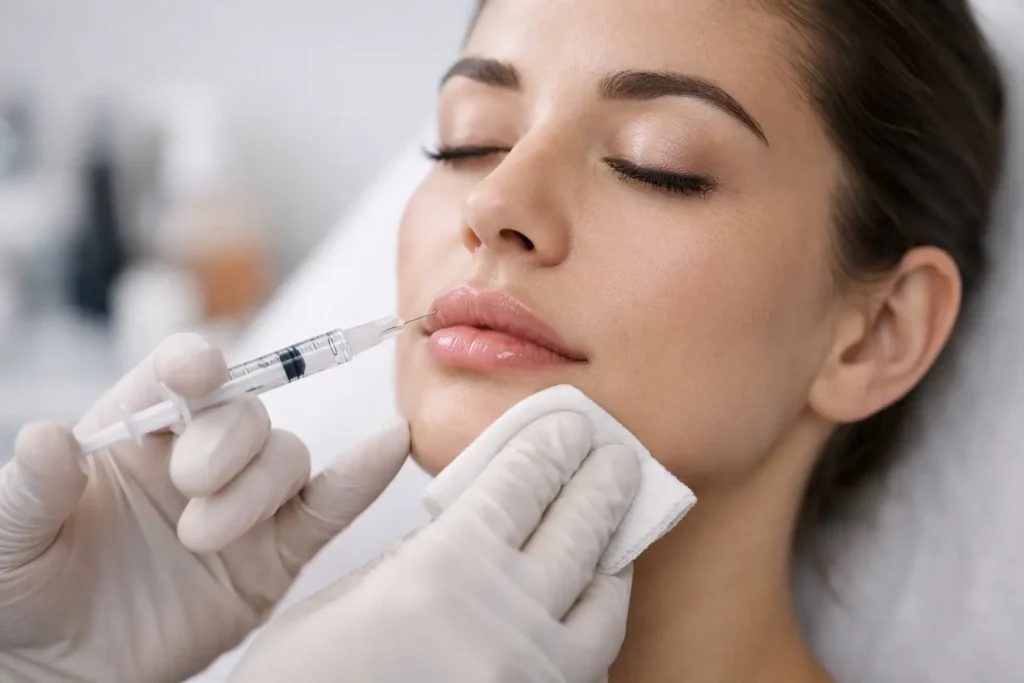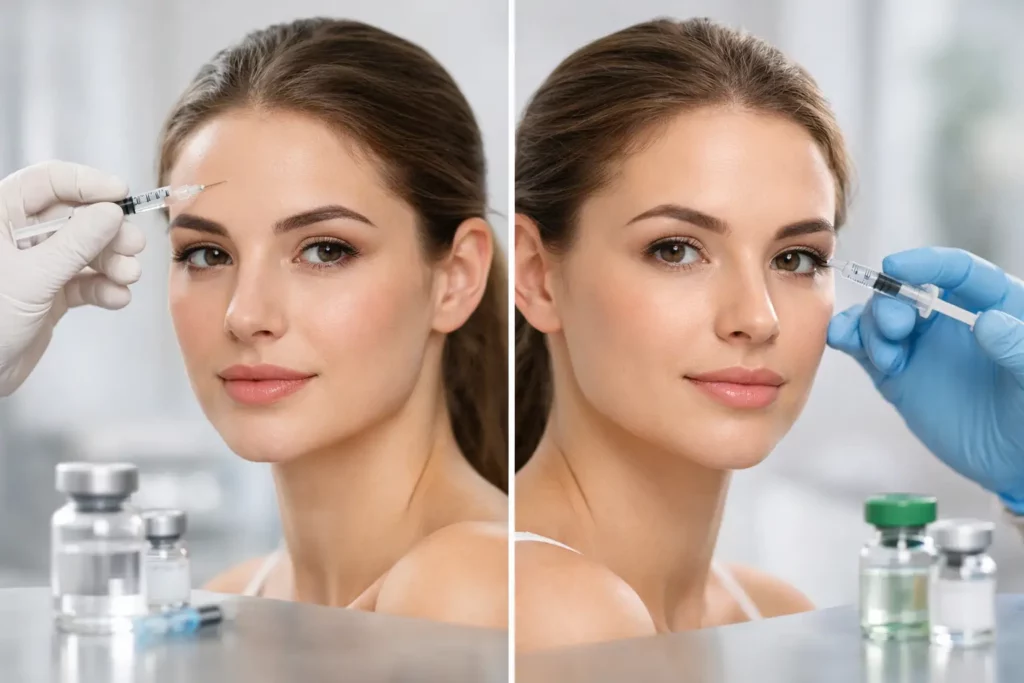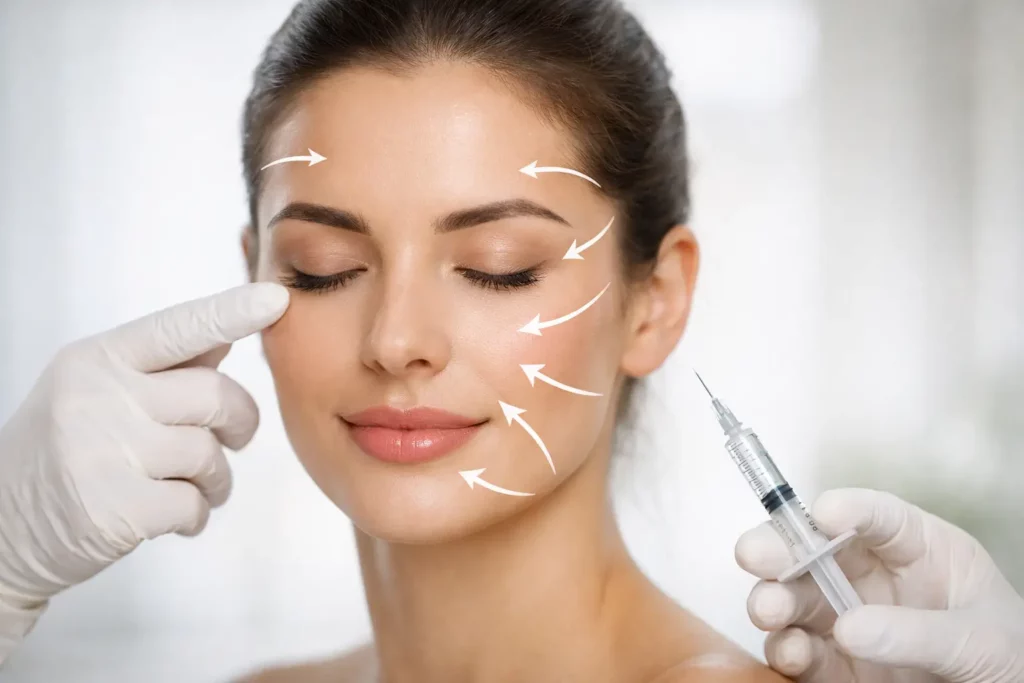
If your skin looks tired, uneven, or less smooth than it used to, the real question is not whether treatment can help. It is which treatment makes the most sense for your skin, goals, timeline, and budget. When patients ask about microneedling vs PRP facial, they are usually trying to choose between two options that both improve skin quality, but in very different ways.
For some, standard microneedling is exactly enough. For others, adding PRP can elevate results, especially when dullness, fine lines, acne scarring, or slower healing are part of the picture. The best choice is rarely about trends. It is about matching the treatment to the skin in front of you.
Microneedling vs PRP facial: the main difference
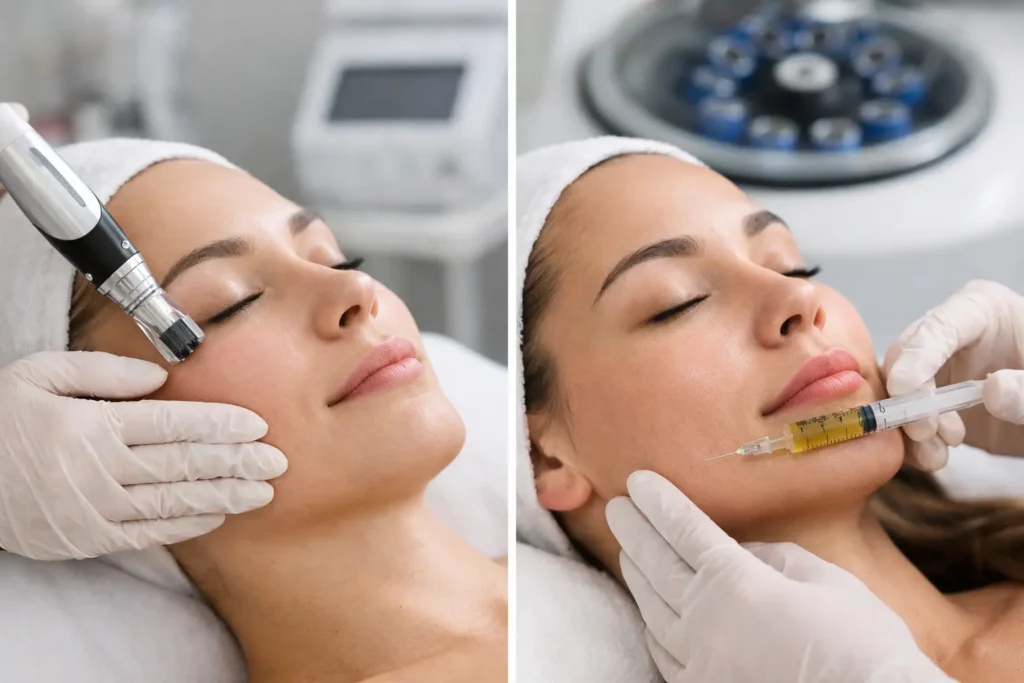
Microneedling uses a device with very fine needles to create controlled micro-injuries in the skin. That process stimulates the body’s natural healing response and encourages new collagen and elastin production. Over time, skin can appear smoother, firmer, and more refined.
A PRP facial builds on that foundation. PRP stands for platelet-rich plasma, which is prepared from a small sample of your own blood. After the blood is processed, the platelet-rich portion is applied to the skin during or after microneedling. Those growth factors are used to support repair and rejuvenation.
So, in practical terms, both treatments involve microneedling. The difference is whether you are relying on the collagen-stimulating effect of microneedling alone, or combining it with your own platelet-rich plasma for a more enhanced regenerative approach.
What microneedling does well
Microneedling is a strong option for patients who want overall skin refreshment without adding another step to treatment. It is often chosen for rough texture, enlarged pores, mild acne scars, early fine lines, and a general loss of radiance.
One reason it remains so popular is that it is versatile. It works for many skin types and can be incorporated into a long-term maintenance plan. It also tends to appeal to patients who want visible improvement with relatively manageable downtime.
Results are not instant in the way injectables can be. Collagen remodeling takes time. Many patients notice an early glow as the skin heals, but the more meaningful changes usually develop gradually over several weeks and may continue to improve after a series of treatments.
If your concerns are mild to moderate and your goal is healthier-looking skin rather than dramatic correction, microneedling alone may be all you need.
What a PRP facial adds
A PRP facial is often selected by patients who want more than texture refinement. Because PRP contains concentrated growth factors from your own blood, it can support healing and may help the skin look fresher, brighter, and more revitalized.
This option is especially appealing for patients with crepey skin, early signs of aging, post-acne texture, or skin that appears depleted. It can also be a good fit for people who prefer a treatment that uses the body’s own regenerative components rather than relying solely on a device-based approach.
The word “facial” can make it sound light, but clinically, this is still an advanced treatment. It is not a basic spa facial. It is a medical aesthetic procedure designed to stimulate repair beneath the surface while improving visible skin quality over time.
For the right patient, PRP can be the extra step that helps treatment feel more customized and more results-driven.
Microneedling vs PRP facial for specific concerns
If acne scarring is your main concern, either treatment may help, but the severity matters. Standard microneedling can improve shallow textural irregularities and soften the look of scars over time. A PRP facial may be recommended when the skin also needs more support with healing and rejuvenation.
If fine lines and early crepiness are more noticeable than scars, PRP often becomes more attractive. That is because many patients want not just smoother texture, but also a healthier, more rested quality to the skin.
If enlarged pores, mild roughness, and dullness are the primary issue, microneedling alone may be a smart and efficient choice. It addresses these concerns well without adding the cost of PRP.
If you are focused on brighter, more youthful-looking skin ahead of an event, timing matters. Neither option should be viewed as a same-week fix. You can see a nice post-treatment glow once healing settles, but the most meaningful improvement builds progressively.
Downtime and comfort
Both treatments usually involve some redness, sensitivity, and a sunburn-like feel for a few days. You may also see mild swelling or pinpoint marks depending on treatment depth and your skin’s response.
Microneedling alone generally comes with straightforward downtime. Most patients feel comfortable returning to normal activities quickly, as long as they follow aftercare closely.
With a PRP facial, downtime is often similar, but the experience can vary depending on treatment intensity and individual healing. Some patients feel that recovery is smoother. Others simply appreciate that the treatment is using their own plasma as part of the rejuvenation process.
Comfort during treatment is usually manageable with topical numbing. The bigger issue is not pain. It is whether you are comfortable with a blood draw, since PRP requires one. Some patients do not mind that at all. Others prefer to keep things simpler.
Cost and value
For many patients, this is where the decision becomes clearer. Microneedling is typically the more budget-friendly option because it does not involve the added step of drawing and processing blood.
A PRP facial generally costs more, but higher cost does not automatically mean better choice. The better value depends on your skin goals. If standard microneedling can get you where you want to go, paying more may not be necessary. If your skin would benefit from the added regenerative support of PRP, then the upgrade may feel worthwhile.
This is why a consultation matters. An honest provider should not push the more expensive treatment by default. The most appropriate recommendation should reflect your skin quality, concerns, treatment history, and expectations.
Who is a better candidate for each?
Microneedling alone is often ideal for patients who want collagen support, smoother texture, softer fine lines, and gradual improvement with a simpler treatment plan. It is also a good starting point for patients new to skin rejuvenation.
A PRP facial may be better for patients who want a more advanced treatment, have visible signs of skin fatigue or early aging, or are looking for a more comprehensive refresh. It can also appeal to patients who value a natural, regenerative approach because PRP comes from their own body.
There are also times when neither is the best first step. Active acne, certain skin infections, uncontrolled medical conditions, pregnancy considerations, or specific medications may affect candidacy. In some cases, another treatment or a medically guided skincare plan should come first.
That is why personalized evaluation matters so much. Good outcomes start with choosing the right treatment, not just a popular one.
Why treatment plans should be customized
Skin rejuvenation is rarely one-size-fits-all. Two people can both ask for help with “aging skin” and need completely different plans. One may need collagen stimulation for acne scars and pores. Another may need hydration support, pigment management, and a more regenerative strategy.
At DermAlign Medical Aesthetics, that customized approach is central to treatment planning. The goal is not to oversell. It is to look at your skin carefully, talk through your concerns, and recommend the option that aligns with both your goals and your comfort level.
That can mean starting with microneedling and building from there. It can mean choosing PRP because your skin would benefit from more intensive rejuvenation. It can also mean combining in-office treatments with prescription-grade skincare to support better long-term results.
What to ask at your consultation
If you are deciding between these two options, ask what problem the treatment is actually solving. Ask whether your main concern is texture, tone, scarring, early laxity, or dullness. Ask how many sessions are realistic, what downtime to expect, and what kind of result is likely for your age and skin condition.
You should also ask whether the provider believes microneedling alone is enough, or whether PRP is being recommended for a clear clinical reason. Transparent answers matter. So does feeling informed rather than pressured.
The best aesthetic decisions are rarely about choosing the fanciest treatment in the room. They are about choosing the treatment that fits your skin, your priorities, and your long-term plan for looking refreshed in a way that still feels like you.
If you are weighing microneedling vs PRP facial, think beyond the label and focus on the result you want to see in the mirror six to twelve weeks from now. That is usually where the right answer starts.