Skip to content

A lot of patients ask the same question before they ever ask about syringes, product type, or how long results last – do fillers hurt? It is a fair question, and the honest answer is that filler treatment can be uncomfortable, but it is usually very manageable. For most people, the sensation is more like pressure, pinching, or stinging in short bursts rather than intense pain.
Table of Contents
ToggleWhat filler feels like depends on the area being treated, your personal pain tolerance, the product being used, and the skill and technique of the injector. It also depends on how well the appointment is planned. When treatment is personalized and performed with precision, comfort tends to be much better than people expect.
Do fillers hurt more in certain areas?
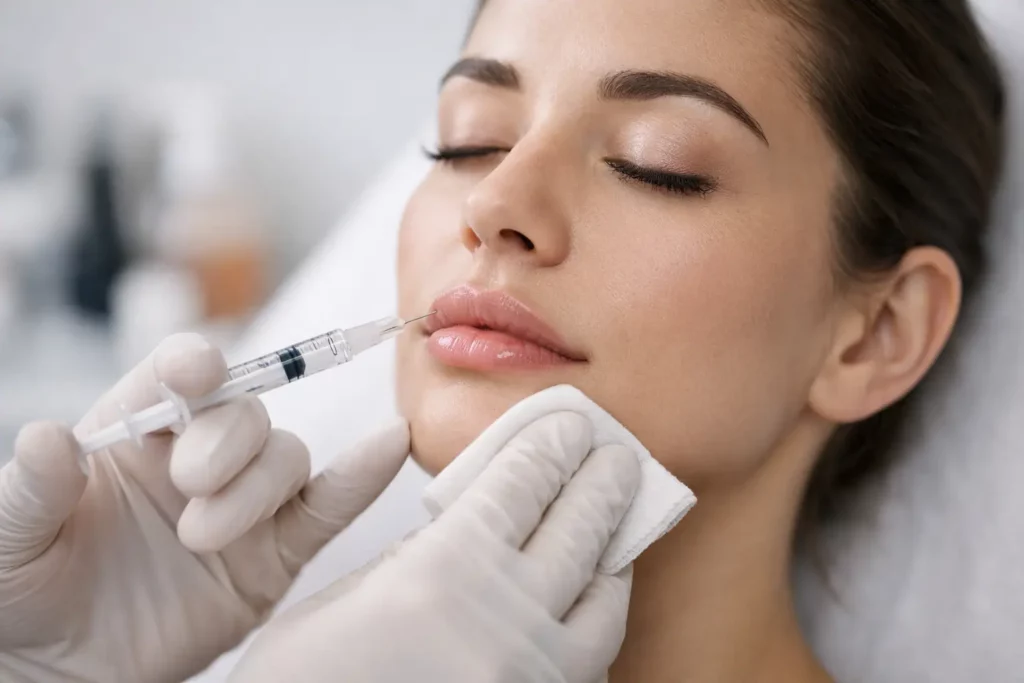
Yes – some areas are naturally more sensitive than others. Lips are usually the area patients worry about most, and for good reason. The lips have a high concentration of nerve endings, so lip filler often feels more intense than filler placed in the cheeks or jawline. Even then, the discomfort is typically brief and very tolerable with the right numbing approach.
Cheek filler often causes a feeling of pressure more than pain because the tissue is thicker and the area is less sensitive. Jawline filler can feel similar, with a sense of fullness or pushing during placement. Under-eye filler varies. Some patients describe it as odd or slightly uncomfortable rather than painful, while others are more aware of the treatment because the skin in that area is delicate.
Nasolabial folds and marionette lines usually fall somewhere in the middle. These treatments can create a quick stinging or pinching sensation, but it often passes within seconds. Chin filler may feel firm and pressurized because the area sits close to bone, yet many patients still find it easier than they expected.
What does filler actually feel like?
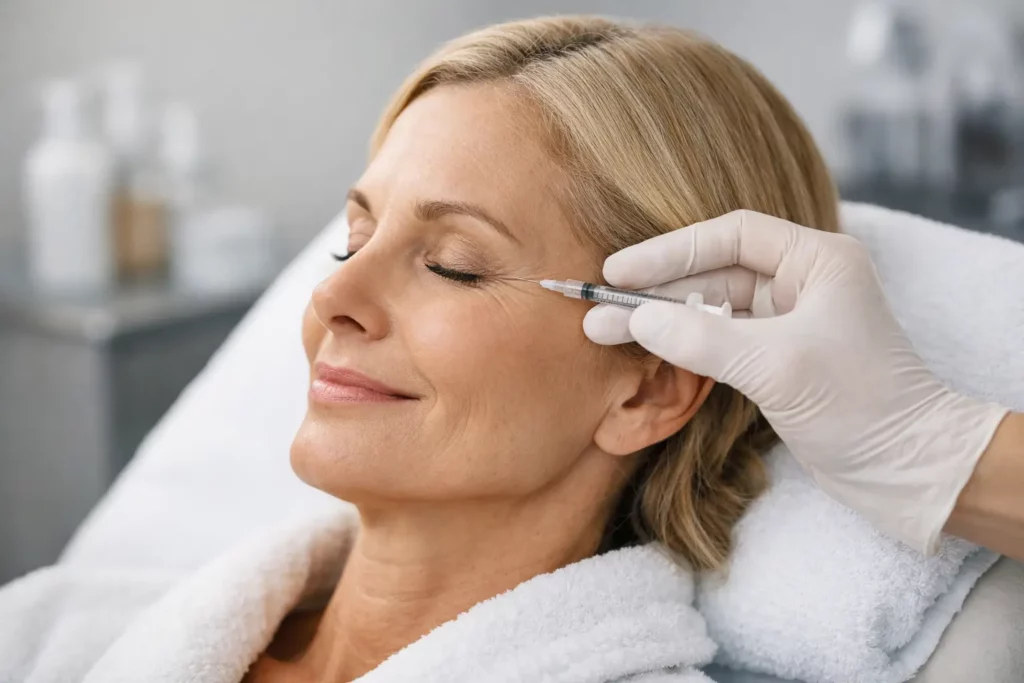
Most patients do not describe dermal filler as sharp, ongoing pain. They usually describe a series of short sensations during the appointment. You may feel a needle pinch at the entry point, pressure as product is placed, and occasional stinging depending on the area and product. Some fillers also contain lidocaine, which helps reduce discomfort as treatment continues.
If a cannula is used instead of multiple needle injections, the experience can feel different. There may be less repeated poking, but more movement or pressure under the skin. Some patients prefer that. Others are more comfortable with a traditional needle approach. It is not a one-size-fits-all decision, which is why a thorough consultation matters.
Anxiety can also change how treatment feels. If you come in tense, bracing for pain, even mild sensations can seem stronger. When patients know what to expect and feel comfortable with their provider, the experience is often much easier.
What helps make filler more comfortable?
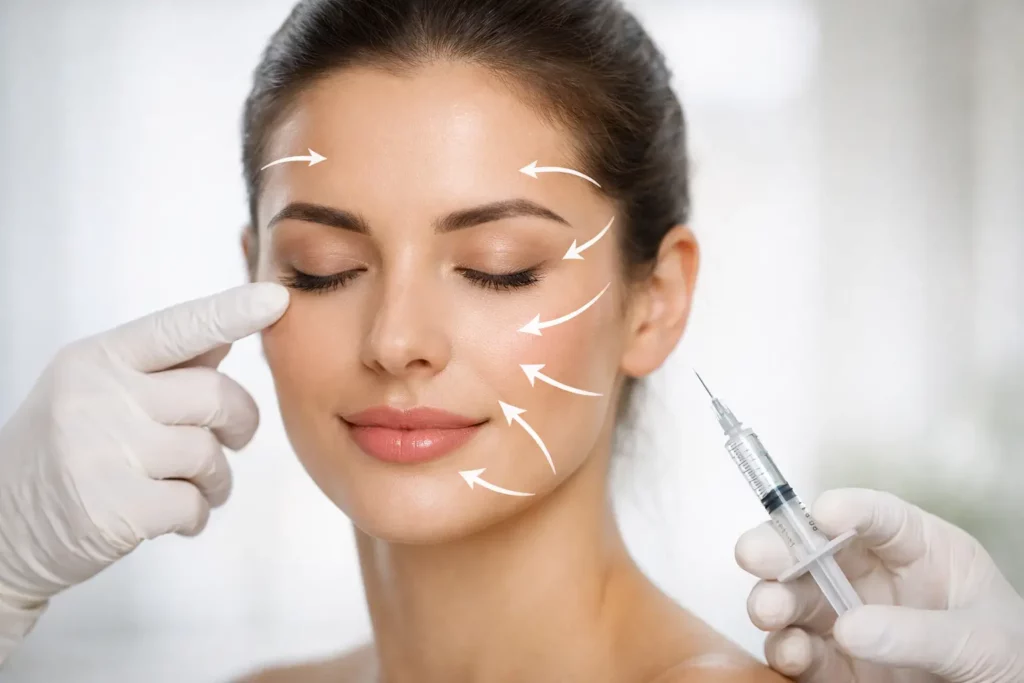
Comfort starts before the first injection. A careful injector will look at the treatment area, talk through the plan, and choose techniques that fit your anatomy rather than using the same approach for everyone. That matters for safety, results, and comfort.
Topical numbing cream is often used, especially for sensitive areas like the lips. Ice can help in some cases as well. Many hyaluronic acid fillers include lidocaine, which means the area often becomes more comfortable as the appointment goes on. Slow, precise placement also makes a difference. When injections are rushed, patients tend to feel more discomfort and more tissue trauma afterward.
Your own preparation can help too. Staying well hydrated, arriving with a calm mindset, and avoiding alcohol right before treatment may improve the overall experience. Some patients are more sensitive around their menstrual cycle, so timing can play a role as well.
Do fillers hurt afterward?
After treatment, most people do not describe ongoing pain. Soreness, tenderness, swelling, and mild bruising are more common than true pain. The treated area may feel firm, tight, or a little sensitive to touch for a few days. That is especially common with lip filler, chin filler, and jawline contouring.
Lips tend to swell more dramatically than many other areas, which can make them feel tight or tender for several days. Cheeks and jawline often feel mildly sore, especially if you press on them. Under-eye filler usually should not feel painful after treatment, though a little tenderness can happen.
What should raise concern is pain that feels severe, worsening, or out of proportion, especially if it comes with unusual skin color changes. That is not the typical post-treatment course and should be evaluated promptly by a qualified medical provider. This is one reason medical oversight and injector training matter so much in aesthetic medicine.
If you are worried about pain, should you skip filler?
Not necessarily. Pain fear keeps a lot of people from trying a treatment they may actually tolerate very well. In practice, many first-time patients finish their appointment saying some version of, “That was not nearly as bad as I thought.”
That said, being nervous is reasonable. Filler is an elective treatment, and you should feel fully informed before moving forward. A good consultation should include an honest conversation about comfort, downtime, swelling, bruising risk, and what the treatment can and cannot do for you. If someone minimizes your concerns or rushes you into treatment, that is a red flag.
For patients who are especially cautious, starting with a smaller treatment area can help build confidence. Sometimes trying cheek or chin filler before lip filler feels more approachable. The right starting point depends on your goals, anatomy, and comfort level.
What affects whether fillers hurt more for one person than another?
Pain tolerance is part of it, but it is not the whole story. Anatomy matters. Injection depth matters. Product choice matters. Technique matters a great deal. Even two people having the same treatment in the same area may have very different experiences.
Patients with thinner skin or more sensitivity in a treatment zone may notice more discomfort. People who bruise easily may feel more tenderness later. Those who have had filler before are often more relaxed because they know the sensations are brief and manageable.
The injector’s experience matters more than many people realize. A highly trained provider knows how to assess tissue planes, choose the right instrument, pace the treatment, and adjust in real time based on how the patient is feeling. That level of precision supports both comfort and natural-looking results.
How long does the discomfort last?
The injections themselves are quick. Depending on the area being treated, the actual placement may take only several minutes. If numbing is used first, the full visit is longer, but the most uncomfortable part is still usually short.
Afterward, tenderness often lasts anywhere from a day to several days. Lip filler may feel swollen and sensitive for close to a week. Cheeks, chin, and jawline often settle a bit faster, though everyone heals differently. Mild firmness can linger while the filler integrates into the tissue, but that does not usually mean pain.
If you have an event coming up, planning matters. You may not feel significant pain, but visible swelling or bruising can be more of an issue than discomfort. Patients often appreciate hearing that distinction ahead of time.
So, do fillers hurt enough to worry about?
For most patients, no. Fillers are not completely sensation-free, but they are usually far less painful than people imagine. The experience is typically quick, manageable, and well worth it for patients who want subtle volume restoration, contour, or facial balancing without surgery.
The bigger question is not just whether filler hurts. It is whether your treatment is being approached with the level of expertise, transparency, and individualized planning that helps you feel comfortable from the first conversation through follow-up care. At DermAlign Medical Aesthetics, that patient-first approach is part of what makes aesthetic care feel less intimidating and more empowering.
If you have been curious about filler but hesitant because of pain, the best next step is not guessing. It is having a one-on-one conversation, getting a personalized assessment, and understanding exactly what treatment would look and feel like for you. Confidence starts with clarity, and comfort usually does too.